May 19, 2026· By Ryan Solberg
Winter Park's Park Avenue: How a Historic Downtown Anchors Central Florida's Most Established Neighborhood
Winter Park is the oldest incorporated suburb in the Orlando metro — founded in 1881 as a winter retreat for wealthy industrialists from the North. What began as a collection...
Winter Park is the oldest incorporated suburb in the Orlando metro — founded in 1881 as a winter retreat for wealthy industrialists from the North. What began as a collection of Victorian estates evolved into Florida's first planned community. Today, Park Avenue — Winter Park's tree-lined downtown spine — is the most architecturally distinctive retail district in Central Florida and a primary driver of why Winter Park commands premium prices compared to newer suburbs.
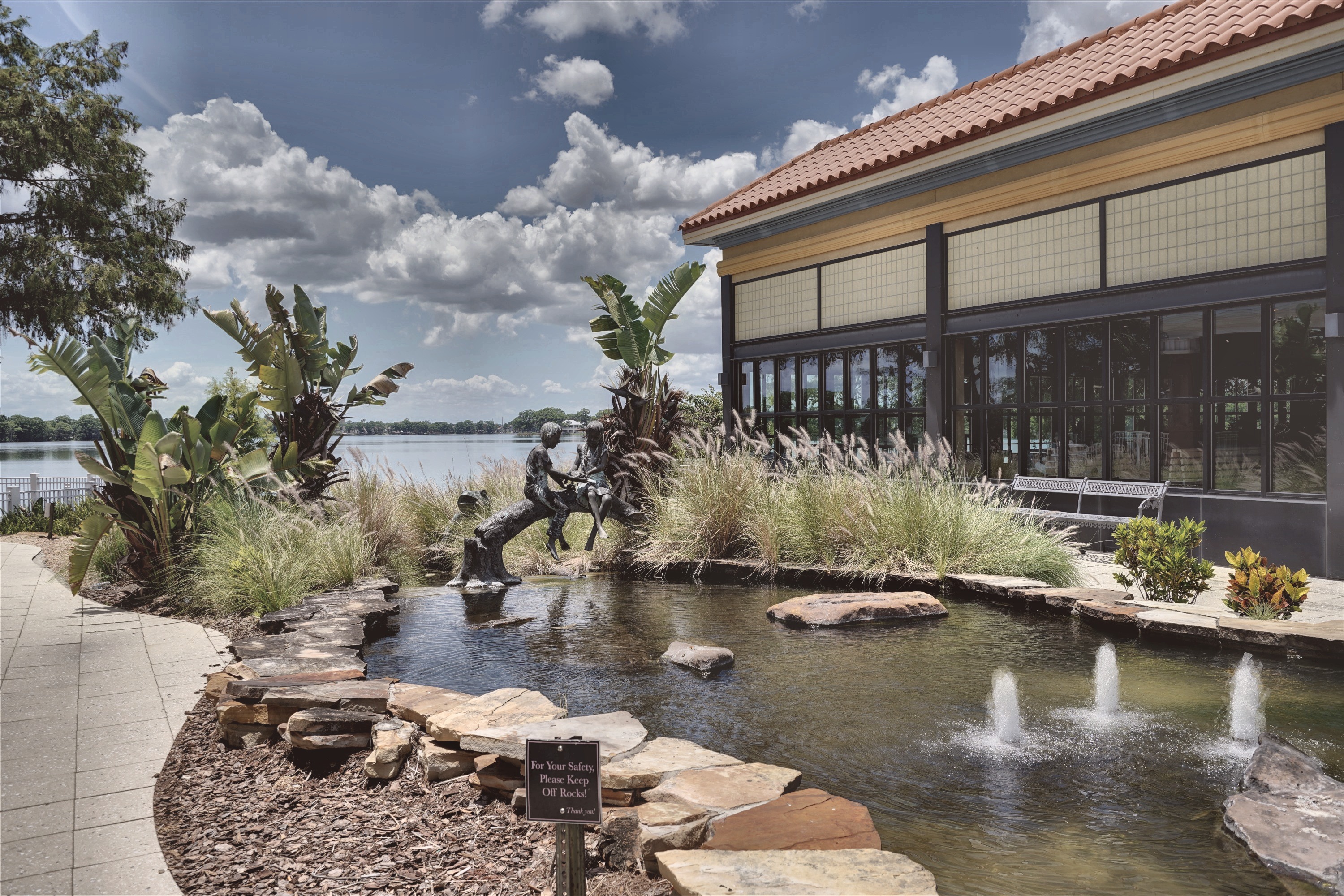 Mediterranean Revival homes define the Park Avenue core — walkable, distinctive, and architecturally curated.
The Historic Foundation
Winter Park was created intentionally. In 1881, Oliver Chapman and Loring Chase, wealthy Massachusetts investors, purchased land south of the Seminole County line and began platting a community explicitly designed for affluent northern families seeking winter estates. They hired landscape architect Frederick Law Olmsted (who also designed Central Park) to plan the community's green spaces. The result: a grid of tree-lined streets, public parks, and lakefront access that remains the template for Winter Park's identity today.
Park Avenue wasn't originally the commercial district — it was a residential avenue connecting estates. The retail evolution began in the 1920s and 1930s, as the automobile made downtown shopping nodes economically viable. By the 1960s and 1970s, Park Avenue had established itself as a destination for upscale independent retailers, art galleries, and fine dining — a positioning that has persisted and strengthened through decades of retail consolidation that devastated traditional downtowns.
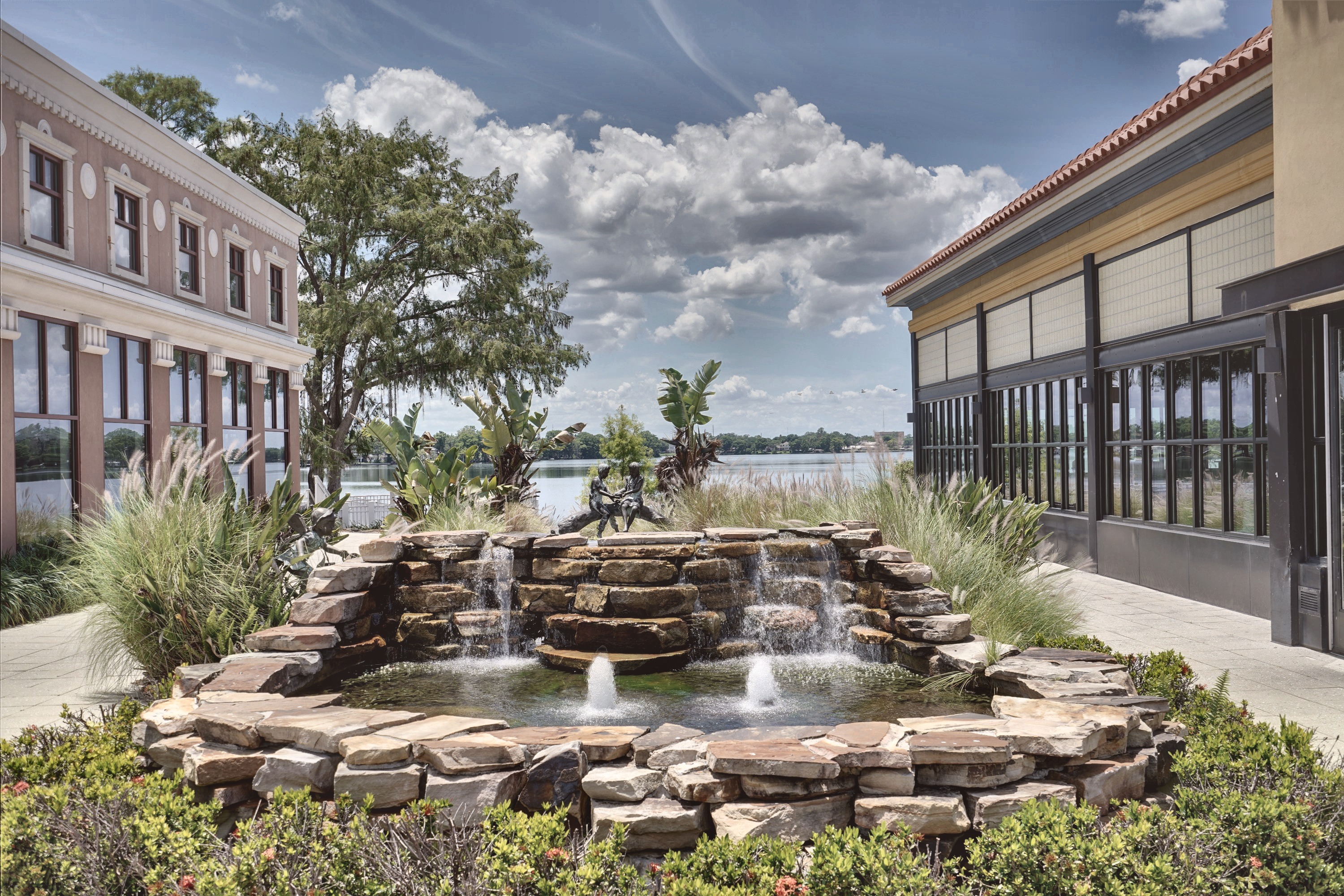 The red-brick streets of Olde Winter Park remain a defining feature — designed in an era when pedestrian experience mattered more than traffic throughput.
Why Park Avenue Survived When Others Didn't
Most American downtown retail districts declined after 1980 as mall culture and suburban big-box retail fragmented shopping. Park Avenue not only survived — it strengthened. Why?
Owner-operator culture. Unlike malls or big-box strips, Park Avenue's businesses are predominantly locally owned. A gallery owner, a fine dining chef, a boutique proprietor each have direct economic incentive to maintain their space, curate their offering, and differentiate through service and expertise. That ownership stake creates consistency and quality control that corporate chains can't replicate.
Walkability and density. Park Avenue is genuinely walkable — you can park once and browse multiple blocks of galleries, boutiques, restaurants, and cafes. That density of independently curated experiences is rare in suburban Central Florida, where retail is typically scattered across strip malls and big-box centers.
Demographic alignment. Winter Park's residential base has remained consistently affluent and education-focused (Rollins College anchors the town). That demographic prefers browsing independent retailers and fine dining to mall shopping. Park Avenue doesn't compete with big-box retail — it serves a different market entirely.
Institutional anchors. Cornell Fine Arts Museum, Morse Museum, Rollins College, the Winter Park Library (consistently ranked among Florida's best) and various galleries and performance spaces create reasons to visit beyond shopping. You go to Park Avenue for culture, not just commerce.
The Economic Halo Effect
For home buyers, Park Avenue's success matters because successful retail districts create neighborhood halo effects. Homes near vibrant, walkable downtowns command measurable premiums over comparable homes in neighborhoods without that asset.
In Winter Park, the effect is pronounced. A home three blocks from Park Avenue costs measurably more than an identical home six blocks away. That premium reflects:
- Lifestyle convenience. You can literally walk to dinner, galleries, coffee, shopping.
- Community identity. Neighborhoods are partly defined by their public spaces. Park Avenue creates a distinctive identity that no car-dependent suburb can replicate.
- Perceived stability. Successful retail districts signal that a neighborhood isn't declining. Buyers perceive Park Avenue's vitality as a signal of neighborhood durability.
The Comparison Dynamic: Versus Theme-Park Adjacent Suburbs
When comparing Winter Park to theme-park-adjacent suburbs like Dr. Phillips or Sand Lake Road, the distinction is instructive. Sand Lake Road is a dining destination that caters partly to visitors; Park Avenue is a lifestyle district that primarily serves locals. Sand Lake has exceptional restaurants but limited walkability; Park Avenue has density and walkability that encourage spontaneous exploration.
For buyers, this creates a choice: Do you want a home near destination restaurants (Sand Lake / Dr. Phillips), or do you want a home in a neighborhood with a genuine downtown that serves year-round local life? That preference often aligns with how long you plan to stay. Short-term buyers or investors might prefer the restaurant-destination model; long-term residents often prefer the downtown-neighborhood model.
The Authenticity Premium
There's something else happening on Park Avenue that's worth understanding: authenticity. In an era of mall culture and algorithmic retail (your Amazon recommendations based on your browsing history), Park Avenue's human-curated, locally-owned retail represents something scarce. That scarcity has value.
Younger buyers, in particular, increasingly seek neighborhoods with genuine downtown character over suburban convenience. Park Avenue represents that scarcity — it's one of the few places in Central Florida where you can walk a downtown avenue and encounter independent businesses rather than national chains.
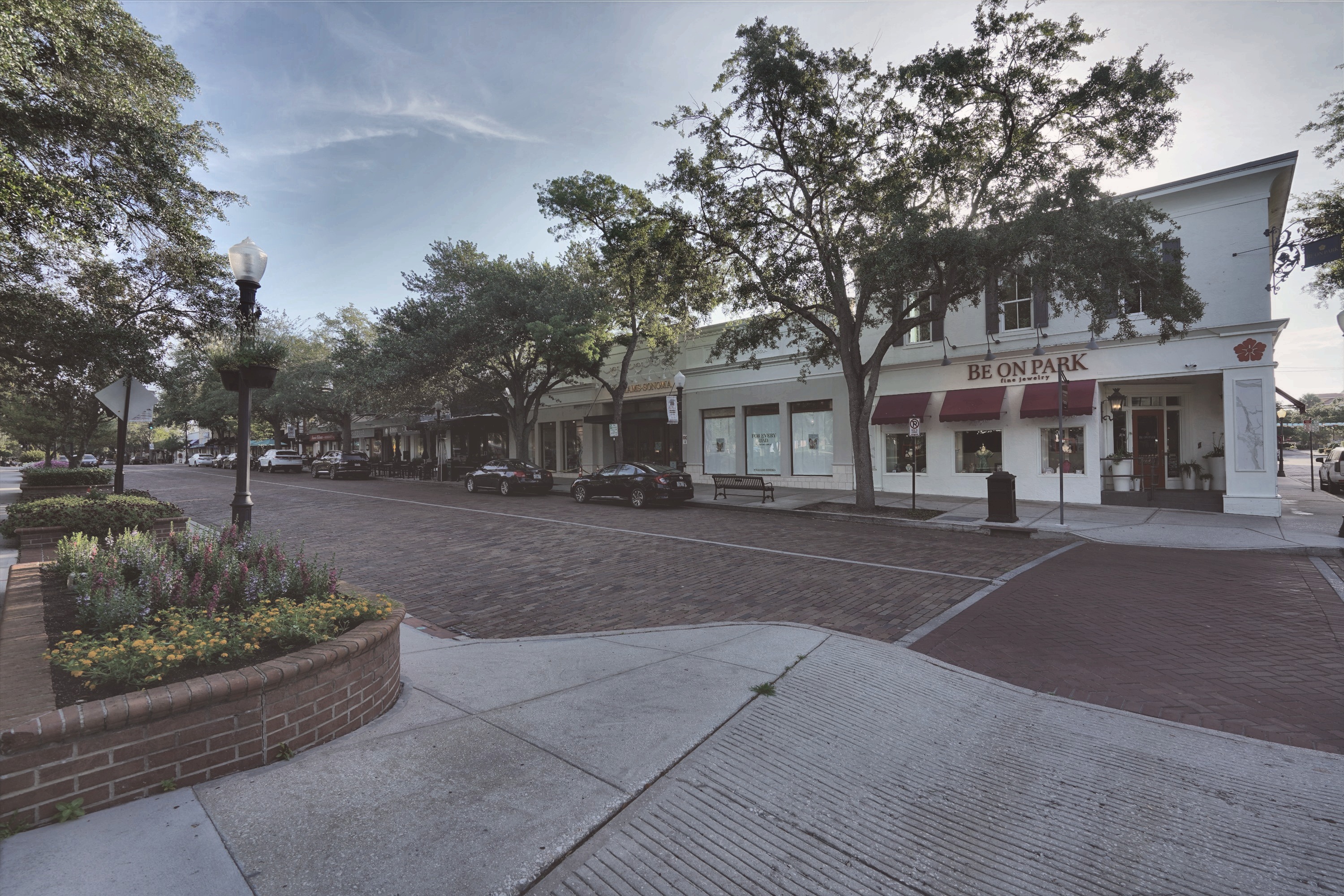 The pedestrian-scaled streets near Park Avenue create the neighborhood identity that drives buyer preference — you simply cannot replicate this in car-dependent suburbs.
That preference for authenticity translates to real estate demand. Winter Park attracts buyers willing to pay for density, walkability, and character — attributes that aren't measured in square footage or lot size but are deeply valued in purchase decisions.
The Winter Park Premium
Winter Park home prices run 15-25% higher than comparable homes in newer suburbs with equivalent schools and amenities. Part of that premium is historical — Rollins College, the architectural heritage, the demographic consistency. Part of it is Park Avenue.
For buyers, understanding that premium is important. You're not just paying for the house; you're paying for a neighborhood with a genuine downtown, a century of demographic stability, and the cultural and retail amenities that make that distinctive. Whether that premium is justified depends on your values and priorities.
For long-term residents who want walkability, cultural offerings, and a downtown that functions as genuine community gathering space — rather than a tourist or commuter destination — Winter Park's premium is often justified.
About the author: Ryan Solberg works with buyers relocating to Winter Park and other established Central Florida communities seeking downtown character and walkability.
The next step
Thinking about a move?
Whether you're two months out or two years out, the right information now saves real money later. Let's talk — no pressure, no pitch.