Buyer Services

Find the home worth staying in.

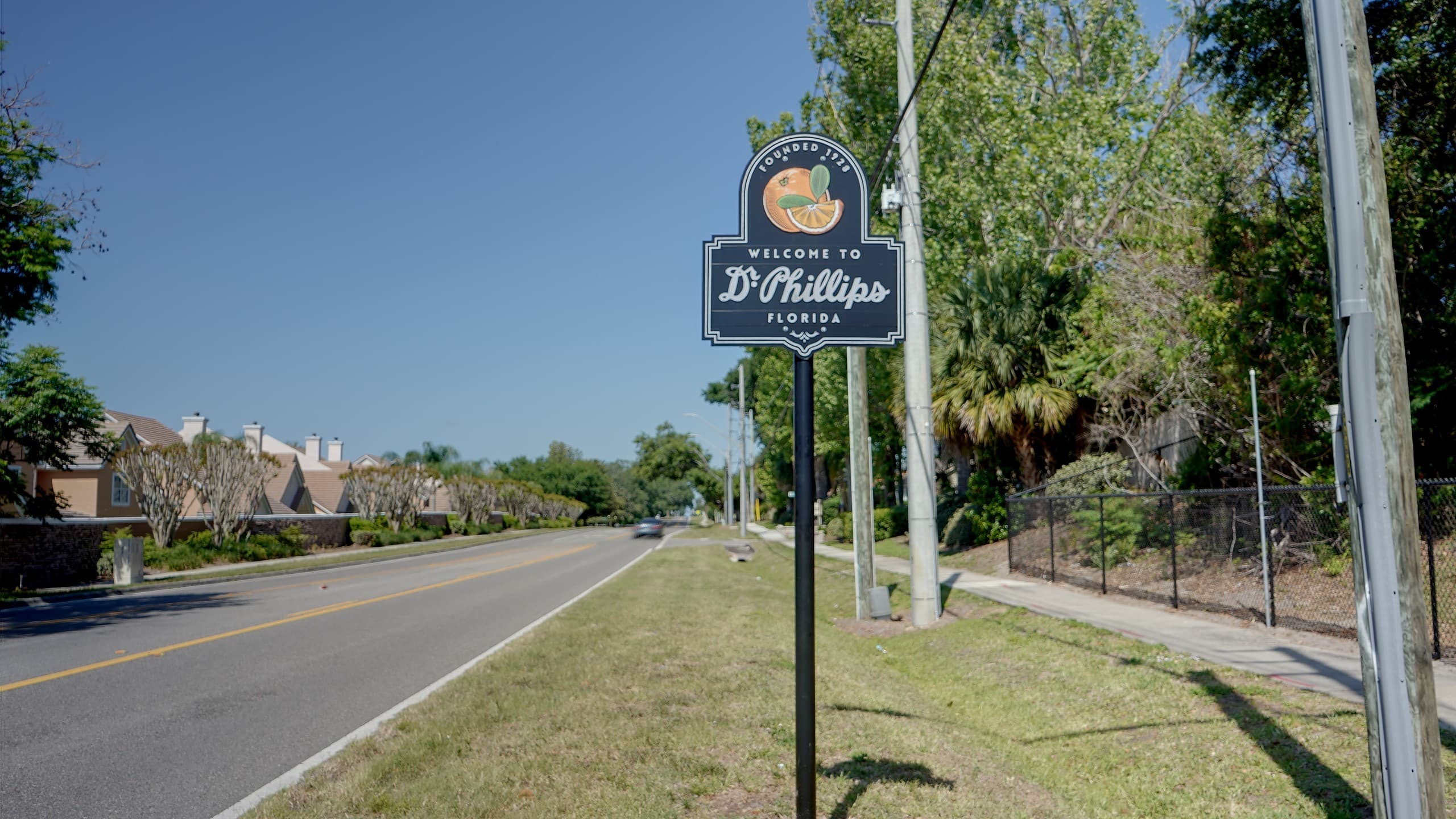
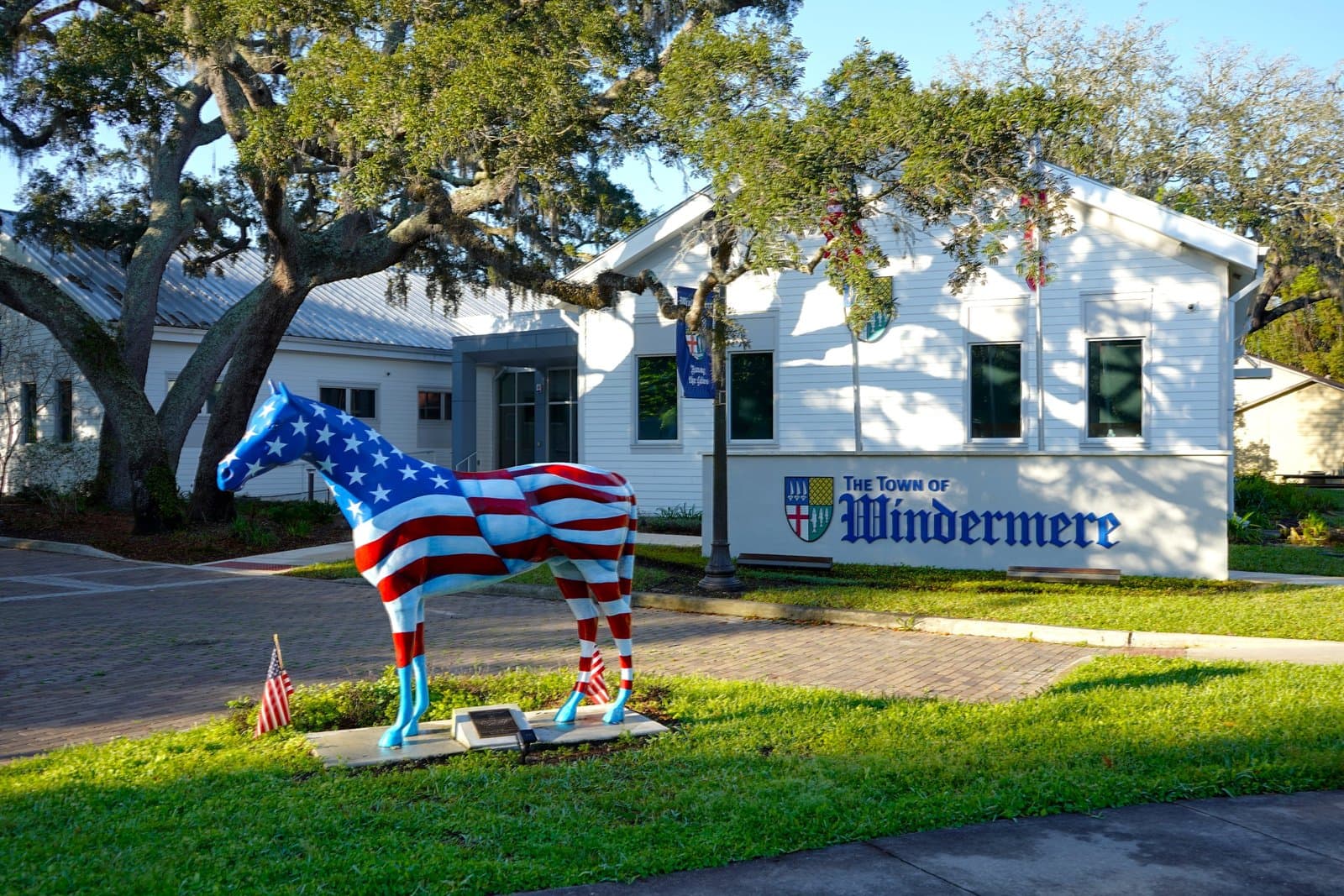
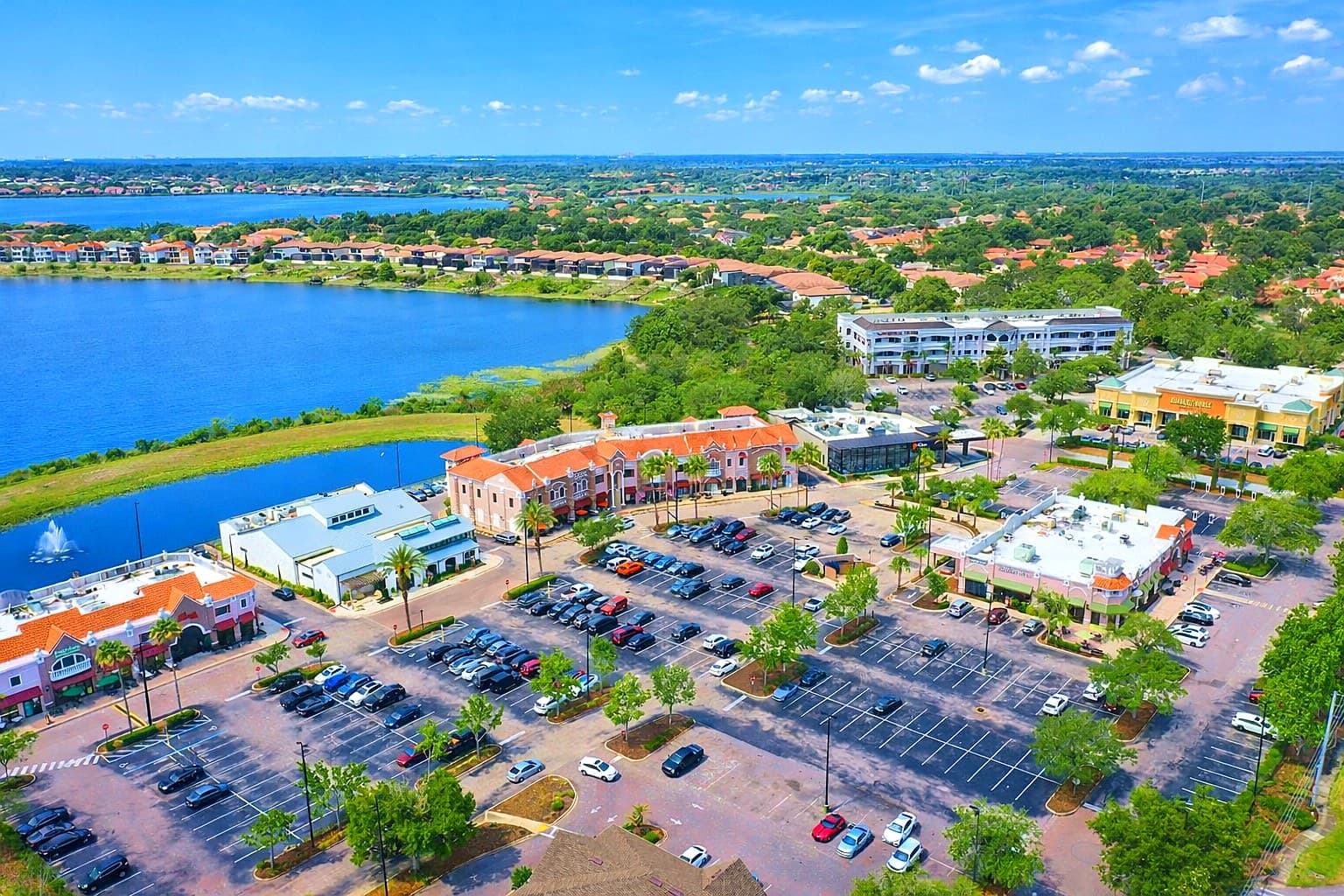
Boutique buyer representation for Dr. Phillips, Windermere, and the Orlando communities where great homes actually trade. One broker, every transaction — from first showing to the closing table.

How we help buyers

Boutique service, institutional discipline.

Off-market access

We hear about Bay Hill, Isleworth, and Keene's Pointe homes before they're listed. A lot of the best inventory in this market never hits the MLS — it trades through relationships.

Negotiation

Eleven years and $85M of closed transactions. We know what a Dr. Phillips or Windermere home should trade for, where concessions hide, and how to protect your number through inspection and appraisal.

Deep local knowledge

Schools, HOAs, flood zones, lake rules, boat-lift approvals, which streets hold value and which don't. Dr. Phillips and Windermere are small markets with big quirks — we know them.

Our buyer process

Four steps. One broker. Your transaction.

01

Discovery call

We start with a conversation — what you're looking for, where you are in the process, and what's actually realistic in today's market.

02

Search & curate

MLS, off-market, and pocket listings. We filter hard so you only see homes worth your time, and we walk the ones you want to walk.

03

Offer & negotiate

Price, terms, inspection credits, closing timeline — every lever gets considered. Our job is to win the home on the right terms, not just any terms.

04

Close & beyond

Lender coordination, title, inspections, contractors. And after closing, we stay the person you call when you need a roofer, a dock builder, or a comp on your block.

Buyer FAQ

The 50 questions every Orlando buyer actually asks.

Affordability, mortgages, neighborhoods, the closing process, Florida-specific costs — straight answers grounded in current Orlando market data. Tap any question to expand.

Buying in Orlando — Timing & Market

Is it a good time to buy a house in Orlando in 2026?

Yes, for buyers with a long-term horizon. The market has corrected from 2022's peak — prices are down roughly 7.5% — and inventory has rebuilt to about 4.1 months of supply, giving buyers leverage that didn't exist in 2021–2022. Sellers now expect to negotiate, and concessions of 2–3% (closing cost credits, rate buydowns) are standard. If you plan to own at least 5–7 years, Orlando's structural demand fundamentals make this a workable entry point.

Should I buy now or wait for Orlando home prices to drop further?

Waiting for a significant drop is a low-probability strategy. Population growth of 50,000–60,000 net new residents per year, mortgage rate lock-in suppressing resale supply, and limited new construction in the most desirable corridors are all supporting prices. Most forecasts call for flat-to-modest 2–4% annual appreciation through 2028, not a meaningful decline. Time in the market beats timing the market for most buyers.

Should I wait for mortgage rates to come down before buying?

There's a saying in real estate: marry the home, date the rate. If rates drop after you buy, you can refinance — typically for $2,500–$5,000 in costs. If you wait for rates to drop, you'll be competing with every other buyer doing the same, and home prices will likely rise as buyer demand surges. The right question is whether you can comfortably afford the payment at today's rate, not whether the rate is at a historic low.

Is Orlando in a buyer's market or seller's market in 2026?

Orlando is in a transitional market — closer to balanced than either extreme. At 4.1 months of supply, it's still under the 6-month threshold for a true buyer's market, but well above the sub-1-month frenzy of 2021–2022. Buyers have negotiating leverage, particularly above $750K. Sellers still command pricing power on well-prepared, accurately-priced homes in the $350K–$600K sweet spot.

What is the best time of year to buy a house in Orlando?

Late summer (July–August) and the December–January window typically favor buyers. Spring (Feb–May) has the most inventory but also the most competition, so deals are harder to negotiate. December buyers face less competition because most families with school-age kids aren't shopping. Snowbird-driven buyer demand peaks October–March, which can support seller pricing on premium properties — making summer a relative buyer's window.

Will Orlando home prices keep going up?

Yes, but slowly. The forecast consensus is 2–4% annual appreciation through 2028 — well below the 12–15% annual gains of 2021–2022, but well above the flat-or-declining trajectory some buyers are hoping for. The strongest appreciation is expected in supply-constrained luxury corridors (Windermere lakefront, Winter Park, Baldwin Park) and in Lake Nona where new employment continues to drive demand.

How long does it take to find and buy a home in Orlando?

Plan on 3–6 months from first showing to closing day. The active search typically takes 4–10 weeks depending on inventory and how specific your criteria are. Once under contract, financed purchases close in 30–45 days; cash deals close in 14–21. Buyers with very specific criteria (lakefront, specific school zone, must have a pool) often take longer simply because qualifying inventory is thinner.

Affordability & Mortgages

How much income do I need to buy a $500,000 home in Orlando?

Roughly $130,000–$160,000 in gross household income, depending on down payment, debts, insurance, and rate. The math: at 7% with 20% down, principal and interest is about $2,660/month. Add Florida taxes (~$5,000/year) and homeowner's insurance (~$4,500/year for a typical home), and total PITI lands near $3,450/month. The 28/36 rule suggests housing under 28% of gross income, which works out to ~$148,000 minimum.

What is the 28/36 rule for buying a home?

The 28/36 rule is a guideline lenders use to assess affordability. Your housing payment (PITI: principal, interest, taxes, insurance) should be no more than 28% of your gross monthly income, and total debt payments (including car loans, student loans, credit cards) should be no more than 36%. Lenders may approve higher ratios — up to 45–50% in some cases — but exceeding the rule materially increases financial stress.

How much should I put down on a house in Orlando?

Conventional mortgages allow as little as 3% down (5% is more common). FHA loans require 3.5% down. VA loans allow 0% down for eligible veterans. Putting down 20% avoids private mortgage insurance (PMI). On a $500,000 home, 20% down is $100,000 — substantial savings for many buyers. The right answer depends on your reserves, opportunity cost of the cash, and timeline.

Should I get pre-approved before searching for a home in Orlando?

Yes, before you even tour homes. Most listing agents won't let you make an offer without it, and many won't show homes above a certain price without pre-approval on file. Pre-approval also tells you exactly what you can afford, which prevents falling for homes outside your budget. Pre-approval typically takes 1–3 business days through a lender or broker.

What is the difference between pre-qualified and pre-approved?

Pre-qualified is a soft estimate based on self-reported information — it carries little weight in negotiations. Pre-approved means the lender has verified your income, assets, credit, and debts and committed in writing to lend up to a specific amount, subject to property appraisal and final underwriting. In a competitive Orlando market, only pre-approval makes you a credible buyer.

What credit score do I need to buy a house in Orlando?

Conventional loans typically require a 620 minimum, but rates improve dramatically above 740. FHA loans go down to 580 (3.5% down) or 500 (10% down). VA loans technically have no minimum, but most lenders set internal minimums around 580–620. Above 760, you'll see the lowest available rates. Below 700, expect to pay 0.5–1% more in rate or higher PMI premiums.

What is PMI and how do I avoid it?

Private mortgage insurance protects the lender if you default and is required when you put less than 20% down on a conventional loan. PMI typically runs 0.3–1.5% of the loan amount annually — often $100–$300/month on a typical Orlando home. Avoid it by putting 20% down, choosing a VA loan if eligible, or using a piggyback (80/10/10) loan structure. PMI on conventional loans drops off automatically at 78% LTV.

What's the difference between FHA, VA, and conventional loans?

Conventional loans require stronger credit (620+) and larger down payments (3–20%) but have more flexible property and occupancy rules. FHA loans allow lower credit scores and 3.5% down but require mortgage insurance for the life of the loan in most cases. VA loans, available to qualifying veterans and active-duty military, allow 0% down with no PMI — the most generous structure if you qualify. Each has property condition and inspection requirements that can affect older or fixer-upper Orlando homes.

Choosing a Neighborhood

What's the best neighborhood in Orlando for families?

Top family neighborhoods include Dr. Phillips (top-rated schools, Restaurant Row, gated subcommunities), Windermere (top schools, larger lots, lake access), Winter Park's 32789 zip (Winter Park IB program, walkable Park Avenue), Baldwin Park (walkable elementary, urban-village feel), and Lake Nona (newer construction, master-planned amenities, Medical City employer base). The right answer depends on commute, school priority, lifestyle, and budget.

What are the best Orlando neighborhoods for luxury homes over $1 million?

Windermere and the Butler Chain of Lakes corridor for waterfront and estate homes ($1M–$10M+). Isleworth for ultra-private gated luxury and golf ($1.5M–$15M+). Bay Hill in Dr. Phillips for golf-community luxury ($800K–$3M). Winter Park's lakefront for character-rich estate homes ($1.5M–$8M). Lake Nona Golf & Country Club and Golden Oak (Disney) for newer luxury construction with amenity access.

How do I research Orlando school zones before buying?

Verify the specific address — not the neighborhood — at the Orange County Public Schools website (ocps.net). One street can change zone assignments. Winter Park has its own city school district (32789 zip) separate from OCPS. Charter and magnet schools have different boundaries. Don't rely on Zillow's school data; it's frequently outdated. A buyer's agent should verify zoning before you write an offer.

What's the commute like from Windermere or Dr. Phillips to downtown Orlando?

Roughly 25–35 minutes each way to downtown via I-4, longer in peak traffic (6:45–8:30 AM and 4:30–6:30 PM weekdays). The Sand Lake Road corridor through Dr. Phillips can add 10–15 minutes during dinner-hour rush. Winter Garden Village exit congestion has worsened since 2023. Many buyers underestimate this; test-drive the actual commute at the time you'd actually drive it before committing.

Where should I buy if I work at Lake Nona Medical City?

Lake Nona itself (Laureate Park, Ravenna, Eagle Creek) puts you 5–15 minutes from Medical City employers. Other strong options: Lee Vista and Hunters Creek (15–20 minutes), Avalon Park (20 minutes), and Narcoossee corridor in southeast Orlando. Skip Dr. Phillips/Windermere unless you genuinely love the area — the 35–45 minute commute compounds over years.

Is Dr. Phillips or Windermere better for a luxury buyer?

Dr. Phillips offers more inventory, better Restaurant Row proximity, and broader resale liquidity — better for buyers who may sell within 5–7 years. Windermere offers larger lots, Butler Chain lake access, and prestige scarcity that holds value better long-term — but with longer eventual sale timelines and a thinner buyer pool. Dr. Phillips is more buyer-friendly today; Windermere is more equity-friendly over a decade-plus hold.

How safe are Orlando's luxury neighborhoods?

Luxury enclaves like Isleworth, Keene's Pointe, Bay Hill, Lake Nona Golf & Country Club, and Golden Oak are guard-gated with 24/7 staffing and have very low crime rates. Non-gated luxury areas (much of Dr. Phillips, Windermere proper, Winter Park) rely on local police and have low crime by metro standards. Orlando overall has higher property crime than the U.S. average but the affluent corridors track far below the metro mean.

The Buying Process

What are the steps to buy a house in Florida?

Get pre-approved, hire a buyer's agent, define your criteria, tour homes, write an offer, go under contract, deposit earnest money into escrow, complete the inspection period (10–15 days), order the appraisal, finalize loan underwriting, walk through the home before closing, sign at closing, and receive keys. Total timeline from pre-approval to keys is typically 60–90 days for financed buyers, 30–45 days for cash.

Do I need a buyer's agent and is it free for me?

Yes, you need representation. As of August 2024 (post-NAR settlement), buyer-agent compensation is negotiated separately and is no longer assumed in MLS listings. In practice, most Orlando sellers still offer to compensate the buyer's agent, but you should sign a written buyer-broker agreement specifying who pays your agent and how much. Going unrepresented means the listing agent represents only the seller's interests.

What is a buyer representation agreement?

It's a written contract between you and your real estate agent that defines the agent's duties, the agent's compensation, the term of the agreement, and the geographic and price scope. Required by law in many states post-NAR settlement. Most buyer-broker agreements run 30–90 days and can be extended. Always read what you're signing — duration, exclusivity, and compensation terms vary widely.

How long does it take to close on a house in Florida?

Cash transactions typically close in 14–21 days. Financed transactions (conventional, FHA, VA) close in 30–45 days. Closings can extend if appraisals come in low, inspections reveal major issues, title problems arise, or the lender's underwriting is slow. Florida is unusual in that real estate attorneys often handle closings rather than escrow officers.

What happens at a Florida closing?

Buyer and seller (or their representatives) sign final documents at the closing attorney's or title company's office. The buyer brings a wire transfer for the cash to close, signs the mortgage and note, signs the deed (seller signs to transfer title), and receives keys. Florida closings can be done remotely with a mobile notary or remote online notarization in many cases. The whole appointment typically runs 60–90 minutes.

What documents do I need to buy a house in Florida?

For pre-approval: 2 years of tax returns and W-2s, 30 days of pay stubs, 2 months of bank statements, photo ID, and a list of debts. At closing: government-issued ID, proof of homeowner's insurance binder, certified funds or wire confirmation for closing costs, and any documents the lender requested as conditions of final approval. Self-employed and 1099 buyers need additional documentation.

Inspections & Due Diligence

Do I need a home inspection in Florida?

Yes, almost always. Even on cash and as-is purchases, an inspection reveals issues that affect your decision and your post-closing cost expectations. Florida-specific concerns: roof age and condition (huge insurance impact), HVAC age and refrigerant type (R-22 phase-out), plumbing material (cast iron and polybutylene have known failure issues), and any water damage or mold. A standard Florida inspection runs $350–$600.

What does a Florida home inspection cover?

Roof, structure, electrical, plumbing, HVAC, water heater, appliances, attic, crawl spaces, doors and windows, drainage, and visible signs of moisture or pest damage. Standard inspections do NOT include: pool deep-dive, septic system pumping inspection, mold air quality testing, lead paint testing (for pre-1978 homes), or radon (less common in Florida). Specialized inspections cost extra.

What is a 4-point inspection in Florida?

A 4-point inspection examines four specific systems: roof, electrical, plumbing, and HVAC. It is required by most Florida insurance carriers for homes over 25–40 years old. The 4-point determines insurability — if any of the four systems fail, you may not be able to get standard homeowner's insurance. Plan to order it once you're under contract; it's separate from a general home inspection and runs $75–$150.

What is a wind mitigation inspection?

A wind mitigation inspection documents your home's hurricane-resistant features (roof shape, roof attachment, secondary water resistance, opening protection). Insurance carriers offer significant premium discounts — often 20–45% — for homes with strong wind mitigation. The inspection costs $75–$150 and almost always pays for itself in the first year of policy savings.

Should I get a survey when buying a house in Florida?

Yes, especially for waterfront, lakefront, or estate properties where boundary lines, easements, and setbacks matter. A new survey runs $400–$800. Some lenders require it; some don't. Sellers may have a recent survey you can use, but if it's older than 5 years or there have been changes (fences, sheds, pools), order a new one. It's the only way to confirm what you're actually buying.

Offers & Negotiation

How do I write a competitive offer on an Orlando home?

Strong offers include: pre-approval letter (or proof of funds for cash), a competitive price grounded in comps, reasonable earnest money (1–3% of price), a tight inspection period (7–10 days instead of 15), a quick closing date (30 days for financed, 14 for cash), few or no seller concessions requested, and an as-is clause when the home and inspection support it. Personal letters used to help; they're now discouraged due to fair-housing concerns.

What's a typical earnest money deposit in Florida?

Standard earnest money is 1–3% of the purchase price. On a $500,000 home, that's $5,000–$15,000. Higher EMD signals serious commitment to the seller. The deposit is held in escrow by a neutral third party (title company or attorney) and is applied to your closing costs at closing. If you back out for a reason not covered by a contingency, you lose it.

Should I write an as-is offer when buying in Florida?

Florida's standard as-is contract gives the buyer the right to inspect and terminate within the inspection period without negotiation — you can walk for any reason and recover your deposit. As-is doesn't mean you accept the home in any condition; it means you'll accept it or walk, but you won't request repairs. This works for buyers who can self-fund post-close repairs and want to compete on terms in a multi-offer situation.

Can I negotiate after the home inspection in Florida?

On a non-as-is contract, yes — you can request repairs, credits, or a price reduction based on inspection findings. On an as-is contract, you cannot demand repairs, but you can renegotiate or terminate if findings are unacceptable. In practice, even as-is sellers will often agree to fix major safety or structural issues to keep the deal alive. Lean on data and licensed-contractor estimates rather than emotional reactions.

What is an escalation clause in a real estate offer?

An escalation clause automatically increases your offer by a set amount above the highest competing offer, up to a stated cap. Example: 'Offer at $500K, escalates by $5K above any verified competing offer up to $530K.' It can win bidding wars without requiring you to commit to your maximum upfront. Some sellers and listing agents dislike them and require best-and-final offers instead.

Should I waive contingencies to win a bidding war?

Carefully. Waiving the inspection contingency is the highest-risk move — you're committing to buy regardless of what's wrong with the home. Waiving the appraisal contingency means you'll cover any shortfall in cash. Waiving the financing contingency means you risk your earnest money if your loan falls through. In 2026's more balanced market, you rarely need to waive contingencies to win. Don't follow 2022 playbooks into 2026 markets.

Florida-Specific Considerations

How much is homeowner's insurance in Orlando, Florida?

Florida insurance has risen 40–60% since 2020. Typical Orlando-area homeowner's insurance runs $3,500–$8,000 annually for a single-family home valued $400K–$800K. Older homes (especially with older roofs), homes in flood-prone areas, and homes with pools tend toward the higher end. Newer construction with hurricane mitigation features can run substantially less. Get a quote before you write an offer — premiums affect your total monthly payment.

Do I need windstorm insurance in Orlando?

Wind coverage is included in most standard Florida homeowner's policies, but in some counties (especially coastal) it's a separate policy through Citizens Property Insurance or a specialty carrier. In Orange County, wind coverage is typically bundled. Always confirm what's covered: named storm vs. all-perils, deductible structure (often 2–5% of dwelling coverage on hurricane claims), and exclusions.

What about flood insurance — do I need it in Orlando?

Required only if your home is in a FEMA Special Flood Hazard Area (Zone A or V). Most Orlando neighborhoods are in Zone X (low risk) and don't require it. Lakefront properties often DO require flood insurance even at significant elevation. Even in low-risk zones, optional flood coverage runs $300–$700/year and is worth considering — standard homeowner's insurance excludes flood damage entirely.

How do hurricanes affect home buying in Orlando?

Orlando is inland — hurricanes weaken substantially before reaching the metro. Direct hurricane damage is rare; tropical storm wind and inland flooding from heavy rain are more common. Buy with these in mind: roof age (insurance underwriting), wind mitigation features, mature tree proximity to the home, drainage and stormwater management, and generator readiness. Hurricane events typically cause minor damage to most metro-Orlando homes, not catastrophic loss.

What are HOA fees and CDD fees and how do they differ?

HOA fees fund neighborhood amenities and operations (gates, pool, landscaping, security). They're paid to the association directly — typically $100–$1,000+/month depending on community. CDD fees fund roads, utilities, and infrastructure in master-planned communities (Lake Nona, Horizon West, Celebration). They appear on your property tax bill and run $1,500–$4,500/year, declining over 20–30 years as bonds are paid off. Both can apply to the same home.

What property taxes can I expect on an Orlando home?

Florida's effective property tax rate runs 0.85–1.1% of assessed value. On a $500,000 home, expect $4,500–$5,500/year. Homestead exemption — available if the home is your primary residence — knocks $50,000 off assessed value and caps annual increases at 3% (Save Our Homes). Non-homesteaded properties (second homes, investments) have higher effective rates and no cap. File for homestead by March 1 of the year after purchase.

Closing Costs & Buyer-Side Fees

How much are closing costs for buyers in Florida?

Buyer closing costs typically run 2–4% of the purchase price. On a $500,000 home, expect $10,000–$20,000. Major components: lender fees (origination, underwriting, appraisal — $1,500–$3,500), title insurance lender's policy ($1,000–$2,500), prepaid taxes and insurance escrow ($3,000–$8,000), recording fees and intangible tax ($500–$1,500), and any HOA transfer fees. Cash buyers skip lender fees and save 50–60% of these costs.

What is title insurance and do I need it?

Title insurance protects you against title defects: undiscovered liens, ownership disputes, fraud, errors in public records. Florida has two policies — a lender's policy (required by your lender) and an owner's policy (optional but strongly recommended). Florida title insurance is one-time at closing, regulated and promulgated. On a $500K home the owner's policy runs around $2,500. Skip it only if you fully understand the risk.

Can I roll closing costs into my mortgage?

Sometimes. Some loan programs allow lender credits in exchange for a slightly higher rate, effectively financing closing costs into the loan. Seller concessions (often 2–3% of price in Orlando's current market) can also be applied to your closing costs. You typically can't simply add closing costs to the loan amount on a purchase, but lender credits and seller concessions accomplish the same thing.

Who pays which closing costs in Florida?

Sellers typically pay: agent commissions, documentary stamp tax on the deed (0.7%), owner's title insurance policy in many counties (custom varies), HOA estoppel fees, prorated property taxes through closing day. Buyers typically pay: lender fees, lender's title insurance policy, recording fees, intangible tax on the mortgage, prepaid taxes and insurance, and prorated taxes from closing forward. Negotiable — the contract specifies who pays what.

What is escrow and what does an escrow account cover?

Two distinct meanings. Pre-closing: escrow refers to the neutral third party (title company or attorney) holding earnest money and closing funds. Post-closing: an escrow account is part of your monthly mortgage payment that collects taxes and insurance, paid out by the lender when due. Required on most loans with less than 20% down. Self-funded escrow (paying taxes and insurance yourself) is sometimes available with strong credit and 20%+ equity.

Still have questions?

Talk to Ryan directly. No pressure, no pitch.

Wow, what an amazing experience. Ryan was able to help me find the best home in Windermere. He is very knowledgeable and very resourceful. He helped me close a very big deal.

Verified Zillow review · Windermere buyer

My husband and I recently bought our first home and used Ryan Solberg as our realtor. We were nervous to begin the process — Ryan was absolutely outstanding. We could not have had a smoother home buying process.

Verified Zillow review · First-time buyers

Ryan was amazing. Extremely knowledgeable and doesn't want to waste time. Process was very smooth and he always answered all of my calls and questions immediately.

Deanna Salman · Verified Zillow review

5.0★ on Zillow · 42 verified reviews

Wow, what an amazing experience. Ryan was able to help me find the best home in Windermere. He is very knowledgeable and very resourceful. He helped me close a very big deal. Very passionate and loyal.

— Windermere homebuyer

Live the MaxLife.

Thinking about buying?

Start with a 20-minute call. No pressure, no pitch — just a conversation about what you're looking for and whether the market has it right now.