Brevard County · Indian River · Historic District
Historic Cocoa Village
Brevard County's most walkable riverfront district — Victorian bungalows, craftsman homes, Indian River charm, boutique shops, galleries, and a thriving arts and dining renaissance.
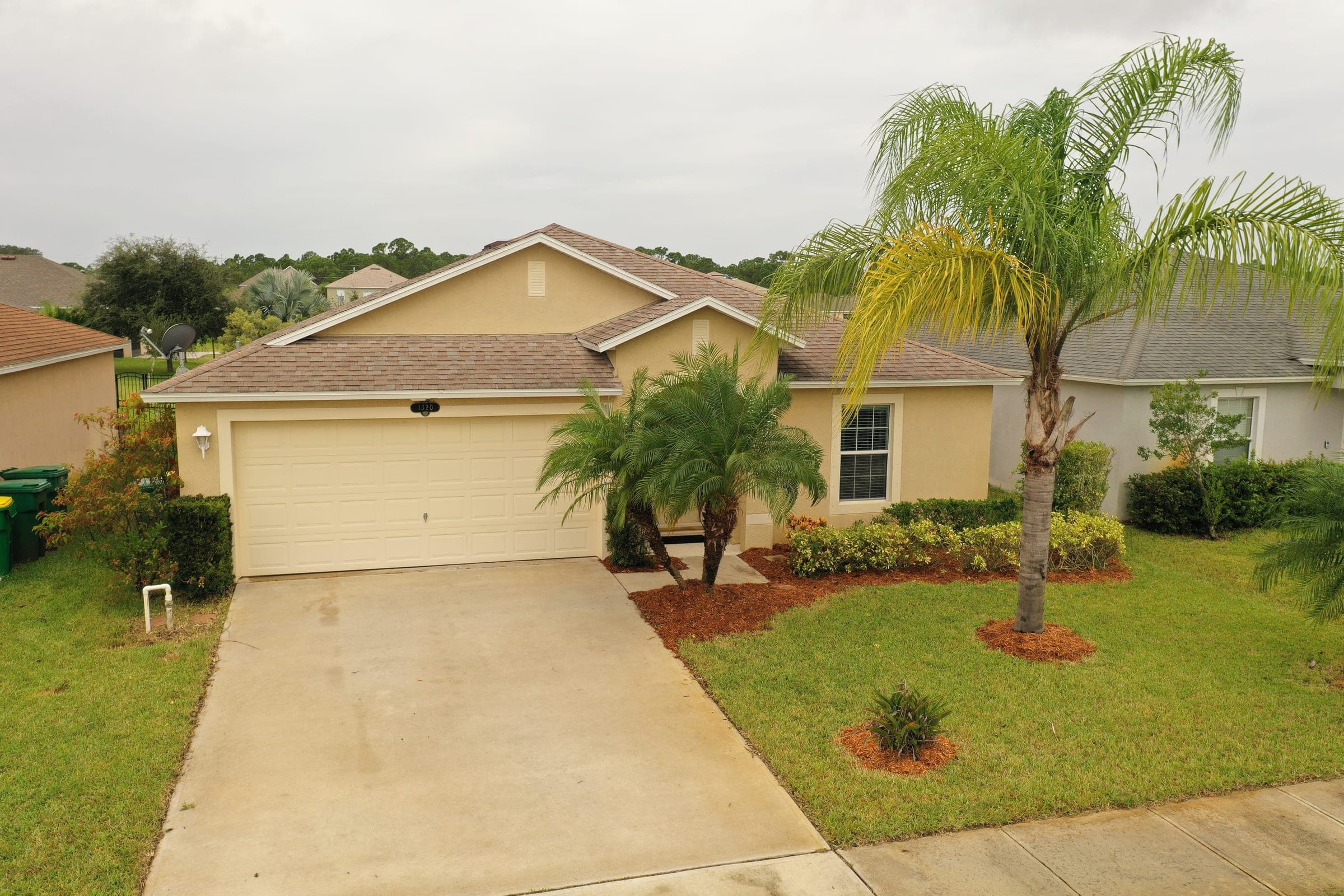
Historic Cocoa Village Overview
Riverside Historic District Charm
Historic Cocoa Village fills a unique niche in the Space Coast market: a genuinely walkable historic downtown district with authentic Victorian and craftsman architecture, riverfront access, and a thriving community character. While Brevard County's other population centers — Melbourne, Palm Bay, Titusville — grew primarily as automobile-dependent suburbs and sprawl, Cocoa Village retained its early-20th-century pedestrian urbanism. The historic block structure, continuous storefronts, and riverside orientation create a lived-in community experience that residents describe as more similar to a small Florida village than to typical Brevard County development patterns.
The residential neighborhoods immediately surrounding downtown — Victorian bungalows, cottages, and craftsman-influenced family homes from the 1920s–1950s — provide authentic housing within walking distance of shops, galleries, and restaurants. The historic preservation district maintains exterior design standards, creating a unified visual identity that buyers who value architectural authenticity find immediately appealing. Many homes have been thoughtfully renovated while preserving original character; others remain in original condition with renovation potential.
The Kennedy Space Center proximity is Cocoa's most significant employment driver. The space industry workforce — KSC employees, contractors, aerospace engineers — has historically anchored residential demand in Cocoa. Modern professional buyers increasingly seek authentic character and walkability alongside space-industry employment proximity, making Cocoa Village a rare combination: historic residential charm within 15–20 minutes of KSC via SR-528.
Cocoa Village Anchors
- ✦ Indian River Lagoon — Riverfront Park, docks, wildlife viewing
- ✦ Historic village district — Galleries, restaurants, boutiques, cultural events
- ✦ Arts renaissance — Growing creative community, studio conversions
- ✦ Dining renaissance — Chef-driven independent restaurants since 2018
- ✦ Kennedy Space Center — 15–20 min via SR-528 Beachline
- ✦ Port Canaveral — 20 min, cruise terminal employment
- ✦ Preservation tax credits — Federal rehabilitation credits (20%+ renovation cost)
- ✦ Community events — Farmers market, festivals, outdoor concerts
Cocoa Village Sub-Areas & Neighborhoods
Each sub-neighborhood around the village has its own character, price tier, and target buyer profile.
Historic Downtown Core
Village commercial & residential mixed-use$280K–$550K
Brevard Avenue and Dixon Boulevard—the historic village district proper. Ground-floor shops, galleries, restaurants in preserved 1920s–1940s commercial buildings; second- and third-floor residential apartments and lofts. The walkable heart of Cocoa Village. Limited supply, high turnover among owner-occupied residences, but strong community character and day-to-day walkability that cannot be replicated in suburban Cocoa neighborhoods.
Riverside Historic District
Residential bungalows & craftsman with river character$300K–$600K
Immediate residential neighborhoods north and south of downtown — one-story bungalows, cottages, and early-20th-century small family homes in the Riverside Historic Preservation zone. Mature shade, creek views, walkable proximity to the village. The most authentic historic Cocoa residential experience — where long-term residents live within a five-minute walk of downtown dining and shops.
Parkway District
Tree-lined residential, vintage Cocoa feel$250K–$450K
Streets radiating from downtown toward US-1 (Parker Avenue and Parkway Drive corridor). 1950s–1970s construction, tree-lined streets, single-family homes with established yards. Less walkable than Riverside Historic but still minutes from downtown. Often the best value tier for buyers seeking historic Cocoa character at entry-level pricing.
Waterfront Properties
Indian River Lagoon direct access, dock-equipped$500K–$1.2M+
Homes directly fronting Indian River Lagoon with boat docks, boathouses, and water access. Fewer in number but the premium tier of Cocoa Village—views, recreation, and the most exclusive residential character. Lagoon-front properties often see interest from both resident boaters and investment buyers interested in waterfront appreciation.
Historic Preservation Zone
Protected heritage district with architectural guidelines$280K–$500K
The formal Cocoa Village Historic Preservation District — subject to exterior design review and architectural standards for renovations and new construction. Homes in this zone have stringent deed restrictions that maintain character but affect modernization timelines. The trade-off is strong community identity and property value stability through preservation enforcement.
Gateway Neighborhoods
Accessible Cocoa entry neighborhoods with village proximity$200K–$380K
Neighborhoods immediately adjacent to the historic district—older Cocoa residential areas with convenient access to the village, shopping, and SR-528. Less historic character preservation focus but strong value for buyers seeking Cocoa location without paying full historic-district premiums. Good first-time-buyer and investor entry point.
Historic Architecture & Preservation Character
Cocoa Village's architectural identity — 1920s Victorian to 1940s craftsman — is actively preserved through district design standards and federal historic designation.
Victorian Architecture & Restoration
Gable roofs, wrap-around porches, tall windows, and ornamental details characterize Cocoa's 1920s–1930s residential architecture. Original construction often features heart pine, solid masonry, and plaster details. Many original homes are undergoing thoughtful restoration — roof and foundation work, period-appropriate window restoration, and exterior repainting that honors original palettes.
Riverside Character & Lagoon Proximity
Homes near the Indian River benefit from water views, natural breezes, wildlife access, and a quieter residential quality distinct from downtown. Many Riverside Historic District properties have creek or lagoon views. Mature oaks and tropical vegetation create a parklike neighborhood feel despite central location.
Arts Community & Cultural Integration
Growing artist population — painters, sculptors, musicians, writers — is converting historic buildings into studios and live-work spaces. Gallery openings, cultural events, and artist collaborations are creating a community identity around creative practice and cultural production, not just tourism.
Schools – Brevard County
Cocoa Village sits within Brevard County Public Schools, serving the Cocoa area from elementary through high school.
| School | Rating | Grades | Notes |
|---|---|---|---|
| Cocoa High School | B | 9-12 | Primary high school serving Cocoa. Strong athletics and performing arts. Career academy programs in healthcare, information technology, and manufacturing. Approximately 1,600 students. |
| Cocoa Middle School | B | 6-8 | Comprehensive middle school feeder to Cocoa HS. Strong STEM and language arts focus. Leadership and club activities popular among student body. |
| Cocoa Elementary School | B | K-5 | Downtown-adjacent elementary serving the Cocoa Village and historic district areas. Strong reading programs and arts integration. Largest concentration of village-area students. |
| Central Elementary School | B | K-5 | Serves central Cocoa neighborhoods. Title I school with strong family engagement and community programs. ESL and reading support services. |
| Brevard Schools – Cocoa Area | B-C | K-12 | Brevard County Public Schools overall rating: B. Cocoa-area schools perform at mid-district levels with strong vocational and career pathway offerings. Space Coast's economy—KSC, aerospace, defense—drives career technical education focus. |
| Eastern Florida State College | — | Adult | Melbourne-campus community college with Cocoa-area satellite programs. Strong transfer pathway and workforce development programs tied to space industry employment. |
Commute & Access
Cocoa Village's position on SR-528 and US-1 provides multi-directional access to Space Coast employment, beaches, and attractions.
| Destination | Distance | Time | Route |
|---|---|---|---|
| Kennedy Space Center | ~25 mi | 15–20 min | SR-528 east to KSC |
| Melbourne / CBD | ~18 mi | 20–25 min | US-1 south |
| Brevard Zoo | ~8 mi | 12–15 min | US-1 south to Viera |
| Port Canaveral Cruise Terminal | ~22 mi | 20–25 min | SR-528 east |
| Titusville / NASA | ~35 mi | 40–45 min | US-1 north, SR-50 |
| Orlando | ~50 mi | 50–60 min | SR-528 west to I-4 |
| Daytona Beach | ~65 mi | 70–80 min | I-95 north |
| Merritt Island / OCLP | ~15 mi | 18–22 min | SR-528 north to Merritt Island Causeway |
Cocoa Village Market Tiers
Four distinct tiers reflecting location, character, and waterfront access.
Entry Historic Cocoa
$200K–$300K
Smaller bungalows, fixer-upper opportunities, and older Cocoa entry neighborhoods outside the preservation district. Best value for buyers seeking Cocoa location and community character willing to trade proximity for price.
Established Historic Homes
$300K–$450K
Solid bungalows, cottages, and 1950s–1970s family homes in the Riverside Historic District and Parkway area — many recently renovated. The bulk of Cocoa Village buyer interest sits here.
Premium Historic & Walkable
$450K–$750K
Updated or custom-renovated historic homes in the preservation district with modern systems, curb appeal, and authentic character. Downtown-adjacent walkability. The lifestyle premium for location and character.
Indian River Waterfront
$750K–$1.2M+
Direct Indian River Lagoon frontage with dock access, boathouse potential, and recreational boating. The Cocoa Village premium tier — limited inventory, high appeal to boating households and estate-scale buyers seeking Space Coast waterfront character.
Buyer Priorities in Historic Cocoa Village
Six distinct sets of buyer priorities drive Cocoa Village's market — understanding which one fits you helps identify the right neighborhood tier and property type.
The Historic Preservationist
Architecture enthusiast, renovation-minded
Drawn to Victorian and craftsman architecture, preservation district deed restrictions, and authentic historic character. Often willing to undertake thoughtful renovation projects within preservation guidelines. Sees old homes as unique assets with soul — not fixer-uppers to flip.
The Artist / Creative Professional
Gallery owner, musician, artisan, designer
Attracted to Cocoa Village's emerging arts renaissance — boutique galleries, cultural venues, walkable downtown, and the creative community coalescing around the village. Often live-work situations in converted historic buildings or lofts.
The Downtown Professional
Small business owner, entrepreneur, remote worker
Seeks walkable lifestyle within a historic small-town context. Village retail, cafes, and community events provide daily engagement. Often prefers boutique character to suburban anonymity. Strong alignment with work-from-home or local-business models.
The Investment Renovator
Fix-and-hold investor, renovation contractor
Targets distressed or dated historic homes in the preservation district — renovates to modern standards while maintaining character — and either rents long-term or sells to owner-occupants. Cocoa Village's ongoing revitalization creates strong IRR potential in this tier.
The Waterfront Lifestyle Buyer
Boating household, water-focused recreational use
Seeks Indian River Lagoon waterfront with dock and boat lift — prioritizes water access and recreational boating over walkable downtown character. Often attracted to Cocoa Village due to lower waterfront pricing vs. more expensive coastal addresses.
The Cultural Enthusiast
Arts patron, events attendee, lock-and-leave
Drawn to Cocoa Village's festival calendar, farmers market, galleries, and riverside parks. Values community engagement and walkable access to cultural amenities. Often seeks smaller homes and lock-and-leave convenience without yard maintenance burden.
Cocoa Village Hidden Gems
Local insights that research doesn't reveal — the kind of knowledge working the market produces.
Historic Preservation Tax Credits — eligible properties in the National Register district can access federal rehabilitation tax credits (up to 20% of renovation costs) — a significant financial advantage most buyers overlook.
Cocoa Village is the only genuinely walkable downtown on the Space Coast — Melbourne and Titusville have retail strips but not true pedestrian-scaled historic blocks like Cocoa's Brevard Avenue.
Arts Gallery Growth — the past five years have seen steady gallery openings and artist-studio conversions. The arts community is small but growing, making Cocoa an emerging (not saturated) arts address on Florida's central coast.
Dining Renaissance — Cocoa Village's restaurant scene has evolved dramatically since 2018. Local, independent, chef-driven restaurants now anchor the district — a meaningful culinary upgrade from the tourist-trap dining of the 1990s–2000s.
Indian River Lagoon Location — direct waterfront proximity offers wildlife viewing (dolphins, manatees, herons), fishing, and paddleboarding access uncommon in Brevard's growth-era subdivisions.
Preservation Trend — walkable historic districts and authentic character are attracting younger professional buyers priced out of trendier metros. Cocoa Village sits at the beginning of this curve — still affordable, but appreciation-bound.
Affordable vs. New Construction — comparable square footage to new suburban homes in Brevard County but at significantly lower prices, with infinitely more character and walkability.
Homes for Sale – Historic Cocoa Village
Live Flex MLS listings · Brevard County · ZIP 32922
Browse active homes for sale in Cocoa, Central Florida, sourced from Stellar MLS and refreshed every 15 minutes. Current inventory includes single-family homes, condos, and waterfront properties across a range of price points.
Listings courtesy of Stellar MLS as distributed by MLS GRID. Data deemed reliable but not guaranteed. Full disclaimer
Honest Alternatives to Historic Cocoa Village
If Cocoa Village isn't the perfect fit, here are the historic and walkable communities most often considered alongside it.
Cocoa
If you want broader Cocoa residential without village character
Greater Cocoa city offers more inventory, broader price range, and suburban amenities. Less walkable and less historic but a larger selection of single-family homes and modern subdivisions.
Downtown Orlando
If you want a larger walkable downtown with more restaurants and culture
Orlando's urban core offers far more restaurant, gallery, and cultural density than Cocoa Village. Higher prices, bigger city energy, and full-scale urban infrastructure.
Mount Dora
If you want a small-town historic downtown vibe without waterfront
Mount Dora's downtown has similar walkable character, arts presence, and small-town appeal. No waterfront, higher prices, and fewer Space Coast employment ties.
St. Augustine
If you want historic architecture at a larger scale with beach proximity
America's oldest city offers far larger historic district, more tourism, and established prestige. Much higher prices and more tourist-oriented vs. Cocoa's residential authenticity.
Downtown Melbourne
If you want larger downtown walkability within Brevard County
Melbourne's downtown revitalization offers broader walkability and retail density than Cocoa Village. More suburban density and fewer bohemian/artistic character than Cocoa.
Historic Florida Communities
If you want similar walkable historic character in other Florida cities
DeLand, Eustis, and other historic downtowns offer comparable small-town character, arts presence, and architectural authenticity across central Florida.
Historic Cocoa Village — FAQ
What defines Historic Cocoa Village's architectural character?
Cocoa Village's architectural heritage spans roughly 1920–1950, dominated by Victorian bungalows, early 20th-century cottages, and craftsman-influenced small homes. Commercial buildings in the downtown district feature classical revival, art deco, and early modernist details reflecting that era. The preservation district enforces exterior design standards for renovations and new construction to maintain this visual continuity. Most residential homes are 1,000–1,800 square feet, reflecting the smaller-lot, walkable-block urbanism of that era. Modern additions and renovations must respect rooflines, fenestration, and material palettes of the originals.
What are historic preservation tax credits and how do they apply in Cocoa Village?
The National Historic Preservation Tax Credit (federal) and the Florida Historic Preservation Tax Credit (state) provide up to 20–30% tax credits on qualified renovation expenses for income-producing or owner-occupied properties in listed historic districts. Cocoa Village properties that are part of the National Register of Historic Places can qualify. These credits directly reduce tax liability — not a deduction but a dollar-for-dollar credit. A $100K renovation can yield $20K–$30K in federal credits. A CPA and preservation architect should evaluate before purchase.
What is the Indian River Lagoon and can I use it for recreation?
The Indian River Lagoon is a 156-mile estuary separating Brevard County's barrier islands from the mainland. At Cocoa Village, it provides scenic river views, boating, fishing, kayaking, and wildlife viewing (dolphins, manatees, wading birds are common). Cocoa Village's Riverfront Park sits directly on the lagoon with public boat launch and fishing piers. Waterfront homes have private dock access. The lagoon is not a traditional beach swimming lake — it is a saltwater estuary with tidal cycles — but recreational boating and paddling are excellent.
Is Historic Cocoa Village a good investment for appreciation?
Cocoa Village sits at an inflection point. Walkable historic downtowns and authentic character have appreciated faster than sprawling suburban neighborhoods nationwide over the past decade. Cocoa Village's location—affordable relative to nearby Brevard County, genuine walkability, emerging arts scene, and space-industry employment proximity—creates structural demand. Risks include broader Brevard County population migration trends and dependency on preservation district maintenance. Renovation projects with tax credits tend to show the strongest returns. Conservative estimate: 3–4% annual appreciation; bullish case: 5–7% if the arts and dining renaissance accelerates.
How close is Cocoa Village to Kennedy Space Center and Port Canaveral?
Kennedy Space Center is approximately 25 miles east — 15–20 minutes via SR-528 (Beachline Expressway). Port Canaveral cruise terminal is approximately 22 miles — roughly 20–25 minutes via SR-528. This proximity has historically driven Cocoa residential demand from KSC employees, contractors, and aerospace workers. The Cocoa area's position at the US-1 and SR-528 intersection makes it one of Brevard County's most convenient mainland locations for space industry employment.
What is Cocoa Village's walkability and pedestrian infrastructure like?
Cocoa Village proper (Brevard Avenue and Dixon Boulevard, plus 2–3 blocks north and south) achieves Walk Score of approximately 72 — "Very Walkable" by national standards. Sidewalks are continuous, street-level retail and restaurants create pedestrian activity, and parking is distributed (not dominant). The broader Cocoa residential neighborhoods (Riverside Historic, Parkway) are walkable to the village (5–10 minutes) but less pedestrian-scaled. Beyond the 1-mile village core, walkability drops significantly — typical suburban Brevard County patterns emerge.
What makes Cocoa Village unique compared to other Brevard County historic areas?
Brevard County has several older neighborhoods (Rockledge, Titusville, Melbourne), but Cocoa Village is the only place where a genuine walkable historic downtown district exists with a functioning pedestrian community, active restaurant and cultural scene, and residential integration. Most Brevard historic areas are single-street commercial zones (like Titusville's historic main street) without residential character or critical mass. Cocoa Village's block structure, riverfront orientation, and day-to-day vitality give it a character more similar to smaller historic downtowns in other states than to typical Brevard County neighborhoods.
Are there festivals and community events in Historic Cocoa Village?
Yes. Cocoa Village hosts a robust event calendar including the Cocoa Village Festival of the Arts (annual), monthly farmers market, outdoor concert series, holiday celebrations, and rotating street festivals. Riverfront Park is the anchor venue for community gatherings. Local restaurants, breweries, and galleries sponsor walking tours and after-hours events. The event calendar is part of what drives foot traffic and village vitality — particularly on weekends. Long-term residents cite community engagement and cultural participation as primary reasons for staying.
What are the HOA and maintenance costs for historic homes in preservation districts?
Cocoa Village historic homes vary. Some neighborhoods have HOAs ($50–$200/year) while others are fee-simple. The preservation district itself has no mandatory HOA but does enforce design review guidelines through the Cocoa Historic Preservation Board (non-HOA mechanism). Exterior renovations require approval — a light regulatory layer without financial cost but with timeline and design constraints. Older homes require higher maintenance spending than newer construction: roof replacement ($12K–$20K), foundation work, plumbing/electrical updates, and exterior preservation are typical 20–30 year cycle costs.
What neighborhoods in Cocoa Village are the most walkable and have the strongest character?
Historic Downtown Core (Brevard Avenue blocks) and Riverside Historic District are the strongest character and walkability addresses. Downtown Core is most walkable (scores 75+) but has limited residential inventory. Riverside Historic (north of downtown) combines walkability to the village (5 minutes), authentic historic homes, river character, and broader residential selection. The Parkway District offers good village proximity at lower walkability but better value. Beyond 1 mile from downtown, walkability drops significantly.
Brevard County & Historic Neighbors
Historic Cocoa Village Real Estate Expert
Ryan Solberg · MaxLife Realty · Brevard County Historic Communities
Thinking of selling?
What's Your Historic Cocoa Village Home Worth?
Get a real, agent-prepared valuation for your Historic Cocoa Village home — based on actual Historic Cocoa Village sales, not an automated estimate. No obligation, and your information stays between you and Ryan.
- Priced from real Historic Cocoa Village comparable sales
- Prepared by Ryan personally — not a computer guess
- A reply within one business day
Prefer to start on your own? Try the free Orlando home value estimator or see the full cost to sell a home in Florida. Selling in Historic Cocoa Village? Learn more about our process for Historic Cocoa Village sellers.