Inner-Ring Orlando · ZIP 32804 · City of Orlando
College Park, FL
Orlando's quintessential walkable neighborhood — 1920s bungalows on brick streets, Edgewater Drive's dining scene, Lake Adair lakefront, and Dubsdread Golf Course, minutes from downtown.
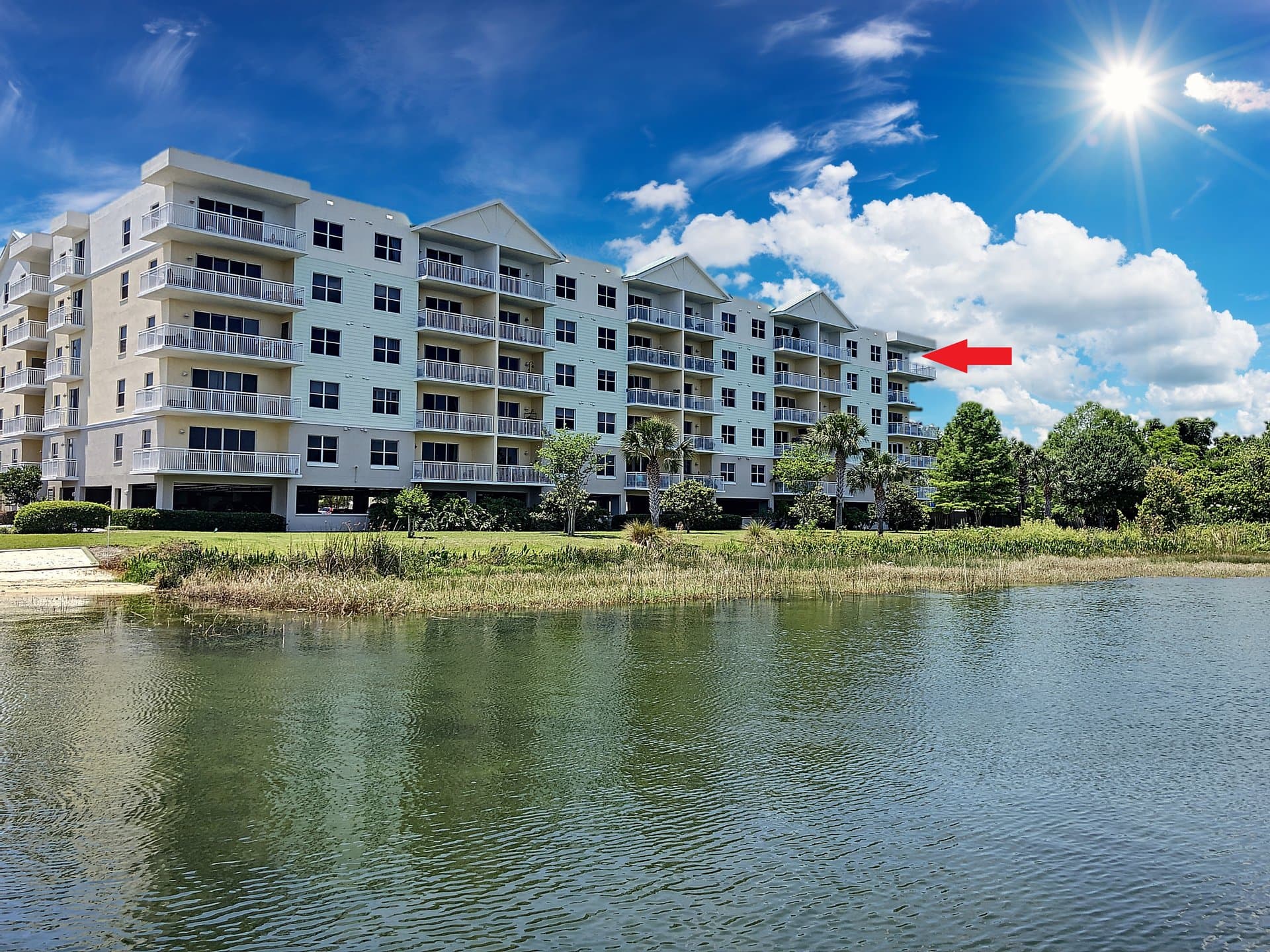
College Park Neighborhood Overview
City of Orlando · Inner-Ring · Built 1920s–1940s
Orlando's original walkable neighborhood — a century of character
College Park's story begins in 1921when developer Walter Rose platted Rosemere and established the tradition of naming streets after universities — Harvard, Princeton, Yale, Columbia, Cornell. The 1920s real estate boom brought three defining subdivisions: Rose's Rosemere (1921), H. Carl Dann's Dubsdread Country Club and Golf Course plat (1923), and J.P. Holbrook's Edgewater Heights (1924). The neighborhood takes its name from those college-named streets, not from any educational institution.
By 1940 the neighborhood was largely built out with the housing stock that defines it today — Craftsman bungalows, Mediterranean Revival cottages, and modest single-story homes on well-proportioned lots. Edgewater Drive evolved as the commercial spine, and by the early 2000s it had shed chain tenants in favor of the independent restaurant and boutique district it is now. Today the College Park Neighborhood Association(founded 1987) actively monitors demolition permits and infill to preserve the neighborhood's historic character — one reason College Park's architectural integrity runs deeper than most comparable Orlando neighborhoods.
The neighborhood has a population of approximately 21,000 with a median household income of $113,000+ and a median age of 38.5. Buyers tend to choose College Park specifically for its walkability and character — not land here by default. That selectivity sustains demand and prices in a ZIP that has no room to expand.
College Park Anchors
- ✦ Edgewater Drive — 24+ independent restaurants, coffee, boutiques
- ✦ Dubsdread Golf Course — oldest public course in Central FL (1924)
- ✦ Lake Adair — 24-acre lake, trail loop, lakefront residential
- ✦ Lake Ivanhoe — south boundary; Ivanhoe Village access
- ✦ Edgewater High — IB programme + Gifted Academy
- ✦ The Kerouac Project — literary residency landmark
- ✦ Loch Haven Cultural Park — Orlando Museum of Art + theaters
What people get wrong
Buyers often conflate ZIP 32804 with the broader "north of downtown" area, which includes portions of Ivanhoe Village, Parramore, and Orlo Vista. College Park proper is a specific neighborhood identity — when evaluating a listing, check the subdivision and street, not just the ZIP. Streets named after colleges are a reliable indicator you're in the right area.
How College Park compares
Choosing between College Park, Baldwin Park, and Thornton Park? See the full breakdown in our guide to Orlando's walkable inner-ring neighborhoods — character, schools, prices, and commutes compared.
College Park's lakes
Lake Adair and Lake Ivanhoe
Two lakes define College Park's boundaries and its lakefront market. Neither is part of the Butler Chain of Lakes system — they are separate, quieter lakes with a more intimate scale.
Center-north · 24 acres
Lake Adair
- ✦ 24-acre freshwater lake — intimate, quiet, no commercial boat traffic
- ✦ Lake Adair Park — City of Orlando park with brick trail loop, benches, bird watching
- ✦ Lakefront homes feature private docks and views across to historic homes
- ✦ Walkable from most College Park addresses — ~0.7 mi from Edgewater core
- ✦ Edgewater Heights (1924) was platted specifically to capture Lake Adair frontage
Lake Adair waterfront homes represent the most coveted addresses in the neighborhood. Inventory is extremely limited — expect 3–5 lakefront sales per year at most.
Southern boundary · larger footprint
Lake Ivanhoe
Lake Ivanhoe forms College Park's southern boundary and anchors the adjacent Ivanhoe Village district along N. Orange Avenue. Larger than Lake Adair with a more urban lakefront character.
- ✦ Lakefront dining at Russell's on Lake Ivanhoe — views from the table
- ✦ Paddleboarding access at the Ivanhoe Village Main Street waterfront
- ✦ Loch Haven Cultural Park and the Orlando Museum of Art on the north shore
- ✦ South College Park lakefront homes walk to Ivanhoe Village restaurants
Sub-areas
College Park's 6 market zones
College Park has no formal HOA subdivisions — sub-area identities are defined by original platting names, proximity to Edgewater Drive, and lakefront status. When reviewing a listing, check the subdivision and street name.
Lake Adair Waterfront
$1.2M–$3M+
24-acre lake · private docks · limited supply
Direct lakefront on Lake Adair. Private docks, lake-trail access, Mediterranean Revival and custom homes. Inventory is extremely tight — lakefront homes here turn over rarely and move fast. The most premium College Park addresses.
South College Park / Lake Ivanhoe
$900K–$2.5M
Lake Ivanhoe frontage · Ivanhoe Village access
Southern boundary waterfront adjacent to Ivanhoe Village's arts and restaurant scene. Walking distance to Loch Haven Cultural Park and the Orlando Museum of Art. Premium lakefront with downtown proximity.
Edgewater Drive Core
$500K–$900K
Most walkable · updated bungalows · brick side streets
The addresses within a few blocks of the Edgewater Drive dining strip. Updated Craftsman and bungalow homes on brick-lined side streets. Walk Score 80+ for most addresses. The neighborhood's true urban core.
Rosemere
$450K–$800K
1921 first subdivision · college-named streets
Walter Rose's 1921 Rosemere plat is where the college-street-naming tradition began. Harvard, Princeton, Yale, and Columbia avenues radiate from here. Mix of original and updated bungalows on well-established lots with mature tree canopy.
Dubsdread / Golf View Heights
$450K–$850K
Golf course proximity · 1923 H. Carl Dann plat
H. Carl Dann's 1923 Golf View Heights subdivision surrounds the Dubsdread Golf Course. A mix of 1920s–1950s homes with larger lots than the Edgewater core, many updated. The golf course address at a fraction of private-club community prices.
Adair Park / Parkwood / Interior Streets
$400K–$700K
Most accessible · original condition or modest updates
Interior College Park residential streets offer the most accessible entry price into the 32804 ZIP. Same school zone, same neighborhood association, same walkability as the Edgewater core — at a lower starting price. Popular with first-time buyers and investors.
Schools · OCPS · 8th-largest district in the U.S.
Edgewater High's IB programme and Gifted Academy
Orange County Public Schools earned an "A" from the Florida Department of Education in both 2024 and 2025. College Park's standard zone feeds Princeton Elementary → College Park Middle → Edgewater High. Always verify your exact assignment at the OCPS Find My School tool before closing.
Elementary
Princeton Elementary
PK–5
311 W. Princeton St · primary College Park assignment
Lake Silver Elementary
PK–5
Some western College Park zones — verify via OCPS
Middle
College Park Middle School
6–8
Gifted Scholastic Academy · STEM challenges · real-world projects · feeds Edgewater High
High School
Edgewater High School
9–12
3100 Edgewater Dr · Gifted High School Academy · IB Diploma Programme · founded 1952
Edgewater High opened for the 1952–53 school year when Orlando High was split. Today it carries both an IB Diploma Programme and a Gifted High School Academy— rigorous coursework designed for advanced learners that feeds directly from College Park Middle's Gifted Scholastic Academy. The pathway from Princeton Elementary through Edgewater High is one of OCPS's most coherent gifted tracks.
Private & Alternative options
- The Kerouac Project (non-school) — Literary residency at 1418 Clouser Ave — not a school, but relevant to the neighborhood's character
- Various private / parochial options — Several K–8 private schools within 10–15 min: Trinity Lutheran, Holy Family Catholic (32804 adjacent)
- Foundation Academy — K–12 Christian charter — Fairbanks campus ~15 min drive
Moving to College Park
Utilities & Services
College Park is in Orange County, Florida. Here's who to call to get power, water, and trash service set up in your name before closing.
Electric
Orlando Utilities Commission (OUC) · (407) 423-9018City of Orlando and parts of unincorporated Orange County. OUC also provides water in its territory.
Duke Energy Florida · (800) 700-8744Most of unincorporated Orange County, plus Winter Garden, Apopka, and Ocoee.
Water & Sewer
Orange County Utilities · (407) 836-5515Unincorporated Orange County (water & sewer).
OUC — Water (City of Orlando) · (407) 423-9018City of Orlando — OUC provides both water and electric.
Edgewater Drive · College Park Main Street
24+ independent restaurants — Orlando's most beloved street
Edgewater Drive runs the length of College Park from Lake Ivanhoe north. It has successfully resisted chain-restaurant monoculture — nearly every operator is independent, locally owned, and has been on the strip for years. Residents walk here for dinner. Multiple times a week.
K Restaurant
New-American · locally sourced · 1710 Edgewater — the neighborhood's flagship fine dining
RusTeak
Refined American with steaks, sandwiches, and extensive wine list · 2625 Edgewater
Armando's
Classic Italian with upscale ambiance and specialty pizzas · 2305 Edgewater
Jade Sushi & New Asian
High-quality sushi and creative ramen · 2425 Edgewater
Outpost Neighborhood Kitchen
Southern-influenced comfort food · 2603 Edgewater
Tornatore's Cafe & Pizzeria
House-made pasta, pastries, and mozzarella · 3818 Edgewater
Tartine Wine Bar and Eatery
French café · pastries · wine · 2445 Edgewater
Shakers American Cafe
Classic diner · renowned for breakfast · 1308 Edgewater
Cafe Linger
European-inspired café · locally roasted coffee · small plates · 2912 Edgewater
Infusion Tea
Tea shop · vegetarian menu · loose leaf selections · 1600 Edgewater
Trevi Pasta
Father-daughter pasta shop with housemade gelato · 2120 Edgewater
Digress Wines
Wine shop with kitchen · Wednesday–Saturday food service · 1215 Edgewater
Ivanhoe Village — the arts and dining district at College Park's south edge
Ivanhoe Village Main Street on N. Orange Avenue began as Antique Row and has evolved into one of Orlando's primary arts and culture corridors — MICHELIN-recommended dining, lakefront restaurants, and the city's main museum cluster.
The Pinery
MICHELIN Recommended · celebrates Florida's forgotten history and ingredients
Russell's on Lake Ivanhoe
Upscale casual · lakefront views · fresh innovative menu on Lake Ivanhoe shore
Orlando Museum of Art
Founded 1924 · anchors Loch Haven Cultural Park · 12+ rotating exhibits yearly
Loch Haven Cultural Park
Museums, theaters, and performance venues — officially Ivanhoe Village Main Street territory
Washburn Imports
Art and furnishings from Thailand and Bali — the holdover of the original Antique Row identity
Dubsdread Golf Course
The oldest public course in Central Florida — and it's in the neighborhood
History & Character
In 1923, developer H. Carl Dann Sr. — who had a falling-out with the Orlando Country Club over wagering — founded Dubsdread Country Club the very next day, reportedly lining up 100+ members immediately. He hired Chicago's Thomas Bendelow, one of the foremost golf course architects in the United States, to design the course. It opened to the public on December 7, 1924 with thousands of spectators. The City of Orlando purchased it in 1978.
The name "Dubsdread" derives from the intent of instilling dread in "dubs" — novice golfers. The name stuck, and today it's one of Central Florida's most identifiable golf landmarks.
Current Access & Programs
- ✦ Address: 549 West Par Street, Orlando 32804 — in the neighborhood
- ✦ Public, City-owned: No membership required, no initiation fee
- ✦ Trackman driving range: Open daily 6 AM–8 PM (9 PM Fri–Sat)
- ✦ Junior programs: Op36 Academy, Future36ers, summer camps (2026)
- ✦ Leagues: Men's, women's (Ladies Links — no handicap required)
- ✦ Direct bookings: No booking fee via historicaldubsdread.com
For buyers who want a golf-course lifestyle without a $30K–$75K private club initiation, Dubsdread is one of the most compelling answers in all of Orlando.
Community Calendar
College Park's annual events — the neighborhood's social fabric
College Park's neighborhood associations and Main Street organization run events that no other Orlando ZIP replicates. These are part of what residents are buying into.
Dancing on the Drive
Giant dance floor, food trucks, and vendors take over Edgewater Drive for one evening
JazzFest
Multiple bands along the Edgewater Drive corridor
Holiday on the Drive
Edgewater Drive transforms for the holidays — lights, vendors, community gathering
Sunday in the Park
CPNA annual gathering at Lake Adair Park — the neighborhood's social anchor event
Historic Homes Tour
CPNA-organized annual tour of College Park's most notable historic homes
Orlando Fringe Theatre Festival
Oldest fringe festival in the U.S. — staged in Loch Haven Cultural Park at College Park's south edge
Commute & Access
10 minutes to downtown. Walk to dinner.
College Park's location north of downtown on the I-4 corridor gives residents short commutes without living in downtown density. The Princeton Street bike trail is a direct car-free route to downtown for cyclists.
| Destination | Drive Time | Route / Notes |
|---|---|---|
| Downtown Orlando (Central Business District) | ~10 min | Via I-4 S or Princeton St — 2 miles |
| Edgewater Drive dining strip | Walk or 5 min drive | Most College Park addresses within walking distance |
| Lake Adair Park | 5–15 min walk | Depending on street; most College Park homes under 0.7 mi |
| Winter Park (Park Avenue) | ~15 min | Via Fairbanks Ave east — no I-4 required |
| Orlando Health ORMC | ~5 min | ~2 mi south on Orange Ave — one of Florida's top trauma centers |
| Orlando International Airport (MCO) | ~22 min | Via I-4 S to 528 Beachline (~20 mi) |
| Universal Orlando | ~15 min | Via I-4 W, Exit 82A |
| Walt Disney World | ~30 min | Via I-4 W to SR-535 — further than Dr. Phillips but manageable |
| Dubsdread Golf Course | ~5 min drive or walk | 549 West Par Street — in the neighborhood |
Market Data · ZIP 32804 · 2026
Supply-constrained. Fully built out. Demand-driven.
College Park has no undeveloped land for new subdivision construction. Inventory comes only from existing homes trading hands. Median prices run $575K–$760K depending on timeframe; lakefront exceeds $2M. Homes average 60+ days on market — not because demand is weak, but because sellers hold firm and buyers take time on scarce inventory.
| Tier | Price Range | Terms | Key Locations |
|---|---|---|---|
| Lakefront Estate | $1.8M–$3M+ | Cash + conventional | Lake Adair · Lake Ivanhoe — fully renovated, deep-water-suitable docks |
| Lakefront Entry | $1.2M–$1.8M | Cash + conventional | Lake Adair waterfront · Lake Ivanhoe edge · original or lightly updated |
| Updated / Larger Home | $700K–$1.2M | Mostly conventional | Edgewater core, Rosemere · 3/2 to 4/3 · gut-renovated bungalows, Mediterranean Revival |
| Move-in Bungalow | $550K–$700K | Conventional + FHA | Golf View Heights, Adair Park · 2/1 to 3/2 · updated kitchens and baths |
| Entry Bungalow | $400K–$550K | FHA + conventional | Interior streets · original condition or cosmetic updates · 2/1 to 3/1 |
Market dynamics (2026)
- ✦ Median sale price: ~$575K–$760K (varies by window)
- ✦ Days on market: 60+ average — sellers hold firm on price
- ✦ Cash buyers: Common above $1.5M; conventional dominates below
- ✦ Supply constraint: No new development land — all resale market
- ✦ Lakefront velocity: 3–5 Lake Adair lakefront sales per year maximum
What adds value in College Park
- ✦ Original hardwood floors preserved — not sanded out or replaced
- ✦ Period-appropriate renovation — Craftsman kitchens, not builder-grade white box
- ✦ Mature tree canopy — 80–100-year-old oaks are irreplaceable
- ✦ Brick street address — original brick paving on side streets carries premium
- ✦ Lake frontage — any waterfront view adds significant premium
- ✦ Walk distance to Edgewater — blocks matter here more than most
Buyer priorities
Six sets of priorities we see in College Park
The Anti-Suburb Professional
30s–40s professional who wants urban walkability without condo life. Downtown job at Orlando Health, Darden, or a law firm. Can walk to Edgewater Drive for dinner three nights a week. Would never live in a gated subdivision. College Park's Craftsman bungalow is the identity purchase.
The Historic Preservation Buyer
Wants original wood floors, brick streets, front porches, and a neighborhood that actively fights demolition. The CPNA Historic Homes Tour attendee who saved for five years to buy the right 1930s Craftsman. Not interested in Baldwin Park's new construction regardless of price.
First Home + Downtown Walkability
First purchase in Orlando. Budget $450K–$600K. Edgewater High's IB program is on the radar. Wants to walk to brunch. Willing to trade square footage for character and location.
The Lakefront Buyer
Wants a dock on a small, quiet lake — not the Butler Chain's boat traffic. Lake Adair's 24-acre footprint and private feel is the draw. Often competing against 3–4 other serious buyers when a Lake Adair waterfront comes up.
The Ivanhoe Village Foodie
Centers life around the Lake Ivanhoe and Edgewater Drive dining corridors. Art museum membership, Fringe Theatre season tickets, MICHELIN-track restaurant list. Needs a walkable home base within the 32804 ZIP.
The Dubsdread Golfer
Wants a 5-minute drive or walk to a public golf course with real history. Dubsdread's 1924 founding, City ownership, and no-initiation access is the hook. Home budget $450K–$750K in the Golf View Heights sub-area.
Architectural character
1920s–1940s bungalows, Craftsman, and Mediterranean Revival
College Park's housing stock is overwhelmingly pre-war — Craftsman bungalows with front porches, wide eaves, and exposed rafter tails dominate the interior streets. Mediterranean Revival cottages with stucco exteriors and red tile roofs appear especially in Edgewater Heights and along lake-adjacent streets, where the 1924–1925 boom drew wealthier buyers and name architects. A smaller Mid-Century Modern layer (1950s–1960s) exists along the neighborhood's northern edge.
Lots run from 50×100 ft (interior bungalows) up to half-acre for larger lakefront parcels. There are no screen enclosures or pool decks on most lots — this is a different buyer than the suburban pool-and-enclosure crowd. Original wood floors, clapboard siding, and front-facing porches are the assets. The brick street surfaces on original College Park side streets add to the period feel and carry a meaningful comp premium.
What preservationists protect
- ✦ Original wood window trim and porch details
- ✦ Clapboard or shingle siding — not replaced with vinyl
- ✦ Heart pine and oak hardwood floors
- ✦ Brick street pavement on side streets
- ✦ Mature oak and magnolia canopy over the street
The renovation premium
A bungalow renovated with period-appropriate materials — Craftsman kitchen hardware, subway tile, clawfoot tubs — commands a meaningful premium over one updated with generic big-box finishes. Buyers here can tell the difference. The College Park Neighborhood Association's Historic Homes Tour has trained the market to value authentic preservation over cheapest-contractor renovation.
Hidden Gems
Insider notes most buyers miss
The Kerouac Project
1418 Clouser Ave — the cottage where Jack Kerouac lived in 1957–58 when On the Road was published. Now a nonprofit hosting six writer-in-residencies per year. Quiet landmark the new-to-College-Park crowd misses.
Lake Adair Park trail loop
Brick-road trail around Lake Adair's 24-acre shoreline. Benches, bird watching, views of historic lakefront homes across the water. A 15-minute walk from most College Park addresses.
Gabriel's Submarine Sandwich Shop
3006 Edgewater Dr — operating since 1958. One of Orlando's oldest continuously operating restaurants. Custom submarines, zero pretense.
Dubsdread Trackman Range
The City of Orlando upgraded Dubsdread's driving range with Trackman technology. Open daily 6 AM–9 PM Friday/Saturday. One of Central Florida's best public practice facilities.
Biltmore Shores Mystery Sink
A 1922 sink hole on Lake Adair's western shore documented by the U.S. Navy as the deepest known body of water in Florida — estimated 500+ feet. Not publicly accessible, but part of the neighborhood lore.
Loch Haven Cultural Park
Three museums and two performance venues on the Ivanhoe Village edge — Orlando Museum of Art, Orlando Science Center, and others. Technically adjacent, functionally the neighborhood's cultural anchor.
Dancing on the Drive (April)
College Park Main Street shuts down Edgewater Drive for a giant neighborhood street dance — food trucks, local bands, community feel that no other Orlando neighborhood replicates.
Notable History & Residents
An astronaut, a Beat writer, and the world's deepest sinkhole
John Young — Astronaut
John Young grew up at 815 West Princeton Street. He walked on the moon as Commander of Apollo 16 in 1972 — the ninth person to do so — and later commanded the first Space Shuttle mission. He contributed 42 years to NASA. His childhood street is a short walk from Edgewater Drive.
Jack Kerouac — The Kerouac Project
Jack Kerouac lived at 1418 Clouser Avenue from July 1957 to spring 1958 — the period when On the Road was published and The Dharma Bums was written. The cottage is now The Kerouac Project, a nonprofit providing six writer-in-residencies per year. Open to community visitors during events.
The Mystery Sink (1922)
A sinkhole on Lake Adair's western Biltmore Shores edge — documented by the U.S. Navy in 1922 as the deepest known body of water in Florida, estimated at 500+ feet. Not publicly accessible, but a piece of neighborhood lore that fascinates new residents. College Park is, in the most literal sense, built on interesting geology.
College Park Market Snapshot
For Sale = current active MLS listings. Sold figures = Stellar MLS closed sales over the last 12 months (ZIP 32804, homes $300K+), aggregate statistics only · As of Oct 20, 2026 · See active listings, recent sales & the sold-location map →
Homes for Sale in College Park, FL
Live Stellar MLS listings · ZIP 32804
Browse active homes for sale in Orlando, Central Florida, sourced from Stellar MLS and refreshed every 15 minutes. Current inventory includes single-family homes, condos, and waterfront properties across a range of price points.
Listings courtesy of Stellar MLS as distributed by MLS GRID. Data deemed reliable but not guaranteed. Full disclaimer
Honest cross-sell
When College Park isn't the right fit
College Park wins for buyers who want walkable urban living with historic character, Edgewater Drive access, and a 10-minute downtown commute. If your priority is different, here's what we'd recommend instead.
| If you want… | Better fit | Why |
|---|---|---|
| Newer construction, planned community, HOA amenities | Baldwin Park → | Built 2000s — uniform architecture, Village Center, newer systems |
| Maximum downtown walkability, nightlife-adjacent | Thornton Park → | Steps from Lake Eola and downtown bars — more urban, less residential character |
| Luxury suburban living, Restaurant Row, Disney commute | Dr. Phillips → | Sand Lake Chain waterfront, Bay Hill, 1980s–90s estates — different buyer altogether |
| Quiet small-town village + Park Avenue walking | Winter Park → | Park Ave, Rollins College, Morse Museum — more polished but 15 min north |
| Lake-focused living with larger lots | Maitland → | Multiple lakes, larger lots, quieter pace — 20 min north of College Park |
| Master-planned city living, medical, tech | Lake Nona → | Completely different vibe — 2010s planned, Medical City, USTA — no bungalows |
If the buyer says "I want newer construction and HOA amenities," sell them Baldwin Park — don't force them into a bungalow they'll resent. If they say "I want to walk to dinner and never own a car," College Park is the answer.
College Park, FL — FAQ
What is College Park Orlando known for?
College Park is Orlando's original walkable neighborhood — a 1920s–1940s residential district north of downtown with bungalows, Craftsman homes, and Mediterranean Revival architecture on brick-lined streets. Edgewater Drive is the neighborhood's commercial spine: a mile-and-a-half stretch of independent restaurants, coffee shops, and boutiques that has become one of Orlando's strongest dining destinations. College Park sits on Lake Adair and Lake Ivanhoe, giving it water access that most Orlando neighborhoods don't have. ZIP 32804 is consistently one of Orange County's most competitive markets for well-maintained original housing stock.
What are home prices in College Park Orlando FL?
College Park is one of Orlando's more expensive inner-ring neighborhoods due to limited inventory and sustained demand. Entry-level bungalows (2/1, original condition) start around $400K–$550K. Updated Craftsman and bungalow homes run $550K–$900K. Larger homes on interior streets run $700K–$1.2M. Lakefront on Lake Adair and Lake Ivanhoe starts around $1.2M and runs to $3M+ for fully renovated estate-size properties. College Park is fully built out — new construction is rare — which keeps supply tight and appreciation consistent.
Is College Park Orlando walkable?
College Park earns a 'Very Walkable' score from Walk Score — most daily errands can be done on foot from addresses near Edgewater Drive. From most College Park homes, residents can walk to multiple restaurants, coffee shops, a grocery option, and Lake Adair's trail loop. The neighborhood connects by bike to downtown Orlando's trail system via Princeton Street and Edgewater Drive. For buyers who want to reduce car dependency in Orange County, College Park is the primary option outside of Thornton Park.
What lakes are in College Park Orlando?
College Park is bounded by Lake Ivanhoe to the south and Lake Adair at its center-north. Lake Adair is a 24-acre freshwater lake with a public park and trail loop at its edge — walkable from most College Park addresses. Lake Ivanhoe is a larger lake on the southern boundary adjacent to Ivanhoe Village's restaurant scene. Lakefront homes on both lakes are among the most sought-after properties in the neighborhood; they turn over rarely and move quickly when they do.
What schools serve College Park Orlando FL?
College Park is served by Orange County Public Schools. Standard zone assignments are Princeton Elementary (311 W. Princeton St), College Park Middle School (which hosts a Gifted Scholastic Academy), and Edgewater High School (3100 Edgewater Drive). Edgewater High opened in 1952 and carries both an IB Diploma Programme and a Gifted High School Academy designed for advanced learners. Always verify your specific assignment via the OCPS Find My School tool before closing.
Is Dubsdread Golf Course public?
Yes — Dubsdread (549 West Par Street, 32804) is a City of Orlando-owned public golf course. It was founded in 1923 by developer H. Carl Dann Sr., designed by Thomas Bendelow of Chicago, and opened December 7, 1924 — making it the oldest public course in the central Florida area. The City of Orlando purchased it in 1978. Today it offers tee times, a Trackman-powered driving range open daily, leagues, junior programs, and summer camps. There is no initiation fee or membership required to play — just book a tee time.
How does College Park compare to Baldwin Park and Thornton Park?
College Park, Baldwin Park, and Thornton Park are Orlando's three most-discussed walkable inner-ring neighborhoods. College Park is the oldest (1920s) and most character-rich — pre-war bungalows, Edgewater Drive, Dubsdread Golf, genuine urban walkability. Baldwin Park (built 2000s) is newer, master-planned, more uniform in architecture, with a small town center at Baldwin Park Village Center. Thornton Park is more urban and nightlife-oriented, steps from downtown Lake Eola. College Park buyers typically prioritize historic housing stock and neighborhood character; Baldwin Park buyers want newer construction and HOA amenities; Thornton Park buyers want maximum walkability to downtown bars and restaurants.
What sub-areas make up College Park?
College Park's informal sub-areas include: the Edgewater Drive Core (most walkable, $500K–$900K updated bungalows); the Lake Adair Waterfront (24-acre lake, private docks, $1.2M–$3M+); South College Park / Lake Ivanhoe (southern boundary lakefront, Ivanhoe Village access, $900K–$2.5M); the Dubsdread Area (Golf View Heights subdivision around the golf course, $450K–$850K); Adair Park / Parkwood (interior residential streets, $400K–$700K); and Rosemere (Walter Rose's 1921 subdivision, one of the first platted areas with college-named streets).
What is Ivanhoe Village?
Ivanhoe Village is the mixed-use district at College Park's southern edge along N. Orange Avenue on the shore of Lake Ivanhoe. Originally known as Antique Row for its concentration of antique dealers and import shops, it has evolved into an arts, dining, and culture destination. Loch Haven Cultural Park — home to the Orlando Museum of Art (founded 1924) and several performing arts venues — is officially part of the Ivanhoe Village Main Street district. The MICHELIN-recommended restaurant The Pinery and lakefront dining at Russell's on Lake Ivanhoe are anchors of the current dining scene.
Who were College Park's notable historical residents?
College Park has a surprisingly rich roster of notable residents. Astronaut John Young — the ninth person to walk on the moon as Commander of Apollo 16 (1972) and later commander of the first Space Shuttle mission — grew up at 815 West Princeton Street, contributing 42 years to NASA. Beat Generation writer Jack Kerouac lived at 1418 Clouser Avenue from July 1957 to spring 1958, the period when 'On the Road' was published and 'The Dharma Bums' was written. The cottage is now home to The Kerouac Project, a nonprofit providing six writer-in-residence programs per year.
How is the College Park real estate market in 2026?
College Park is a supply-constrained market — the neighborhood is fully built out with no room for new subdivision development. Median sale prices in early 2026 run approximately $575K–$760K depending on the source and timeframe, with updated bungalows selling well above $700K and lakefront properties routinely exceeding $2M. Homes average 60+ days on market — longer than the Orlando metro average — because sellers hold firm on price and buyers take time to act on scarce inventory. Cash buyers are common above $1.5M. The neighborhood's Walk Score, historic character, and proximity to downtown create durable demand that has outpaced broader Orlando appreciation since 2018.
Inner-Ring Orlando Neighbors
Interested in College Park?
Ryan Solberg · MaxLife Realty · Inner-Ring Orlando specialist
Thinking of selling?
What's Your College Park Home Worth?
Get a real, agent-prepared valuation for your College Park home — based on actual College Park sales, not an automated estimate. No obligation, and your information stays between you and Ryan.
- Priced from real College Park comparable sales
- Prepared by Ryan personally — not a computer guess
- A reply within one business day
Prefer to start on your own? Try the free Orlando home value estimator or see the full cost to sell a home in Florida. Selling in College Park? Learn more about our process for College Park sellers.