· 6 min read· By Ryan Solberg, Broker #BK3354351
Is Orlando a Good Place to Live? An Honest 2026 Assessment
For most people relocating from the Northeast or Midwest, yes — lower taxes, year-round sunshine, and a growing job market make Orlando a strong relocation target. But there are real tradeoffs worth knowing before you move.
For most people relocating from high-tax states or cold-weather metros: yes, Orlando is a genuinely good place to live — and for specific buyer profiles, it's an exceptional one. The income tax savings are real money, the job market is diversified and growing, and the quality of suburban neighborhoods substantially outpaces what the tourist-corridor reputation suggests. But Orlando has real tradeoffs that matter to specific people, and pretending otherwise helps no one. Here's the honest version.
Who Thrives in Orlando
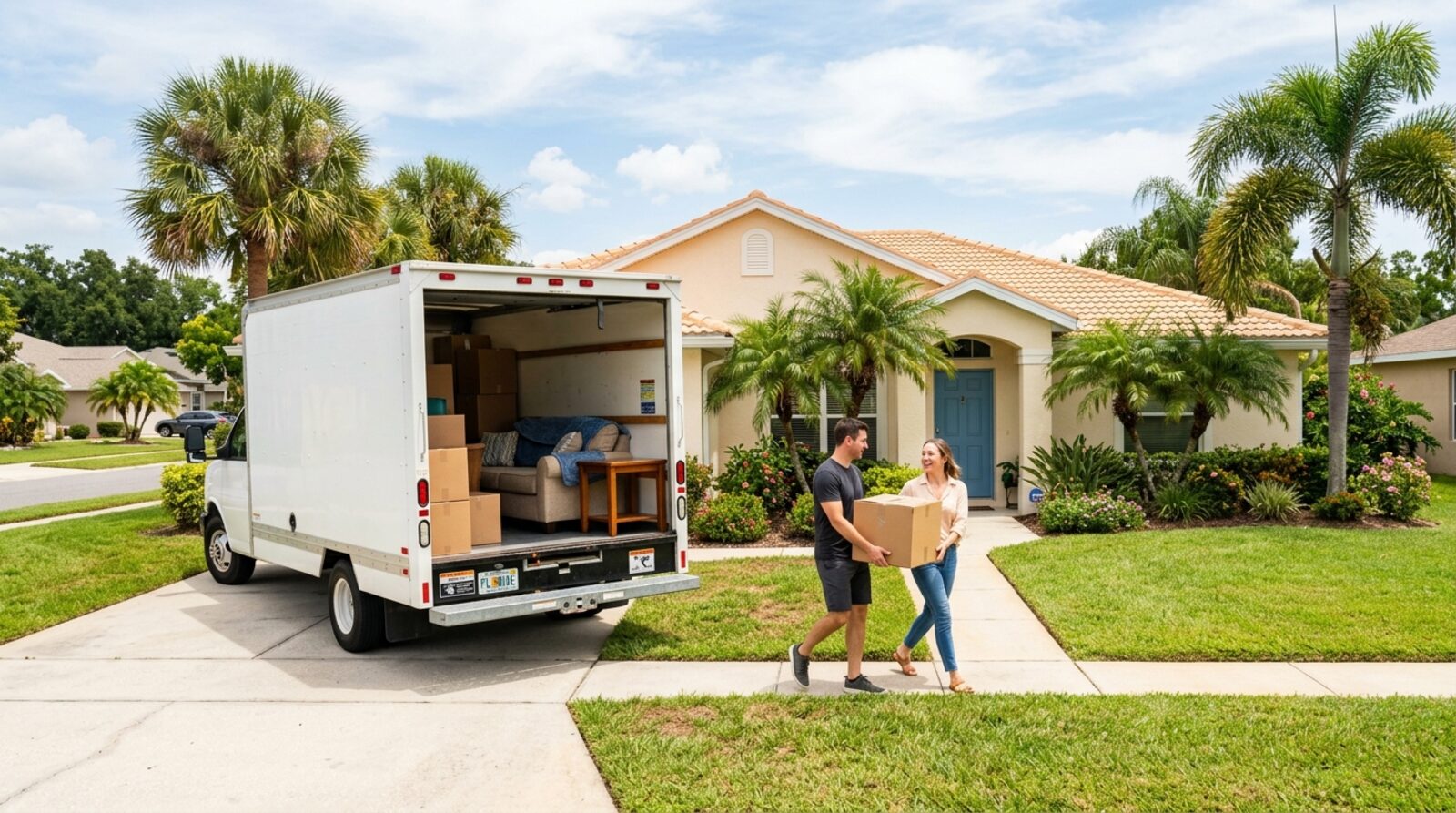
Tax savings and school quality. A household moving from New Jersey or New York and earning $150,000 saves roughly $10,000–$15,000/year in income tax from day one. Pair that with suburban neighborhoods like Oviedo, Lake Nona, and Winter Garden — where top-rated public schools are the norm, not the exception — and the value proposition is strong. The money saved on taxes often funds a meaningfully better home.
Healthcare, tech, and defense professionals. The Orlando metro is home to UCF's College of Medicine, a major AdventHealth and Orlando Health system presence, Lockheed Martin, L3Harris, and a growing tech cluster. The $6.5 billion medical city in Lake Nona has created a concentrated professional ecosystem. Unemployment in the metro sits at approximately 3.4%, below the national average, and these sectors aren't tourist-dependent.
Warm weather with lower storm risk than the coast. No state income tax means Social Security and pension income are not taxed at the state level. Year-round warm weather is the other draw. Inland Orlando carries materially lower hurricane risk than coastal Florida — not zero risk, but the difference between 120-mile-an-hour sustained winds and a Category 1 brushing is significant. If you want Florida without coastal exposure, Orlando's inland position is an asset.
Investors with a long-horizon horizon. Orlando's population growth is structural — driven by climate migration from the Northeast, job creation in healthcare and defense, and the continued draw of theme park and tourism infrastructure. Inventory constraints in desirable inner suburbs mean appreciation in neighborhoods like Dr. Phillips, Baldwin Park, and Winter Park has been durable across cycles.
Who Struggles in Orlando
People who need walkable, dense urban living. Orlando is not that city. Downtown Orlando has improved significantly over the past decade with the Creative Village development, the Milk District, and the Mills 50 corridor. But it's not Chicago's Loop, Brooklyn, or Capitol Hill. If your mental model of good urban living involves walking to a subway, living without a car, and having dozens of restaurants within two blocks, Orlando will disappoint you. Car dependency is structural, not temporary.
People with high heat and humidity sensitivity. June through September in Orlando is genuinely difficult weather. The heat index regularly exceeds 105°F. Humidity is subtropical. Outdoor activity during midday hours is uncomfortable for most and dangerous for vulnerable populations. Locals adapt — early morning runs, air-conditioned gym memberships, embracing the afternoon rainstorm that drops temperatures 10 degrees — but it's not something to dismiss. If you're coming from a moderate climate like the Pacific Northwest or New England and love outdoor sports year-round, the summer months will feel like four-month house arrest.
People who prioritize proximity to mountains, skiing, or ocean beaches. The Atlantic coast (Cocoa Beach, New Smyrna) is about an hour east. Gulf Coast beaches (St. Pete, Sarasota, Clearwater) are 60–90 minutes west. That drive is doable for weekend trips, and many Orlando residents do it regularly. But mountains don't exist within a day's drive. If your weekend identity is built around skiing, hiking at elevation, or living 10 minutes from the beach, Orlando requires a lifestyle adjustment.
The Tax Case (With Real Numbers)
Florida has no personal income tax. For high earners, this is the largest single financial variable in the relocation calculus.
A $200,000 household income saves approximately $15,000–$17,000/year versus New York or California. A $300,000 income saves $23,000–$28,000/year. Over 10 years, the compounding of that savings — invested or applied to a mortgage — is a significant wealth accumulation advantage. The savings don't require any lifestyle change; they happen automatically from January 1 after your move.
Property taxes run approximately 1.1% of assessed value. Florida's Homestead Exemption cuts the taxable value by $50,000 for primary residences and caps annual assessment increases at 3% for existing owners. Both benefits apply automatically once you file.
Weather: The Full Picture
Orlando averages 237 sunny days per year — significantly above the national average of 205. Winters are mild: December and January highs average 72°F, lows around 50°F. There is no meaningful winter weather. Frost is rare and brief. This is not an exaggeration designed to attract buyers — it's meteorological fact that reshapes how people use their time and space.
The counterweight is hurricane season, June through November. Orlando's inland position provides meaningful protection: the city is 60 miles from either coast, and storms weaken significantly after landfall. The 2004 season was an exception that affected the region; most years, Orlando experiences tropical rain and wind from passing systems rather than direct major hurricane impacts. Ian in 2022 hit the Fort Myers coast as a catastrophic Category 4 and caused inland flooding and wind damage in the Orlando area — property damage without the catastrophic loss of life and structure that the coast experienced.
Flood risk varies significantly by property and neighborhood. A flood zone determination is a material step in any Orlando purchase.
The Job Market
The Orlando metro economy is more diversified than the theme park employment its reputation suggests. Major employment sectors:
- Healthcare: Orlando Health, AdventHealth, and Nemours collectively employ tens of thousands. Lake Nona's Medical City has attracted international healthcare institutions and a research corridor.
- Defense and aerospace: Lockheed Martin, L3Harris, and Northrop Grumman have major presences in the metro. The proximity to Cape Canaveral and Kennedy Space Center anchors aerospace activity.
- Technology: EA, Siemens, and a growing mid-market tech community have built a meaningful presence. The UCF Research Park hosts over 150 companies.
- Tourism and hospitality: Walt Disney World, Universal, and SeaWorld collectively employ over 75,000 people in the metro. These jobs are real and they're stable, but they're concentrated in specific wage bands.
- Education: UCF, Valencia College, Rollins College, and the Florida system collectively employ and educate hundreds of thousands.
The 3.4% unemployment rate reflects a market that's absorbing migration-driven population growth without significant slack. Entry-level professional wages have lagged cost-of-living increases, which is a legitimate concern — the income-to-housing-cost ratio is tighter in 2026 than it was in 2020.
Culture, Diversity, and Daily Life
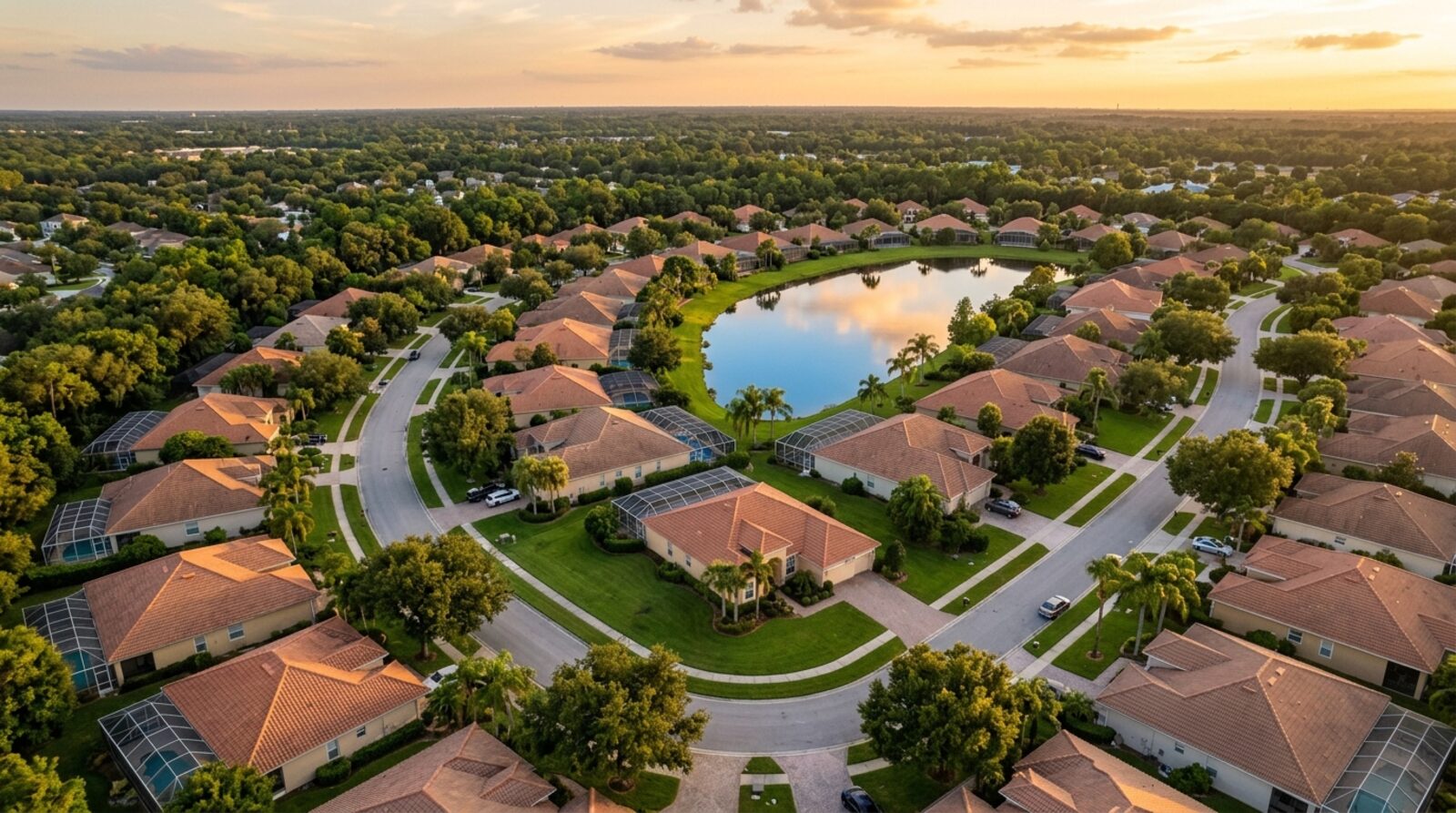
Orlando's restaurant scene is genuinely diverse — Peruvian, Colombian, Brazilian, Vietnamese, Indian, and West African restaurants are not novelties here; they're neighborhood institutions.
The arts and culture scene has matured. The Dr. Phillips Center for the Performing Arts anchors a downtown arts corridor. The Orlando Museum of Art is legitimate. The food and bar culture in the Mills 50 District, Thornton Park, and Baldwin Park is genuinely good.
What's real: most Orlando residents have a complicated relationship with the theme parks. They're a half-hour drive away and most locals go once every year or two, if at all. The tourist infrastructure that surrounds International Drive is effectively a different city layered into the same geography. You can live in Winter Park or Dr. Phillips and experience the theme park environment as rarely as someone living in an outer suburb of any other major city experiences its tourist district.
The Car Dependency Reality
This deserves direct treatment because it's frequently underweighted by relocators. I-4 connects the metro east to west and is functionally one of the country's most congested corridors during peak hours — the stretch from downtown to the attractions corridor is consistently ranked among Florida's worst traffic zones. The 417, 528, and 408 toll roads provide alternatives but add cost.
There is no meaningful public transit network that serves the suburban lifestyle most Orlando residents live. SunRail covers a narrow north-south corridor. Lynx buses exist but require planning that most car-oriented residents won't commit to.
The practical implication: budget two cars for most households. Budget for car insurance ($1,800–$2,800/year per vehicle in Florida). Budget 45–90 minutes per day in commute time if your work is not remote or locally positioned.
The Verdict
Orlando is a strong fit for: tax-motivated relocators from high-income-tax states, buyers prioritizing suburban school quality and space, professionals employed in healthcare, defense, or tech, and anyone who wants warmth without coastal storm risk.
It's a poor fit for: people who require genuine urban walkability and transit, those with serious outdoor sports commitments that require temperate summers, and anyone whose quality of life depends on avoiding a car.
The financial case for Orlando in 2026 is clearer than it's been in five years. The market has normalized from its 2022 peak, income tax savings are permanent, and suburban neighborhoods are delivering quality-of-life metrics that compare favorably to far more expensive markets.
Take the neighborhood quiz to figure out which specific area matches your priorities — the range from Oviedo to Winter Park to Horizon West is wide enough that neighborhood fit matters as much as city fit.
Frequently asked questions
- Is Orlando a good place to live in 2026?
- For most relocating buyers, yes — Orlando is a genuinely good place to live, particularly for buyers in tech and healthcare, and buyers from high-tax states. The core advantages: no state income tax (saving $10,000–$60,000/year depending on income), strong-rated suburban schools in the best neighborhoods, a diversified and growing job market (defense, aerospace, healthcare, tech, tourism), year-round outdoor living, and home prices that are competitive with comparable U.S. metros. The real trade-offs: full car dependency, brutal summer heat and humidity (June–September), no major league sports dynasty culture, and a dining/cultural scene that is good but not world-class compared to NYC or LA.
- What are the pros and cons of living in Orlando?
- Pros of living in Orlando: no state income tax; 230+ days of sunshine; strong-rated suburban schools in top neighborhoods; growing job market in healthcare, defense, aerospace, and tech; home prices competitive with comparable metros; year-round outdoor recreation (Butler Chain, beach access 1 hour away); Disney and Universal within 20–30 minutes; diverse, growing dining scene. Cons: extreme summer heat and humidity (90°F + 80% humidity, June–September); full car dependency with no meaningful public transit; hurricane season (June–November, though inland Orlando has low direct-hit risk); traffic congestion on I-4 and SR-535; tourist-corridor proximity shapes some neighborhoods' daily experience on weekends.
- What is the cost of living in Orlando in 2026?
- Orlando's cost of living is moderate relative to comparable U.S. metros. Housing is the primary expense: median single-family home prices around $390,000–$430,000, with top neighborhoods ranging $600,000–$1.5M+. Property taxes run 1.2–1.7% effective rate. Homeowners insurance for an inland home averages $4,000–$9,000/year depending on home age and location. No state income tax. Groceries and utilities are comparable to national averages; electric bills run higher due to year-round air conditioning (average $150–$250/month in summer). Overall, cost-of-living-adjusted, Orlando compares favorably to northeast or California metros — most relocating buyers find their effective standard of living improves despite similar or slightly lower nominal salaries.
- Is Orlando safe to live in?
- Orlando's safety varies dramatically by neighborhood. The suburban communities most commonly targeted by buyers — Winter Park, Dr. Phillips, Windermere, Lake Nona, Oviedo, Maitland — have crime rates that are low and comparable to other affluent U.S. suburbs. Gated communities within these areas add additional security. Central Orlando and some corridors near the tourist district have higher property crime rates. The practical guide: the communities consistently recommended for relocating buyers have low violent crime rates. As with any major metro, location specificity matters — 'safe in Orlando' means choosing the right neighborhood, not a blanket assessment of the entire city.
- How does Orlando compare to Tampa as a place to live?
- Orlando and Tampa are both strong Florida metros with different characters. Tampa has stronger waterfront access (Tampa Bay, Gulf beaches 45–60 minutes), a more vibrant downtown core (Channelside, Ybor City, Hyde Park Village), and a somewhat more urban feel. Orlando has a larger and more diversified employment base (Disney, Universal, defense/aerospace, UCF Medical), stronger suburban school infrastructure in its top neighborhoods, and lower hurricane risk (inland). Home prices are comparable — Tampa Bay's premium waterfront markets (South Tampa, Davis Islands) run higher than equivalent Orlando, but Tampa suburbs like Wesley Chapel or Land O'Lakes are slightly more affordable than comparable Orlando suburbs. Both are excellent choices; the decision usually comes down to specific employer location and waterfront preference.
The next step
Thinking about a move?
Whether you're two months out or two years out, the right information now saves real money later. Let's talk — no pressure, no pitch.