· Updated · By Ryan Solberg, Broker #BK3354351
Cost of Living in Orlando, FL: Complete 2026 Guide
The generic cost-of-living indexes rank Orlando as "slightly below average" nationally. That number is almost useless for someone actually planning a move. It averages a $400K...
Cost of Living in Orlando, FL: What the Numbers Actually Look Like in 2026
The generic cost-of-living indexes rank Orlando as "slightly below average" nationally. That number is almost useless for someone actually planning a move. It averages a $400K house in Horizon West with a $1.6M estate in Dr. Phillips, and it doesn't capture the insurance spike of the last three years, the real value of no state income tax, or what life inside a gated community actually costs per month.
Here's the real breakdown — by housing area, by expense category, and relative to the cities most Orlando transplants are coming from.
Housing: What You Get and Where
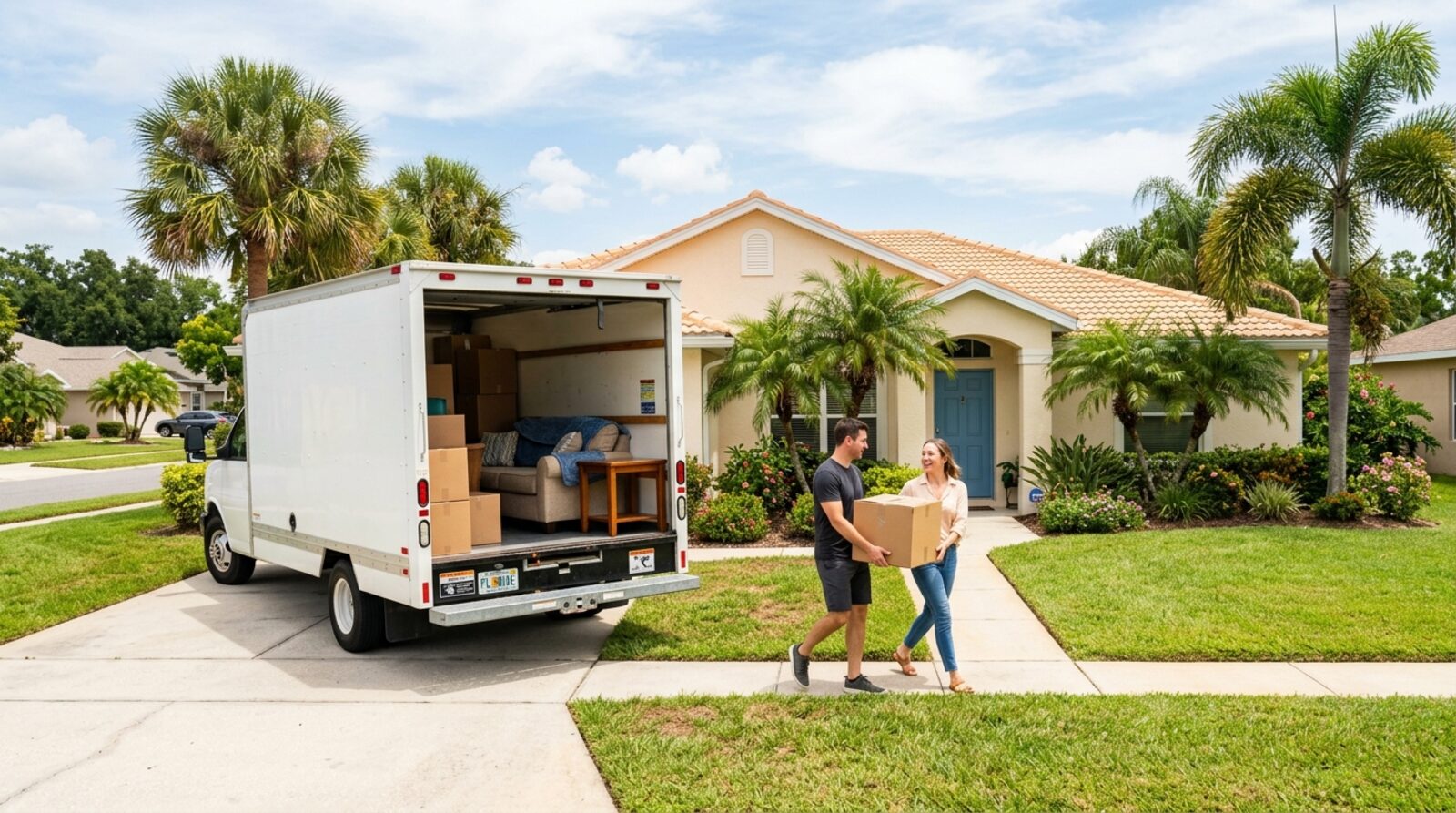
Orlando's metro is large enough that "Orlando housing costs" can mean three very different things depending on which zip code you land in. These are the ranges I work with daily:
Dr. Phillips / Southwest Orange County: $700,000–$2M for single-family homes. This is the established luxury corridor — Sand Lake Road, Bay Hill, Phillips Grove. Larger lots, older tree canopy, proximity to Restaurant Row and the USTA National Campus. Buyers coming from high-cost cities like New York or San Francisco find the price-per-square-foot here (typically $300–$450/sq ft) straightforward compared to their origin market.
Winter Park: $600,000–$1.5M for single-family. The Park Avenue district commands a premium, and lakefront homes along the Winter Park Chain of Lakes push to $3M+. Walkability, the Morse Museum, Rollins College, and some of the best public school access in Orange and Seminole counties anchor demand here.
Lake Nona: $450,000–$900,000 for single-family. The master-planned medical city southeast of the airport has absorbed enormous demand from hospital employees, traveling professionals, and buyers relocating for UCF Health, Nemours, and VA Medical Center jobs. New construction dominates. Entry-level townhomes start around $380,000.
Horizon West: $380,000–$650,000. The fastest-growing submarket in the metro, west of the Turnpike in the 34787 zip code. New construction is everywhere, and the community design — walkable village cores, A-rated schools, easy Disney access — makes it one of the most popular landing spots for out-of-state relocators.
Apopka / Ocoee: $320,000–$500,000. More land per dollar, longer drives to downtown employment, but some of the best value in the metro for buyers who work remotely or are willing to trade commute for square footage.
Rentals: A two-bedroom house or apartment in the suburbs runs $1,400–$2,000/month. In Lake Nona, Winter Park, or near downtown Orlando, expect $1,800–$2,600/month. New luxury construction in gated communities — Dr. Phillips, Lake Nona's medical district, Horizon West's newer phases — runs $2,500–$3,500/month.
HOA fees: In the gated communities that most transplants prefer, budget $200–$600/month. Entry-level gated communities in Horizon West and Apopka sit at $200–$300/month. Established luxury communities in Dr. Phillips and Windermere run $400–$700/month. Guard-gated estates and country club communities can exceed $1,000/month. Run the full monthly cost — PITI plus HOA — before you fall in love with a listing price.
Property Taxes: Better Than They Look
Orange County property taxes run approximately 1.0%–1.2% of assessed value per year, which lands at $4,500–$5,400/year on a $450,000 home. That's mid-range nationally — not Texas (1.7%+) and not Massachusetts (1.1% on much higher assessed values).
The homestead exemption matters. Florida homeowners who use a property as their primary residence qualify for an exemption of up to $51,411 on assessed value (2026), which saves roughly $500–$750/year in taxes. More importantly, Florida caps assessment increases at 3% per year (the Save Our Homes cap) for homesteaded properties — if your home appreciates 15% this year, your tax bill can't jump more than 3%. Buyers who've owned homesteaded properties for 5–10 years in an appreciating market see substantial tax savings vs. market-rate assessment.
The actual impact that rarely shows up in cost-of-living calculators: Florida has no state income tax. A household earning $150,000/year pays $0 in state income tax. In New York, that same household pays roughly $8,000–$9,000/year in state income tax. In California, $9,000–$10,000. In Illinois, $6,750. Move to Orlando from any of those states and your post-tax take-home effectively increases by $500–$850/month — before you compare a single grocery bill.
Insurance: The Number That Surprises Everyone
This is the honest conversation I have with every transplant, and it's the single biggest sticker shock in the Orlando market.
Homeowners insurance on a $500,000 single-family home in Orlando runs $3,000–$8,000/year, depending on the age of the home, roof type and age, proximity to water, and the carrier. Homes built after 2002 to updated Florida building codes fare better. A 15-year-old roof on an older home in a flood-adjacent neighborhood is the expensive scenario. The Florida insurance market has been volatile since Hurricane Ian (2022) drove several major carriers out of the state — rates have roughly doubled since 2020 for many property profiles.
Flood insurance is separate and not included in a standard homeowners policy. If your property is in a FEMA Special Flood Hazard Area, your lender will require it. Flood policies through the National Flood Insurance Program (NFIP) typically run $1,000–$4,000/year depending on flood zone designation and structure elevation. Even outside mandatory zones, I recommend buyers in low-lying areas carry it.
The honest monthly budget for a $500K home in a gated community: approximately $400–$700/month in combined homeowners and flood insurance, HOA, and property taxes — before your mortgage payment. Buyers who plan on the mortgage payment alone get caught.
Groceries and Everyday Expenses
Orlando tracks close to national averages for groceries and everyday expenses. Publix is the dominant chain across the metro — clean stores, reliable stock, competitive on staples. Costco, Target, Walmart, Sprouts, and Whole Foods are all well-represented in the growth corridors. Dining out runs slightly below major coastal cities: a sit-down dinner for two at a mid-range restaurant is $60–$90; the Dr. Phillips Restaurant Row has higher-end options at $100–$200/couple.
The no-income-tax reality shows up here too. Sales tax in Orlando (Orange County) is 6.5% — higher than some states, but you're not also paying 5–8% state income tax on top of it. The net tax burden for most middle and upper-middle-income households is lower in Florida than in any of the major donor states (New York, New Jersey, California, Illinois, Massachusetts).
Transportation: Budget for the Car, Not the Train
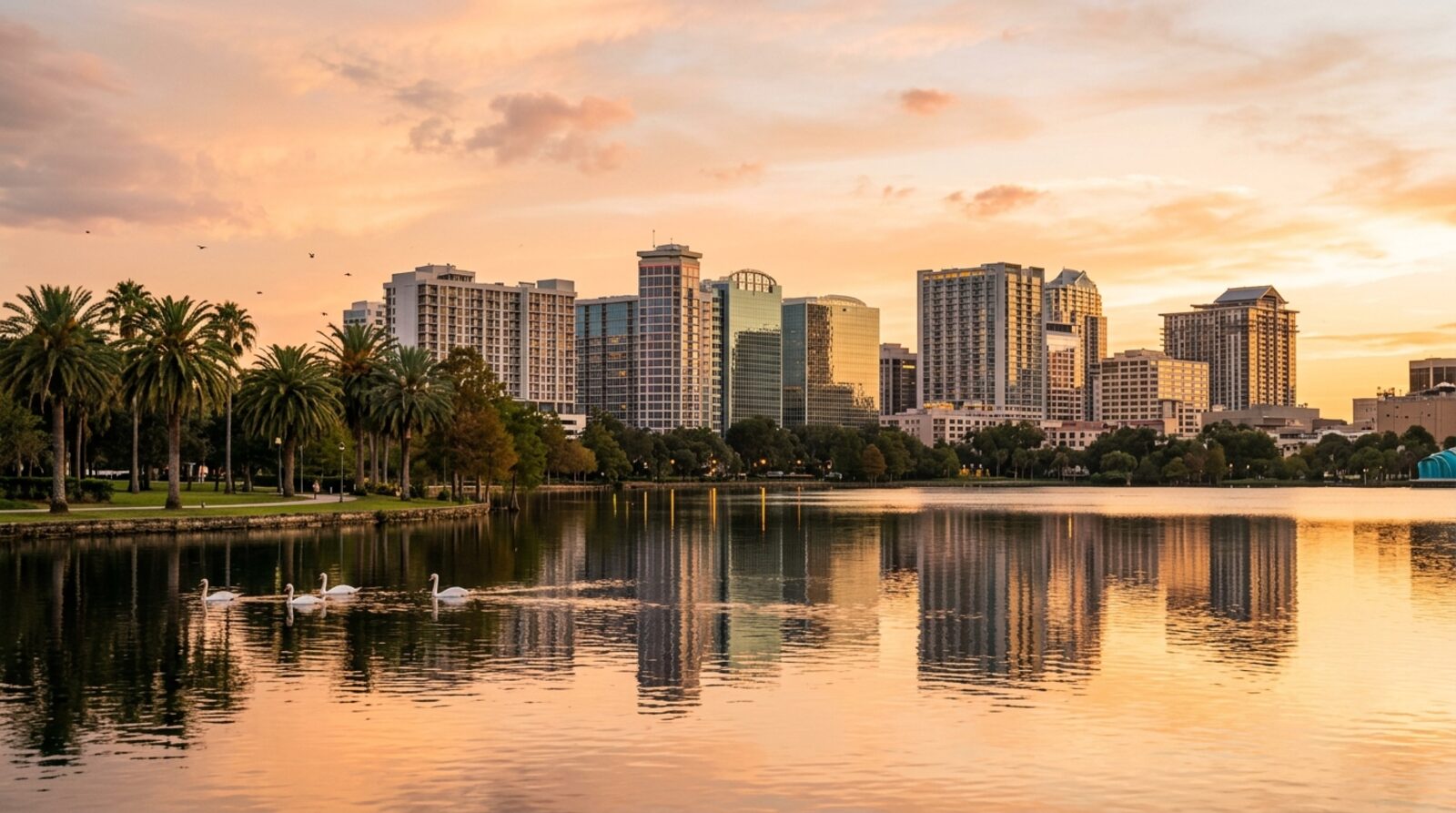
Orlando is car-dependent. SunRail commuter rail runs a north-south corridor and is used by some downtown employees, but the vast majority of the metro requires a vehicle for daily life. Gas prices in Orlando track within $0.10 of the national average. The real transportation cost is time and location.
I-4 between downtown Orlando and Walt Disney World is consistently ranked among the most congested stretches of highway in Florida. Buyers who want to live in Horizon West or Celebration and commute to downtown Orlando should plan 40–60 minutes each way in peak hours. This is not a small quality-of-life variable — it's a major factor in where to buy, and it's why neighborhoods with proximity to major employment nodes (Lake Nona for medical employment, Maitland/Altamonte for insurance and tech, downtown for legal/finance) command a premium.
Theme park access is a legitimate lifestyle consideration if you use the parks regularly. An annual pass to Walt Disney World runs $800–$1,400/year per adult at current pricing. Many Orlando residents budget $3,000–$5,000/year for theme park visits across Disney, Universal, and SeaWorld — it's a real line item.
Orlando vs. Comparable Cities
Orlando vs. Miami: Miami median home prices are 25–35% higher than Orlando for comparable square footage and neighborhood quality. Insurance costs are comparable, but Miami COAs and condo HOAs in luxury buildings are often $1,200–$2,500/month. Traffic in Miami consistently outranks Orlando. For buyers seeking suburban space with metro-level employment access, Orlando wins on value by a wide margin.
Orlando vs. Tampa: These two metros track closely on housing cost — Tampa's median prices are within 5–10% of Orlando's. Tampa has a stronger waterfront culture and shorter commutes in the core market. Orlando has more Fortune 500 employment presence and deeper healthcare/tourism sector diversity. If you're comparing these two, the decision usually comes down to lifestyle and employer, not cost.
Orlando vs. Jacksonville: Jacksonville runs slightly cheaper on housing in comparable neighborhoods, but the employment base is thinner and the amenity density is lower. For buyers choosing between the two, Orlando's job market depth and established suburban infrastructure typically win out.
Orlando vs. New York / Los Angeles / Chicago: The gap is dramatic. A $1.5M budget in the New York suburbs buys a dated 1980s colonial in a mediocre school district. In Dr. Phillips or Winter Park, it buys a 4,000–5,000 sq ft custom home with a pool in a gated community with A-rated schools. Add the state income tax savings of $15,000–$30,000/year for households earning $250,000–$400,000, and the annual cost-of-living delta is $40,000–$60,000+ in favor of Orlando. This math is why the migration numbers look the way they do.
The Real Cost of Your First Year in Orlando
The line items transplants miss most often:
Air conditioning: Your AC runs 9 months a year in Central Florida. Monthly electric bills of $200–$400 for a 2,000–3,000 sq ft home are normal June through September. Buyers from the Pacific Northwest or Midwest budget $80–$120/month based on home-state experience — the actual number is two to three times that.
Pest control: This is not optional. Florida humidity means ongoing termite and general pest pressure. Quarterly pest control service runs $120–$180/quarter. Termite bond coverage on a single-family home is $200–$500/year. Budget it in at purchase, not after your first ant column appears.
Hurricane prep: A basic kit (shutters or impact windows, generator, supplies) is a real first-year cost. Impact windows on a 2,500 sq ft home run $12,000–$25,000 installed — most buyers in older homes factor this into their renovation budget. Portable generator for power outages: $600–$2,000. This is a one-time cost, but it lands in year one.
Relocation itself: Moving a household from the Northeast or Midwest to Orlando typically runs $5,000–$15,000 for a full-service move. Budget $2,000–$4,000 in temporary housing overlap if you're buying simultaneously with your departure.
Pool maintenance: If the home you're buying has a pool (and in many Dr. Phillips, Lake Nona, and Horizon West communities, most do), budget $150–$250/month for weekly service.
The bottom line: Orlando is a genuine value relative to coastal gateway cities, with the added structural advantage of zero state income tax. The cost profile is different from the Midwest — insurance and HOA fees carry more weight than buyers expect — but the payoff in purchasing power, lifestyle, and long-term tax savings is real.
If you're working through these numbers for a specific move, I can walk you through the all-in monthly budget for any neighborhood you're considering. Reach out directly, or start browsing listings to anchor the conversation on real properties in your price range. If you're early in the research phase, the buyer guide covers the purchase process end-to-end.
The next step
Thinking about a move?
Whether you're two months out or two years out, the right information now saves real money later. Let's talk — no pressure, no pitch.