· 5 min read· By Ryan Solberg, Broker #BK3354351
Closing Day in Florida: What to Expect and What to Bring
Florida closings are handled by title companies, not attorneys — which surprises buyers from northeastern states. Here's exactly what happens the day you get your keys, and how to show up prepared.
You've survived the inspection, the appraisal, and two weeks of loan underwriting. Closing day is finally here. For most buyers, it's a blur of paper and signatures followed by a key handoff — but if you know what's coming, you can walk in calm and walk out with zero surprises.
Let me break down exactly how a Florida closing works.
Florida Is a Title State — Not an Attorney State
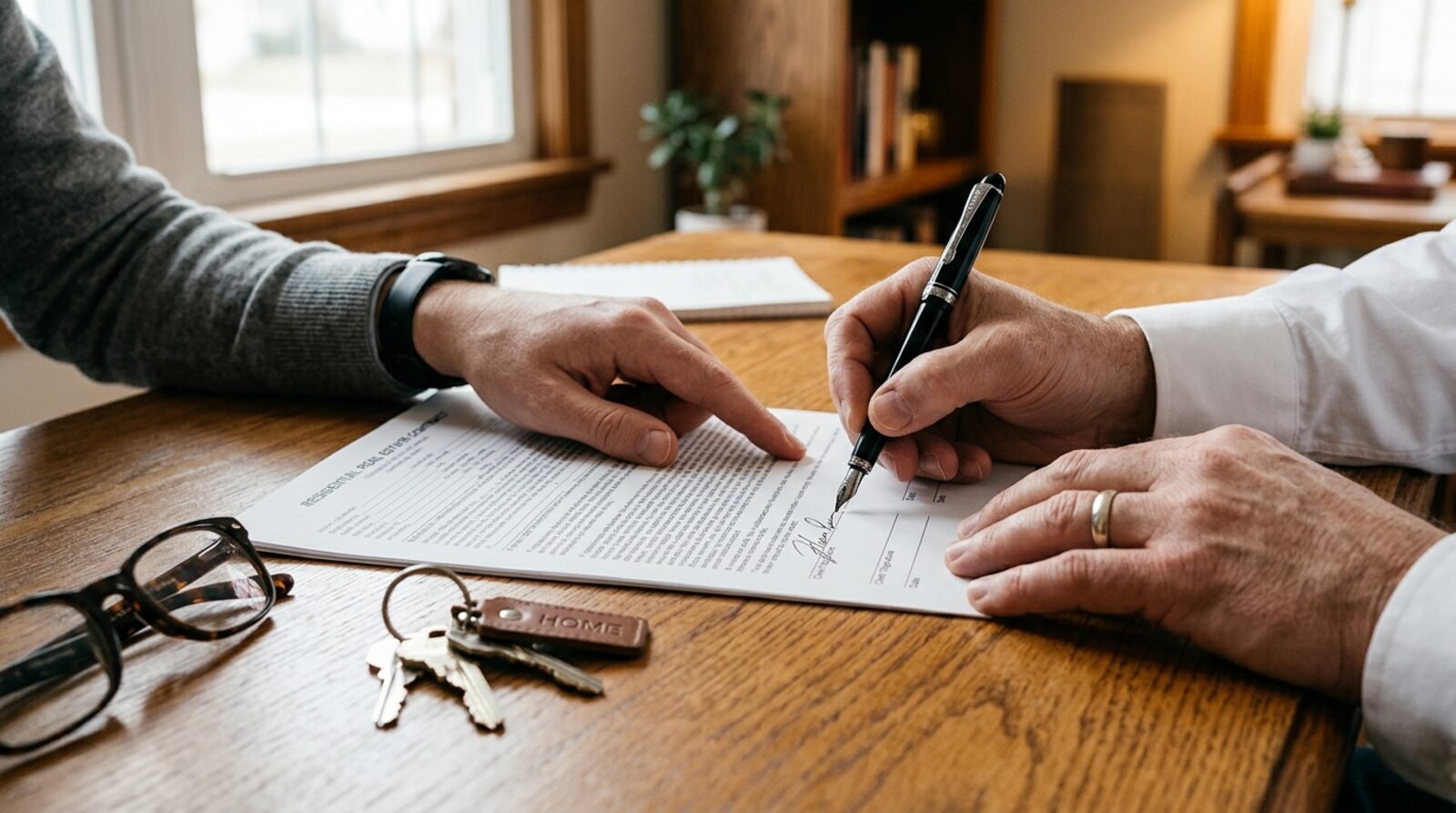
If you're moving from New York, Massachusetts, Georgia, or most of the Northeast, this will be the first thing that catches you off guard: Florida does not require a real estate attorney at closing. Here, closings are handled entirely by licensed title companies and their agents.
The title company serves as the neutral third party. They hold all funds in escrow, prepare and review the closing documents, facilitate the signing, issue title insurance, and disburse proceeds to the seller when everything is done. They're doing the legal heavy lifting — it's just that in Florida, they're title professionals, not attorneys.
One thing buyers often miss: in Florida, the buyer typically selects the title company, not the seller. This is negotiable in a contract, and it matters financially. The owner's title insurance premium is based on the purchase price and can vary between companies. You're allowed to shop it. If you're working with me, I'll make sure you get a quote before we lock one in — this line item alone can run $1,000 to $3,000+ on a mid-range purchase.
Read the Closing Disclosure Before You Show Up
Federal law (the TRID rule) requires your lender to deliver a Closing Disclosure at least three full business days before closing. Don't let it sit in your inbox.
The CD is a five-page breakdown of every dollar changing hands. Pull up your original Loan Estimate and compare the two side by side. The final numbers should match within the tolerances allowed by law — if something has shifted materially, your lender owes you an explanation before you're sitting at the closing table.
Specific line items to verify:
- Loan origination fees — these should not increase from your LE without a valid changed circumstance
- Title insurance — you'll see two policies listed: lender's title insurance (required by your lender, paid by you) and owner's title insurance (protects you, optional but strongly recommended)
- Prepaid interest — calculated as your per diem rate multiplied by the number of days remaining in the closing month; closings earlier in the month mean more prepaid interest due at closing
- Escrow impounds — upfront reserves for property taxes and homeowner's insurance that seed your escrow account
- Recording fees — paid to the county clerk to record the deed and mortgage; in Florida these run a few hundred dollars depending on the county
If a number looks wrong, call your loan officer the day before. Do not wait until you're in the chair.
What to Bring to the Closing Table
Government-issued photo ID. Driver's license or passport. Some title companies require two forms of ID, so bring both. Your name must match exactly what's on the loan documents.
Certified or cashier's check — or wire confirmation. This covers your cash to close: your down payment plus closing costs minus any earnest money already in escrow. Do not bring a personal check. Title companies in Florida won't accept personal checks above approximately $1,000. If you're wiring funds, that wire needs to arrive and be confirmed before the closing appointment — not during it. Call the title company the day before to confirm wire receipt.
Wire fraud warning, taken seriously. Wire fraud targeting real estate closings has cost buyers tens of thousands of dollars in minutes. The scam: fraudsters intercept email communication and send fake wiring instructions that look exactly like the real ones. Before you wire anything, call the title company directly — using a number you looked up independently, not one from an email — and verbally confirm the account number and routing number. Do this at least 24 hours before the wire goes out.
Spouses, take note. Florida has strong homestead protections. If you're married but purchasing property in your name alone, your spouse may still be required to sign a spousal affidavit at closing. Florida statute gives a spouse certain rights in a homestead property, and the title company needs to address it. Don't be surprised if your spouse gets pulled into the signing room even though they're not on the loan.
What Actually Happens in the Room
For a financed purchase, budget 45 to 90 minutes. Your title agent will walk you through a stack of documents one by one: the promissory note, the mortgage (called a deed of trust in some states, but simply a mortgage in Florida), the Closing Disclosure acknowledgment, the owner's affidavit, transfer documents, and the title insurance commitment. You'll sign somewhere between 40 and 80 pages total depending on your lender's package.
Cash purchases are faster — typically 15 to 30 minutes — because you're cutting out the entire loan document stack.
If you prefer not to be physically present, Florida has allowed Remote Online Notarization (RON) since 2020. It's fully legal and increasingly common. You sign digitally via a video call with a licensed online notary. Ask your title company whether they offer it.
The Final Walkthrough Is Not a Formality
Do not skip it. The final walkthrough typically happens the morning of closing or the evening before. You're there to confirm: the seller's belongings are out, all agreed-upon repairs were completed and completed correctly, no new damage appeared (move-out damage happens more than people expect), and all appliances listed in the contract are still in place and functioning.
If something is wrong at the walkthrough, you have real options. You can close and hold a portion of seller proceeds in escrow pending the repair. You can negotiate a credit. In a serious situation, you can push the closing date. What you should not do is wave it off and hope. That leverage disappears the moment you sign.
Keys and Possession
In Florida, possession transfers at closing — not at recording. Once the loan funds are confirmed and all parties have signed, you get the keys. The county clerk records the deed later that day or the next business day, but you don't need to wait for recording under a standard Florida contract. The house is yours when the money moves.
One More Thing: Do Not Mess With Your Credit
From the day you signed a contract to the day you close, treat your finances like you're being watched — because you are. Lenders run a soft credit pull right before funding. Opening a new credit card, financing furniture, or making any large purchase can change your debt-to-income ratio enough to trigger a problem. I've seen closings fall through on the morning of because a buyer picked up a car payment the week before. Keep everything flat until those keys are in your hand.
Questions before your closing? Reach out. That's what I'm here for.
How to Prepare for and Navigate Closing Day in Florida
What to do the week before, the day before, and the morning of your Florida closing — so you show up prepared and leave with zero surprises.
Step 1
Review Your Closing Disclosure 3 Business Days Before Closing
Federal law requires your lender to deliver a Closing Disclosure (CD) at least 3 business days before your closing date. Review every line — loan amount, interest rate, monthly payment, closing costs, and cash-to-close — against your most recent Loan Estimate. Flag any discrepancies to your lender and title agent immediately. Don't wait until closing morning.
Step 2
Wire Your Closing Funds (Don't Bring a Personal Check)
Most Florida title companies require wired funds or a certified cashier's check for amounts over $1,000. Do not bring a personal check. Initiate your wire 24–48 hours before closing to avoid same-day wire deadlines. Confirm the wire instructions directly by phone with the title company using a number you looked up independently — wire fraud via spoofed emails is the #1 residential real estate fraud vector in Florida.
Step 3
Do Your Final Walkthrough the Day Before or Morning of Closing
The final walkthrough is your last chance to verify the home is in the same condition as when you wrote the offer — appliances operational, agreed repairs completed, seller's belongings removed. If anything is wrong, flag it to your agent before you sit down to sign. Requesting credits at the closing table after you've wired funds is weak leverage.
Step 4
Bring Valid Government-Issued Photo ID
You need a valid, government-issued photo ID — driver's license or passport. If two buyers are on the title, both must be present or provide a notarized Power of Attorney in advance. Out-of-state IDs are accepted. The title agent will scan or copy your ID before the signing begins.
Step 5
Understand What You're Signing at the Table
Florida closings involve roughly 30–50 documents for a financed purchase. The major ones: the Closing Disclosure (cost summary), the Note (your loan terms), the Mortgage/Deed of Trust (lien on the property), the Settlement Statement, and the Deed. The closing agent will walk you through each. Cash closings are shorter — typically 15–20 minutes. Financed closings run 30–45 minutes.
Step 6
Confirm the Key Handoff Process With Your Agent
Keys, garage openers, mailbox keys, HOA access fobs, and gate codes are typically left by the seller at the property or handed to your agent at closing. Confirm this logistics chain in advance with your agent. Title records and officially takes place when the deed is recorded with the county — in Orange County, recording typically happens same-day or next business day after signing.
Frequently asked questions
- What happens on closing day when buying a house in Florida?
- On closing day in Florida, the buyer and seller (or their representatives) sign the closing documents at the title company's office. Florida is a title-state, not an attorney-state — a title company (not a real estate attorney) typically handles the closing. The buyer reviews and signs the Closing Disclosure, loan documents, and title transfer documents. The seller signs the deed and any payoff acknowledgments. After signing, the title company disburses funds: the lender wire is received, the seller's mortgage is paid off, commissions are disbursed, and net proceeds are wired to the seller. Keys are typically transferred after recording.
- How long does a Florida real estate closing take?
- A Florida real estate closing typically takes 45–90 minutes for a standard buyer with mortgage financing. Cash closings are faster — 30–45 minutes. The signing session involves reviewing the Closing Disclosure (which should match the Loan Estimate), signing the loan documents (typically 150–200 pages for a mortgage purchase), and executing the deed transfer. Buyers should review the Closing Disclosure carefully 3 business days before the closing date — the CD is delivered in advance specifically so closing day is not the first time you see the final numbers.
- What do I need to bring to closing in Florida?
- Florida buyers should bring to closing: government-issued photo ID (driver's license or passport — the title company verifies identity), a cashier's check or wire confirmation for the cash-to-close amount (personal checks are typically not accepted above a low threshold; most title companies require wires for amounts over $1,000), and any outstanding documents the lender requested. Buyers should confirm the exact cash-to-close amount with the title company the business day before closing — the figure can shift from the preliminary estimate based on pro-rated taxes and interest calculations.
- When do you get the keys after closing in Florida?
- In Florida, buyers typically receive keys after the deed has been recorded with the county property appraiser. In Orange County and most Central Florida counties, recording happens same-day or next business day after signing. The title company coordinates with the county recorder and notifies the buyer's agent when recording is confirmed. In most transactions, buyers receive keys the same afternoon they sign — but key transfer technically cannot occur until recording is complete, as the buyer does not legally own the property until the deed is recorded.
- What is the difference between signing and closing in Florida?
- In Florida real estate, 'signing' refers to the document execution session at the title company — where all parties sign closing documents. 'Closing' or 'funding' refers to when the lender releases the mortgage funds and the title company disburses all proceeds. In most Florida transactions, signing and funding happen the same day. The deed is recorded after funding. Occasionally, a lender requires a same-day or next-morning funding window after afternoon signing — in those cases, the buyer signs documents but keys are not transferred until the following business morning after recording confirmation.
The next step
Thinking about a move?
Whether you're two months out or two years out, the right information now saves real money later. Let's talk — no pressure, no pitch.