· Updated · 14 min read· By Ryan Solberg, Broker #BK3354351
Orlando Investment Property Guide 2026: Best Submarkets, Cap Rates, and How to Analyze a Deal
Orlando is one of the strongest residential investment markets in the Southeast in 2026. Here's a submarket-by-submarket breakdown of cap rates and rental yields, the four strategies that work, honest deal math, and how DSCR financing changes the picture.
7 Orlando Investment Corridors
Where the math works — by zip code
Three plays — yield, appreciation, hybrid. Read the cards before you decide what you're buying for.
MetroWest
Zip 32811
- Buy
- $350K – $550K
- Rent / mo
- $1,800 – $2,400
- Gross yield
- 6 – 7.5%
Healthcare + hospitality tenant base · Workhorse cash-flow market
East Orlando
Zip 32828 / 32829
- Buy
- $350K – $600K
- Rent / mo
- $1,900 – $2,600
- Gross yield
- 5 – 6%
UCF Research Park · Lockheed Martin Goldenrod · Newer construction
Casselberry / Longwood
Zip 32707 / 32750
- Buy
- $400K – $480K
- Rent / mo
- $2,000 – $2,500
- Gross yield
- 5 – 6.5%
Seminole schools · Siemens · IOA · Maitland office corridor
Lake Nona
Zip 32827
- Buy
- $500K – $800K
- Rent / mo
- $2,400 – $3,200
- Gross yield
- 5 – 7%
Medical City structural demand · Newer construction · Low maintenance
Explore neighborhood →
Winter Park
Zip 32789
- Buy
- $550K – $1.2M+
- Rent / mo
- $2,800 – $4,500
- Gross yield
- 3 – 4%
Park Ave · Rollins College · 6-lake chain · Top schools
Explore neighborhood →
Dr. Phillips / Butler Chain
Zip 32819
- Buy
- $600K – $3.5M
- Rent / mo
- $3,500 – $6,500
- Gross yield
- 3 – 4.5%
Relocating executives · Healthcare admin · Restaurant Row
Explore neighborhood →
Windermere
Zip 34786
- Buy
- $1M – $20M+
- Rent / mo
- $5K – $15K+
- Gross yield
- 2 – 3%
Lakefront estates · Keene's Pointe · Isleworth · Wealth preservation
Explore neighborhood →
Yield = annual rent ÷ purchase price, before taxes/insurance/management. Florida property tax + insurance typically runs 2–3% of purchase price/yr. Florida has no state income tax.
Most guides about Orlando investment property open with theme-park visitor counts. Here's the uncomfortable truth I tell every investor I sit down with: tourism is the floor, not the ceiling. The most durable reason to own a rental in Orlando in 2026 is structural population growth, a diversified job base, and no state income tax. Disney matters for one specific strategy. Everything else rests on people who live and work here year-round.
This is the consolidated guide. It absorbs the submarket data, deal math, and financing detail investors actually need, with cap rates and rental yields presented as honest ranges, not seminar fantasy. You'll get a 10-submarket comparison table, four strategy frameworks, two worked deal examples (including a negative-carry deal labeled honestly), and a plain-English walk through DSCR financing. Where you need to go deeper, I'll point you to the right page.
Key Takeaways
- Orlando's metro adds tens of thousands of residents a year, and employment now spans healthcare, defense, and tech - not just tourism.
- Long-term single-family rentals run 6-9% gross yield; net cap rates land at 4.5-7% by submarket (MaxLife Realty MLS analysis, mid-2026).
- At $500K+ with current rates, most deals are appreciation plays with negative monthly carry - underwrite them as such, not as cash flow.
- Osceola County is the only legal short-term rental corridor near Disney; verify STR legality at the exact address.
- DSCR loans qualify on the property's rent (1.2x coverage), which is why most Orlando investors use them.
Why Is Orlando a Good Real Estate Investment in 2026?
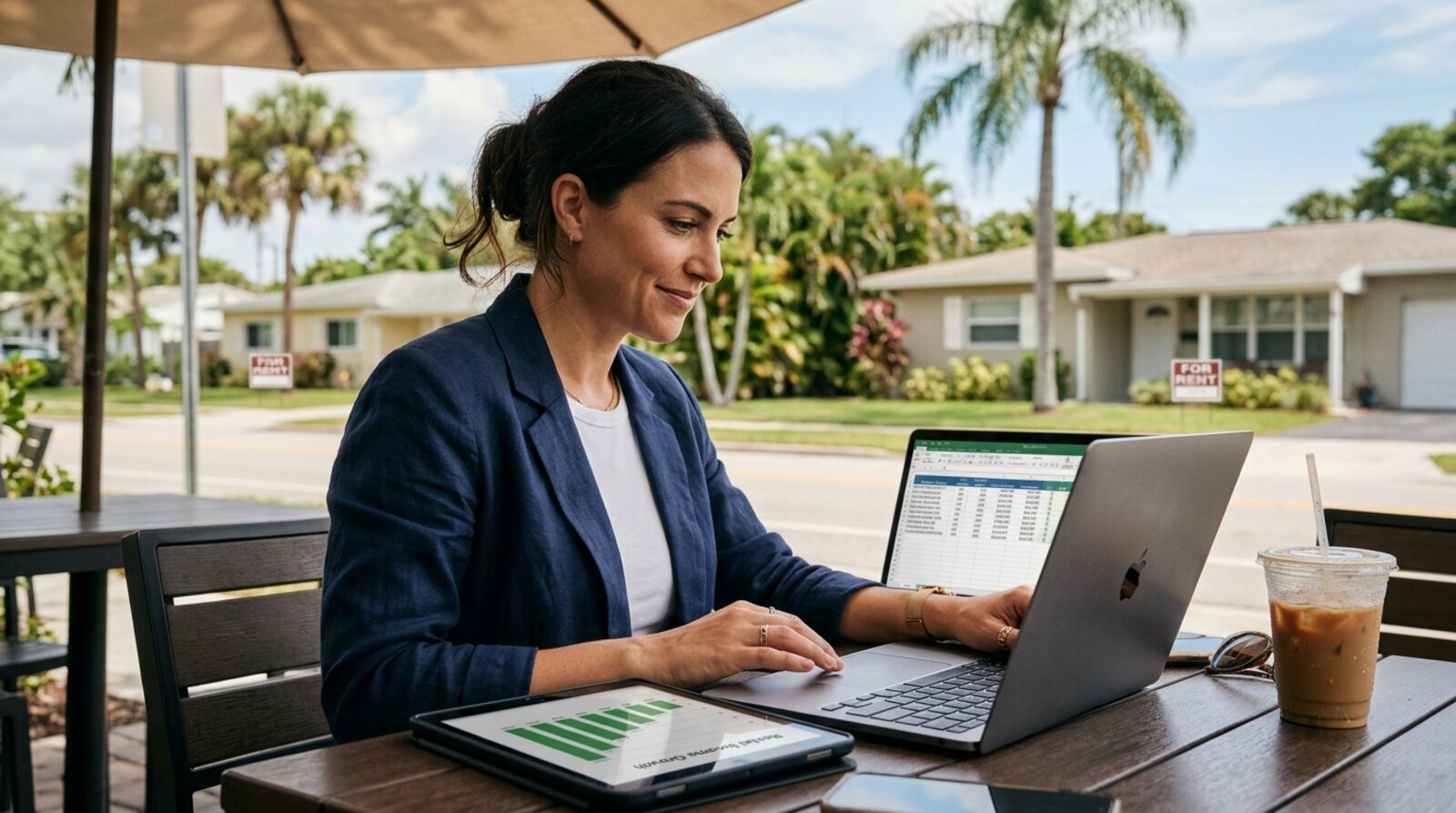
Orlando is one of the strongest residential investment markets in the Southeast in 2026, and the case rests on three pillars few US metros match at once. Florida draws several hundred to roughly 1,000 net new residents per day statewide (U.S. Census / Florida EDR), Orlando's metro adds tens of thousands of residents a year, and the region consistently ranks among the top five fastest-growing large metros in the country.
Population growth is structural, not speculative. The Orlando-Kissimmee-Sanford metro added more than 140,000 residents between 2010 and 2020 and has added about 284,000 more since the 2020 Census (roughly 57,000 a year), per Census estimates — though the pace slowed to 37,690 in the year to July 2025. People are relocating from California, New York, and Illinois for affordability, climate, and quality of life, and remote work has accelerated the trend. More residents means deeper tenant demand and persistent pressure on rents.
Employment diversified beyond the parks. Disney, Universal, and SeaWorld still employ roughly 75,000 people locally, but Lake Nona's Medical City now houses UCF's College of Medicine, Nemours Children's Hospital, the Orlando VA Medical Center, plus KPMG and Johnson & Johnson campuses. The defense and simulation cluster (L3Harris, Lockheed Martin, SAIC) and the UCF Research Park corridor add tens of thousands of stable, recession-resistant jobs. This diversification is exactly why Orlando behaves differently from Las Vegas in a downturn: when one sector wobbles, the others hold rental demand up.
No state income tax, balanced landlord law, and workable yields. Florida charges no state income tax on rental income and no state capital gains tax, which out-of-state investors from high-tax states routinely undervalue. Florida's Residential Landlord and Tenant Act (Chapter 83, Part II) is more balanced than New York or California, and eviction timelines are more predictable. The honest counterpoints: insurance has risen 20-35% since 2022, non-homesteaded property is taxed at full market value, and rates of 6.5-7.5% compress cash flow. None of that makes Orlando a bad market. It makes underwriting discipline essential.
Related: Orlando vs Tampa for investors.
Which Orlando Submarkets Have the Best Cap Rates and Rental Yields?
Workforce-housing submarkets carry the highest gross yields in metro Orlando - Poinciana and Pine Hills clear 8-9%+, while luxury markets like Windermere sit at 2.5-3.5% because buyers there pay for appreciation, not rent (MaxLife Realty MLS analysis, mid-2026). The table below is the single most important page in this guide. It maps ten submarkets across entry price, rent, yield, cap rate, and the demand driver that makes each one work.
| Submarket (Zip) | Typical Entry | Median Rent | Gross Yield | Cap-Rate Range | Notes |
|---|---|---|---|---|---|
| Poinciana (34758/34759) | $280K-$320K | $1,950-$2,200 | 8.1-9.1% | 6.0-7.5% | Cash-flow leader; Disney service-sector tenants; heavy new-build supply |
| Kissimmee (34741/34743) | $290K-$340K | $2,000-$2,300 | 7.7-8.9% | 5.8-7.2% | Tourism workforce; STR-hybrid potential on US-192 corridor |
| Buenaventura Lakes (34743) | $285K-$320K | $1,900-$2,200 | 7.7-8.9% | 5.8-7.2% | Osceola affordability; fast lease-up, bilingual tenant pool |
| Pine Hills (32808) | $250K-$280K | $1,700-$2,000 | 8.0-9.4% | 5.5-7.0% | Highest raw yield, highest management intensity; experienced investors |
| Apopka (32703/32712) | $300K-$420K | $1,900-$2,600 | 6.0-7.5% | 5.5-7.0% | Growth corridor along SR-429; less new-build competition |
| Oviedo (32765) | $360K-$480K | $2,200-$2,500 | 6.0-7.5% | 5.0-6.5% | Top Seminole schools; sticky tenants, low turnover |
| Winter Garden / Horizon West (34787) | $430K-$540K | $2,400-$2,900 | 5.5-6.5% | 5.5-6.5% | New construction, low early maintenance; supply risk to watch |
| College Park / SoDo (32804/32806) | $400K-$650K | $2,800-$3,400 | 5.0-6.5% | 5.0-6.5% | Urban infill; appreciation + BRRRR upside, older stock |
| Lake Nona (32827/32832) | $500K-$800K | $2,600-$3,400 | 5.0-6.0% | 3.5-4.5% | Medical City growth; appreciation-first, thin current yield |
| Windermere / Dr. Phillips (34786/32819) | $680K-$1.2M+ | $3,500-$6,500 | 2.5-4.0% | 2.5-4.0% | Luxury, wealth-preservation; rarely vacant, never cash-flow |
Read the table by your goal, not top-to-bottom. If you need monthly income, the top six rows are your hunting ground. If you're building 10-year equity, the bottom four matter more than year-one yield. I've watched investors anchor on the 9% Pine Hills line and ignore that its real-world vacancy runs 10-15% versus 5-7% in Poinciana or Oviedo - the gross number flatters a deal that needs a hands-on manager to actually deliver. If you want to drill down past the submarket level, see my breakdown of the best Orlando zip codes for investors.
What Are the Four Orlando Investment Strategies, and When Does Each Fit?
Orlando is really four investment markets stacked inside one metro boundary, and matching your capital and temperament to the right one decides your return more than any single property does. Roughly 60% of the investors I work with arrive set on the wrong strategy for their situation - usually chasing short-term rental yield they don't have time to manage. Here's when each fits.
Buy-and-Hold Long-Term Rental
Buy a single-family home, sign 12-month leases, hold 7-10 years for cash flow plus appreciation. This is the lowest-management, lowest-regulatory-risk path, and it works metro-wide. Target the $300,000-$450,000 tier in strong school zones (Oviedo, Winter Garden, Apopka, Kissimmee) where tenant quality is high and vacancy is low. Management runs 8-10% of rent, and 12-month leases are universally legal - no zoning surprises. Fits: patient investors who want predictable income and minimal headaches.
BRRRR (Buy, Renovate, Rent, Refinance)
Buy a dated property below market, renovate, rent it, then refinance to pull your capital back out and repeat. Orlando's BRRRR markets are the gentrifying urban infill corridors - College Park, SoDo, Conway, and Pine Castle - where 1950s-1980s stock trades below the renovated comps. A typical play: buy at $280,000, put $45,000 into kitchen, baths, and flooring, hit an after-repair value near $400,000, and refinance at 80% to recover most of your cash. Fits: hands-on investors with contractor access and a 6-12 month runway per deal.
Short-Term Rental (Airbnb / VRBO)
Buy in a legal STR zone, furnish it, and run nightly bookings for 12-20%+ gross yield. The catch is that STR is a business, not passive income, and it's legal only in Osceola County's Disney corridor (Reunion, ChampionsGate, Davenport, US-192) plus designated Orange County vacation zones. Management runs 20-28% of revenue, not 10%. We cover the regulatory detail below, but the full Orlando short-term rental playbook lives on its own page. Fits: investors who will actively manage (or pay a full-service manager) and have verified legality at the exact parcel.
Multifamily and House-Hacking
Buy a duplex, triplex, or fourplex, spread fixed costs across multiple rent streams, and - if you'll live in one unit - qualify with as little as 3.5% down on an FHA owner-occupied loan. True small multifamily is scarce in Orange County (older stock in SoDo, Conway, and Colonialtown moves fast), but the economics are the best per dollar of management effort because insurance, taxes, and the roof serve three or four rents instead of one. Fits: first-time investors short on capital (house-hack) and experienced operators wanting scale.
How Do You Analyze an Orlando Deal? Cap Rate, Cash-on-Cash, and the 1% Rule
Every Orlando deal comes down to four numbers, and the discipline that separates winners from over-payers is refusing to stop at gross yield. The 1% rule (monthly rent equal to 1% of price) is effectively dead in quality Orlando submarkets - a $400,000 home renting at $2,400 hits only 0.6%, and that's normal here, not a red flag. Here's how to run the real math.
The Four Numbers That Matter
Gross yield is annual rent divided by price - your first filter, nothing more. Cap rate is net operating income (NOI) divided by price, where NOI subtracts vacancy, management, taxes, insurance, HOA/CDD, and reserves. Cash-on-cash return is annual cash flow after the mortgage divided by your total cash invested. DSCR is NOI divided by annual debt service - the number your lender actually underwrites. A property can show a respectable cap rate and still fail DSCR, which is the most common reason a deal stalls at the lender.
Where New Investors Underwrite Wrong
After running the numbers on hundreds of Central Florida deals, the same five errors cost investors returns. First, vacancy: textbook 5% assumes 18 vacant days a year, but real turnover means 30-45 days plus make-ready - use 7-10% for single-family, 15-20% for STR. Second, maintenance: Florida's climate is hard on roofs and AC, so reserve 1-1.5% of value annually. Third, the CDD: new master-planned communities carry Community Development District assessments of $2,500-$5,000/year that are taxes, not HOA fees, and never go away. Fourth, insurance: get an actual quote, because inland single-family runs $3,000-$8,000. Fifth, appreciation without cash flow: a negative-carry property requires ongoing capital, so know you can fund the shortfall.
Worked Deal #1: Poinciana Cash-Flow Hold ($300K)
This is the kind of deal that nearly pencils with enough down payment. Numbers below assume a $300,000 4-bed home renting at $2,050.
| Line Item | Annual |
|---|---|
| Gross rent | $24,600 |
| Vacancy (7%) | -$1,722 |
| Property management (9%) | -$2,214 |
| Taxes + insurance | -$5,100 |
| Repairs / reserves (6%) | -$1,476 |
| Net Operating Income | $14,088 |
| Mortgage (25% down, 7%) | -$17,928 |
| Cash flow | -$3,840 |
At 25% down this runs a small negative ($320/month). At 30% down it's near breakeven; at 35% down it's positive by roughly $200/month. The unlevered cap rate is 4.7% on financed terms, and a cash buyer sees $14,088 NOI - a 4.7% return. This is an honest cash-flow-adjacent hold, not a guaranteed positive-cash-flow deal. The total return comes from principal paydown plus 2-3% annual Poinciana appreciation over a 7-10 year hold.
Worked Deal #2: Lake Nona Appreciation Play ($500K) - Negative Carry, Labeled Honestly
I'm showing this one because two older versions of this guide mislabeled a negative-cash-flow example under a "cash flow" heading. That's a contradiction, and I won't repeat it. This is an appreciation play with negative monthly carry - own the label. A $500,000 Lake Nona home renting at $2,750, financed at 20% down and 6.75%:
| Line Item | Annual |
|---|---|
| Gross rent | $33,000 |
| Operating expenses (taxes, insurance, mgmt, vacancy, reserves) | -$13,140 |
| Net Operating Income | $19,860 |
| Mortgage | -$31,920 |
| Cash flow | -$12,060 |
Year one you write a check for roughly $12,060. So why buy it? Because the thesis here is total return, not cash flow. Add about $5,200 of first-year principal paydown and roughly $25,000 of appreciation at Lake Nona's 5% growth pace, and the year-one total return is positive even while monthly cash flow is negative. Over a five-year hold, appreciation (about $138,000) and paydown can net well into six figures on $104,000 invested. The deal only works if you can comfortably fund the shortfall and you genuinely believe in the appreciation pace. If you need monthly income, this is the wrong property - full stop.
Related: browse current Orlando investment listings.
How Do You Finance an Orlando Investment Property? DSCR Loans Explained
Most Orlando investors finance with a DSCR loan, which qualifies on the property's rent instead of your personal income - and lenders typically require a 1.2x coverage ratio, meaning rent must cover 120% of the debt payment. That single feature is why DSCR has become the default tool for self-employed buyers and portfolio builders whose tax returns don't show "employee" income.
Conventional vs. DSCR Financing
Conventional investment-property loans require 20-25% down, run 0.5-0.75% above owner-occupied rates, and cap most borrowers at 10 financed properties. They also demand W-2s, tax returns, and a clean debt-to-income ratio. DSCR loans skip the personal-income underwriting entirely. The lender calculates the property's NOI, divides by annual debt service, and approves if the ratio clears their minimum - usually 1.2x.
DSCR Loan Specifics
| Feature | Typical DSCR Term |
|---|---|
| Down payment | 20-25% |
| Credit score | 650-700 minimum |
| Rate vs. primary residence | 0.75-1.5% higher |
| Coverage requirement | 1.2x DSCR (rent covers 120% of debt) |
| Documentation | No W-2s; property income qualifies |
| Approval timeline | 45-60 days |
Here's the part most guides skip: the 1.2x requirement is a built-in deal screen. Run a $500,000 purchase with $26,000 NOI against a $31,920 annual mortgage and you get a 0.81x DSCR - the lender declines it, and rightly so, because the property can't cover its own debt. DSCR underwriting quietly forces the discipline that protects you from a negative-carry deal you can't actually afford. If a property fails 1.2x, your only levers are higher rent, lower expenses, or a bigger down payment.
Related: estimate your home's value before a 1031 exchange.
Is Short-Term Rental Legal in Orlando? The Regulatory Reality
Short-term rental is legal only in specific zones, and getting this wrong is the fastest way to lose your investment thesis - Orange County fines for illegal STR run up to $2,500 per day per violation, and enforcement has risen sharply since 2022. The short version: Osceola County's Disney corridor is the legal home for Airbnb-style rentals near Orlando, and standard Orange County residential neighborhoods are not.
Three layers all have to say yes. County ordinance, municipal code, and HOA covenants each independently govern STR, and all three must permit it. Orange County applies a 30-day minimum to most residential zones; the designated Disney-area vacation corridor is the exception. Osceola County (Kissimmee, Davenport, ChampionsGate, Reunion, US-192) is the permissive corridor, but individual HOAs inside it can still ban short stays through their CC&Rs - which are enforceable even where zoning allows STR. Purpose-built resort communities like Reunion and ChampionsGate are the lowest-risk environments because their documents explicitly permit transient occupancy.
Licensing and enforcement. Every Florida STR needs a Department of Business and Professional Regulation (DBPR) vacation rental license plus a local business tax receipt, and the DBPR application requires proof of local compliance - which circles right back to the zoning question. The most common way I see investors lose earnest money is discovering during due diligence that the "vacation rental" they're buying sits in an HOA that quietly phased out STR. Read the CC&Rs and any STR amendment from the last five years, in writing, before you contract.
This is intentionally the short version. The complete Orlando short-term rental investment guide covers the full operational playbook: revenue modeling, seasonal occupancy curves, management structures, and community-by-community STR rules.
Should You Look Beyond Orlando? The Space Coast Option
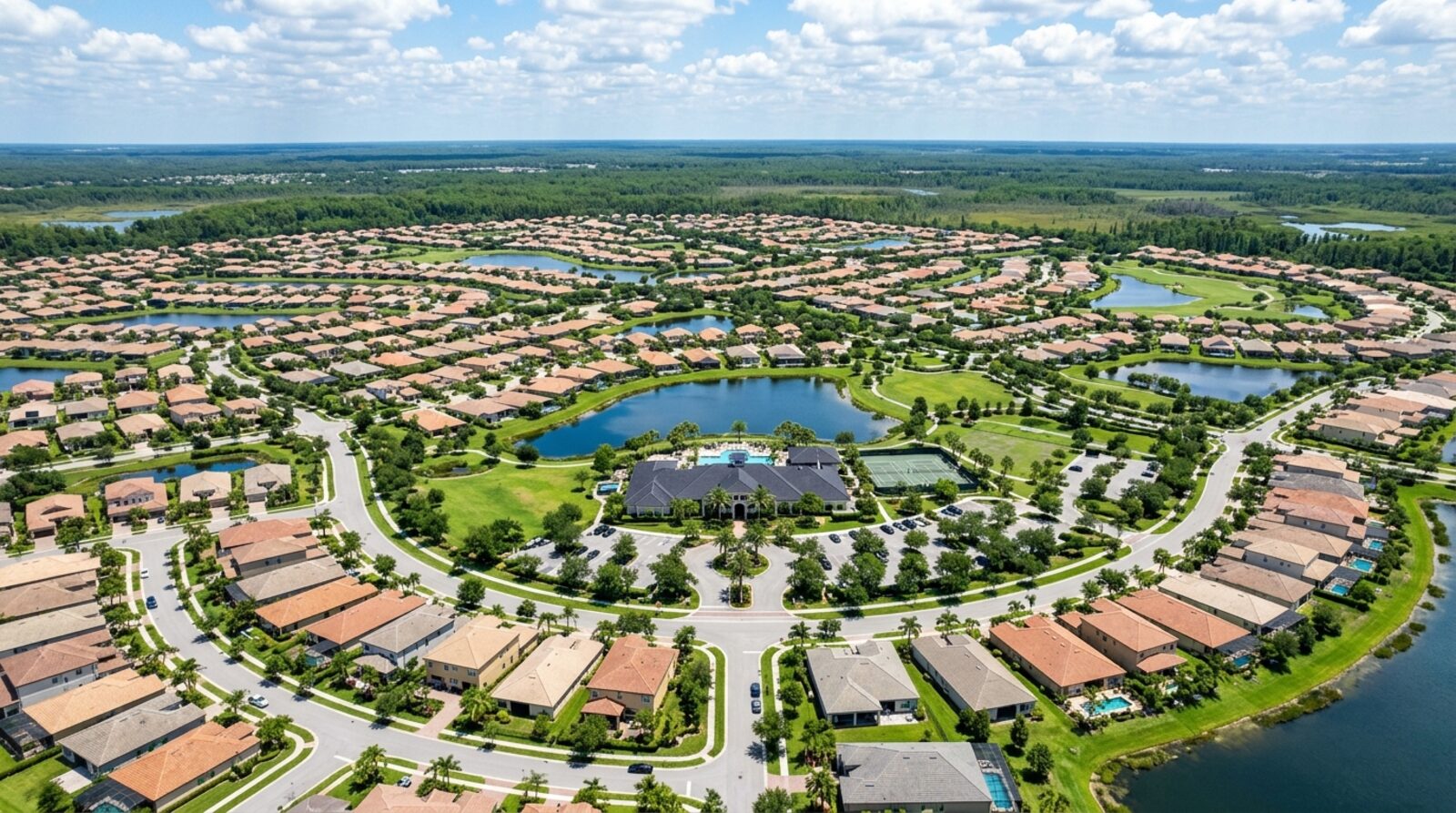
Investors who want stronger cash flow with stable tenants increasingly look 40 miles east to the Space Coast, where aerospace employment anchors demand and entry prices run lower than Lake Nona or Winter Garden. Viera (32940), for example, posts 7.1-8.1% gross yields with tenants from SpaceX, L3Harris, Lockheed Martin, and NASA contractors who stay two to four years - cutting turnover cost meaningfully (MaxLife Realty MLS analysis, mid-2026).
The trade-off is appreciation pace and commute distance from Orlando's core employment, but for a buy-and-hold investor prioritizing low turnover and A-rated Brevard County schools, the Space Coast deserves a serious look alongside Orlando proper. It's part of MaxLife Realty's one-hour service area, and the dynamics differ enough from Orange and Osceola counties to warrant their own analysis in my Space Coast investment property guide.
Investor Due-Diligence Checklist
Work this list during the inspection period on every Orlando investment acquisition, because investment due diligence goes well beyond a standard home inspection - and the items below are where deals quietly fall apart.
Financial and rental
- Trailing 24 months of actual rent collected (not asking rent)
- Current lease terms, expiration, and security deposit held
- Florida tenant rights on sale (a leased tenant may remain through the term)
- Property-management quotes from two or three local managers before closing
Regulatory
- Zoning confirms permitted use (long-term always fine; STR needs written confirmation)
- HOA CC&Rs reviewed for rental restrictions and STR prohibitions
- DBPR vacation rental license and local business tax receipt (if STR)
Cost surprises
- CDD assessment amount confirmed (taxes, not HOA; $2,500-$5,000/year possible)
- Actual insurance quote in hand before the inspection period closes
- Wind-mitigation report ($150-$200; often saves $400-$1,500/year)
- 4-point inspection (required by most insurers on homes 10+ years old)
Physical and risk
- Roof age (insurance threshold is typically 15 years) and HVAC age (12-15 year life in FL)
- No polybutylene/Kitec plumbing; no Federal Pacific or Zinsco panels
- Flood zone check (FEMA map) and comparable vacancy within one mile
Frequently Asked Questions
Is Orlando a good place to invest in real estate in 2026?
Yes. Orlando is one of the strongest residential investment markets in the Southeast, driven by tens of thousands of new metro residents a year, diversified employment in healthcare and defense, and no state income tax. Long-term rental gross yields run 6-9% in the $300K-$450K tier. The headwinds are higher insurance and full-market property tax on non-homesteaded property, so underwriting discipline matters more than it did in 2021.
What is a good cap rate for an Orlando investment property?
A fair net cap rate for single-family residential in Orlando's quality submarkets is 4.5-7% in 2026 (MaxLife Realty MLS analysis). Workforce markets like Kissimmee and Poinciana reach 6-7.5%; balanced markets like Oviedo run 5.5-6.5%; growth and luxury markets like Lake Nona and Windermere compress to 3-4.5% because buyers pay for appreciation. Florida single-family cap rates are structurally lower than many out-of-state investors expect.
Is Airbnb or short-term rental legal in Orlando?
Only in specific zones. Orange County applies a 30-day minimum to most residential districts, so neighborhood Airbnb violates code and carries fines up to $2,500 per day. The legal corridor is Osceola County - Kissimmee, Davenport, ChampionsGate, Reunion, and US-192 - plus designated Orange County vacation zones. Even in legal zones, HOAs can prohibit short stays, and a Florida DBPR license is required. Verify legality at the exact address.
What Orlando neighborhoods have the best rental yield?
The highest gross yields are in workforce submarkets: Poinciana (8-9%+), Pine Hills (8-9.4%, management-intensive), Kissimmee (7.7-8.9%), and Buenaventura Lakes (7.7-8.9%), with entry prices of $255K-$320K (MaxLife Realty MLS analysis). Yield isn't the whole story - Pine Hills carries higher vacancy and maintenance, while Viera on the Space Coast offers slightly lower yield with far more stable aerospace tenants.
How much do I need to buy an investment property in Orlando?
Budget 20-25% down plus closing costs. On a $400,000 purchase that's $80,000-$100,000 down plus roughly $10,000-$13,000 closing, so about $90,000-$115,000 total cash. DSCR lenders want a 650-700 credit score and 1.2x coverage. House-hacking a duplex with an FHA owner-occupied loan (3.5% down) is the lowest-capital entry, but you must live in one unit for the first year.
Run the Numbers Before Your Next Offer
Orlando rewards investors who underwrite honestly and penalizes those who assume appreciation will paper over thin numbers. Pick your strategy first, match it to the right submarket from the table above, run all four deal numbers, verify STR legality if that's your play, and line up DSCR financing that clears 1.2x. Do that, and Orlando's structural demand - population growth, diversified jobs, and no state income tax - works in your favor over a 7-10 year hold.
I work with investors across all four strategies, from a first duplex to a portfolio of single-family rentals. Bring me an address, and I'll pull current MLS comps, run the cash-flow or BRRRR math, and walk you through the due diligence that matters before you put earnest money at risk. The analysis should happen before the offer, not after. If you're still hunting for a starting point, our deals page screens active Central Florida listings against our own comp-based estimate every day and surfaces the ones currently priced below it - a faster first pass than scrolling Zillow by hand. And if you're still weighing metros, compare Orlando and Tampa for your next purchase before you commit.
Ryan Solberg is the broker at MaxLife Realty (FL Broker #BK3354351, NMLS #1784218) and owns investment property in Central Florida. Data reflects market conditions as of mid-2026; cap rates, yields, and appreciation estimates vary by property, condition, HOA, and market cycle. Every investment decision should include current comparable-sales analysis, actual insurance quotes, and consultation with a licensed accountant and attorney.
How to Analyze and Buy an Investment Property in Orlando
The framework for evaluating Orlando investment properties in 2026: pick a strategy, target the right submarket, run the deal math, verify STR legality, line up financing, and complete investor due diligence before closing.
Step 1
Define Your Strategy Before You Tour a Single Property
Orlando supports four distinct strategies, each with different location requirements and return profiles. Long-term rentals (12-month leases) work metro-wide with gross yields of 6-9% in the $300,000-$450,000 range. Short-term rentals (Airbnb/VRBO) are concentrated in Osceola County's STR-legal corridor near Disney with gross yields of 12-20% but heavy management. BRRRR (buy, renovate, rent, refinance) targets dated bungalows in College Park and SoDo. Appreciation holds in Lake Nona, Winter Garden, and the luxury tier accept thin or negative cash flow for equity growth. Pick one before you look at properties - the right deal for each is materially different.
Step 2
Target Submarkets by Strategy and Yield
Match the submarket to your strategy. For long-term cash flow: Kissimmee, Poinciana, Apopka, and outer Osceola County ($280,000-$420,000 entry, 6-9% gross yield). For balanced cash flow plus appreciation: Oviedo, Winter Garden, and Horizon West (new construction, A-rated schools, 5.5-6.5% cap). For growth-driven appreciation: Lake Nona's Medical City corridor. For BRRRR equity: College Park, SoDo, Conway. For short-term rental income: Reunion, ChampionsGate, and the US-192 corridor in Osceola County.
Step 3
Run the Deal Math Before You Make an Offer
Calculate gross yield first: annual rent divided by purchase price. Then build NOI by subtracting vacancy (use 7-10% for single-family, not the textbook 5%), property management (8-10% long-term, 20-28% short-term), property taxes (non-homesteaded investment property is assessed at full market value, roughly 1.4-2% effective), insurance ($3,000-$8,000/year inland), HOA and CDD fees, and a maintenance reserve (1-1.5% of value). Cap rate is NOI divided by price. Cash-on-cash is annual cash flow after debt service divided by total cash invested. Run all four numbers; do not stop at gross yield.
Step 4
Verify STR Legality at the Exact Address - All Three Layers
If you intend to operate a short-term rental, verify three layers before writing an offer: county ordinance, municipal code, and HOA covenants. Orange County applies a 30-day minimum to most residential zones - standard-neighborhood Airbnb is a violation carrying fines up to $2,500 per day. Osceola County's vacation corridor (Kissimmee, Davenport, ChampionsGate, Reunion) is the legal zone, but individual HOAs inside it can still prohibit short stays. A Florida DBPR vacation rental license and local business tax receipt are also required. Confirm STR is permitted at that specific parcel, in writing, during due diligence.
Step 5
Line Up Investor Financing - Usually a DSCR Loan
Investment-property mortgages require 20-25% down, carry rates 0.5-1.5% above owner-occupied loans, and apply stricter qualification. Most Orlando investors use DSCR (Debt Service Coverage Ratio) loans, which qualify on the property's rental income rather than your personal income - ideal for self-employed buyers and portfolio builders. Lenders typically require a 1.2x DSCR, meaning rent must cover 120% of the debt payment. If a deal falls below 1.2x, you either raise rent, cut expenses, or increase the down payment to qualify.
Step 6
Complete Investor-Specific Due Diligence and Set Up Management
Investment due diligence goes beyond a home inspection. Pull 24 months of actual rent collected (not asking rent), review any existing lease and Florida tenant rights on sale, confirm the CDD assessment (these are taxes, not HOA fees, and can run $2,500-$5,000/year), and get an actual insurance quote plus a wind-mitigation report before the inspection period closes. Interview two or three property managers in your target zip code before closing, not after - their vacancy rate, days-to-lease, and renewal rate tell you whether your cash-flow model holds.
Frequently asked questions
- Is Orlando a good place to invest in real estate in 2026?
- Yes. Orlando is one of the strongest residential investment markets in the Southeast in 2026. Florida draws roughly 1,000 net new residents per day statewide, Orlando's metro adds tens of thousands of residents a year, employment has diversified beyond tourism into healthcare, defense, and tech, and there's no state income tax to drag down after-tax returns. The headwinds are real - higher insurance, full-market property tax on non-homesteaded property, and cap rates compressed by the 2021-2022 price run-up - but the demand fundamentals remain intact. The best investor entry point is a $300,000-$450,000 single-family home in a strong school zone.
- What is a good cap rate for an Orlando investment property?
- A fair net cap rate for single-family residential in Orlando's quality submarkets in 2026 is 4.5-7%, depending on location and price tier (MaxLife Realty MLS analysis, mid-2026). Workforce-housing markets like Kissimmee and Poinciana run highest at 6-7.5%; balanced markets like Oviedo and Winter Garden run 5.5-6.5%; growth and luxury markets like Lake Nona and Windermere compress to 3-4.5% because buyers are paying for appreciation, not yield. Cap rate equals net operating income divided by purchase price - and Florida single-family cap rates are structurally lower than many out-of-state investors expect.
- Is Airbnb / short-term rental legal in Orlando?
- Only in specific zones. Orange County applies a 30-day minimum to most residential districts, so operating an Airbnb in a standard Orange County neighborhood violates county code and carries fines up to $2,500 per day. The legal short-term rental corridor is in Osceola County - Kissimmee, Davenport, ChampionsGate, Reunion, and the US-192 area - plus a few designated Orange County vacation-home zones. Even inside legal zones, individual HOAs can prohibit short stays, and the state requires a Florida DBPR vacation rental license. Always confirm STR legality at the exact address before buying for short-term rental.
- What Orlando neighborhoods have the best rental yield?
- The highest gross rental yields in metro Orlando are in workforce-housing submarkets: Poinciana (8-9%+), Kissimmee (7.7-8.9%), Buenaventura Lakes (7.7-8.9%), and Pine Hills (8-9.4%, but management-intensive). These markets pair affordable entry prices ($255,000-$310,000) with steady tenant demand from Disney-area service workers, healthcare staff, and renters priced out of Orange County. Yield is not the whole story - Pine Hills carries higher vacancy and maintenance, while Viera offers slightly lower yield but far more stable aerospace-sector tenants (MaxLife Realty MLS analysis, mid-2026).
- How much do I need to buy an investment property in Orlando?
- Budget 20-25% down plus closing costs. On a $400,000 purchase, that's $80,000-$100,000 down plus roughly $10,000-$13,000 in closing costs, so total cash in the deal is around $90,000-$115,000. Investment-property rates run 0.5-1.5% above owner-occupied loans, and DSCR lenders typically want a 650-700 credit score and a 1.2x debt-coverage ratio. House-hacking a duplex with an FHA loan (3.5% down on an owner-occupied two-to-four unit) is the lowest-capital way in, but it requires you to live in one unit for the first year.
The next step
Thinking about a move?
Whether you're two months out or two years out, the right information now saves real money later. Let's talk — no pressure, no pitch.