· Updated · 5 min read· By Ryan Solberg, Broker #BK3354351
Average Home Price in Orlando 2026: What Buyers Are Actually Paying
The median single-family home price in Orlando was about $436,000 in August 2026 (ORRA) — down about 6% from the 2022 peak of $465,000 and up significantly from pre-pandemic levels of $285,000.
The median single-family home price in Orlando was $436,456 in August 2026, and the condo and townhome median was $301,071, according to the Orlando Regional REALTOR Association. These figures represent a modest normalization from the 2022 peak of $465,000 — not a crash — and remain dramatically elevated versus the pre-pandemic $275,000 median in 2019. Here's what buyers are actually paying across every major submarket. (Already own a home here? The same closing comps set your value — get a free estimate of what your home is worth.)
Orlando Home Prices by Neighborhood and Area
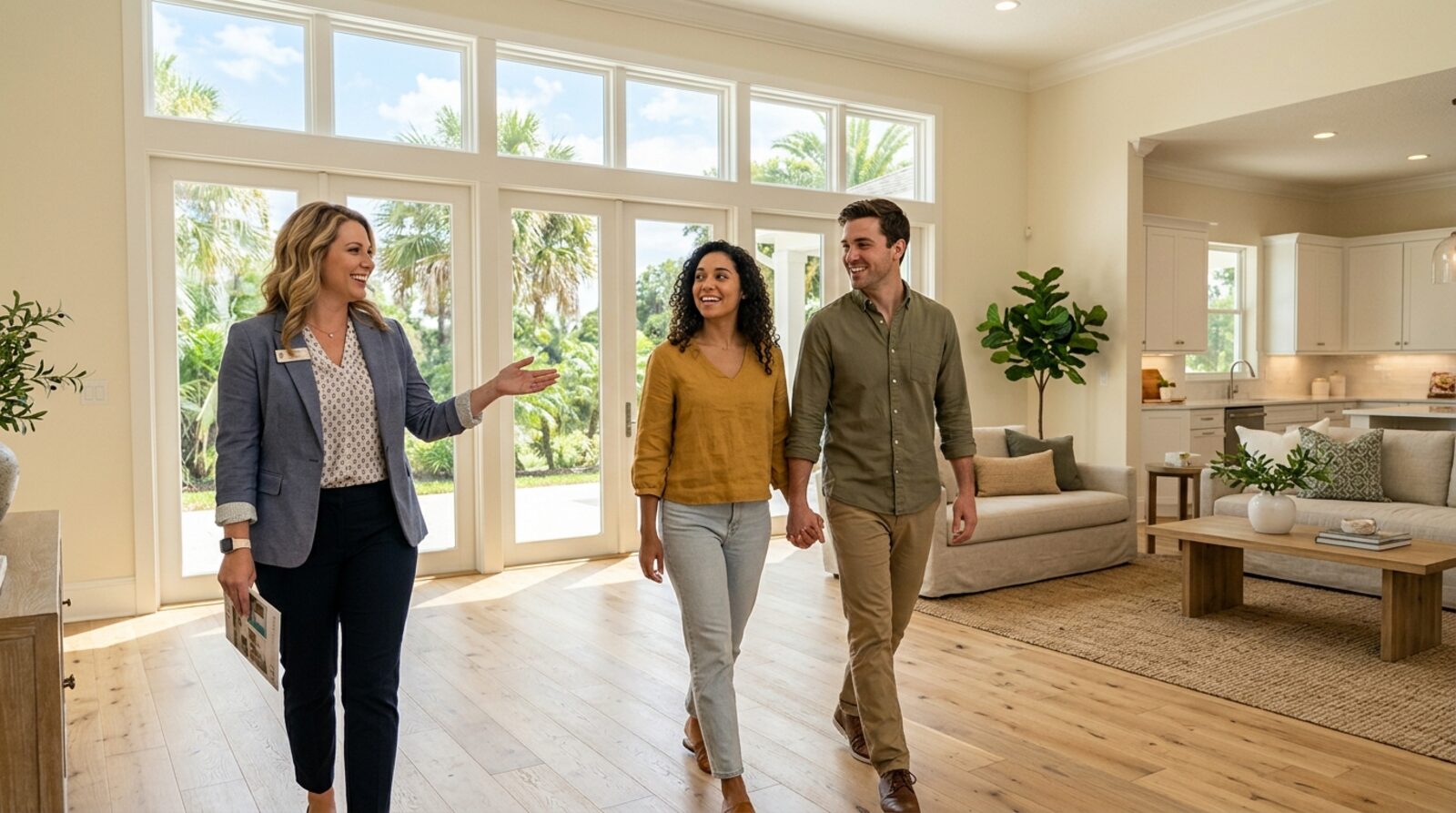
The "average" masks a $250,000–$4,000,000 range depending on where you're buying. The table below shows typical transaction prices by area — not asking prices, but where deals are actually closing.
| Area | Price Range | Notes |
|---|---|---|
| Downtown Orlando (condos) | $350,000–$650,000 | High-rise and mid-rise; HOA fees run $600–$1,400/month |
| Dr. Phillips | $700,000–$3,000,000 | Restaurant Row proximity premium; lakefront tops $3M |
| Windermere | $1,200,000–$5,000,000+ | Butler Chain entry-level around $1.2M |
| Lake Nona | $500,000–$1,500,000 | Medical City corridor; strong new construction |
| Winter Park | $700,000–$4,000,000 | Park Avenue premium; historic estate streets |
| Baldwin Park | $550,000–$1,200,000 | New urbanism; walkable village center |
| Celebration | $450,000–$1,200,000 | Disney-adjacent; strong rental demand |
| College Park | $400,000–$900,000 | Bungalows and colonials; Edgewater Drive corridor |
| Oviedo | $380,000–$800,000 | Seminole County schools; strong value per square foot |
| Winter Garden | $380,000–$750,000 | Downtown charm; Horizon West border |
| Horizon West | $430,000–$850,000 | Fastest-growing submarket; predominantly new construction |
| Maitland | $450,000–$1,000,000 | Established lakes; suburban walkability |
What the Numbers Mean in Context
The Orlando housing market has moved through three distinct phases since 2018:
Pre-pandemic (2019): Median $275,000. Rates averaged 3.9%. Monthly PITI on median home with 20% down was roughly $1,250. The market was healthy and accessible.
Peak (mid-2022): Median $465,000. Rates had climbed to 5.5%. The market overshot on demand from migration and institutional buyers. Homes routinely sold $20,000–$50,000 over ask with no inspections.
Current (2026): Single-family median $436,456 (ORRA, August 2026). Freddie Mac's 30-year average was 7.03% as of September 24, 2026. The market has corrected roughly 6% from peak on prices while inventory has normalized at 4.9 months of supply. Days on market have extended from under 10 to an average of 64 (ORRA, August 2026). Sellers are negotiating again. Buyers have inspection rights back.
This is not a crash. Orlando has strong population inflow, limited land constraints in desirable inner corridors, and a diversifying job base. The price floor has structural support. But the froth is gone, and buyers have leverage they haven't had since 2019.
Price Per Square Foot by Market Tier
Price per square foot is the most honest comparison metric across neighborhoods with different home sizes.
| Market Tier | Price/Sq Ft | Example Areas |
|---|---|---|
| Outer suburban / new construction | $175–$250 | Horizon West, Apopka, St. Cloud, Sanford |
| Established mid-range suburbs | $250–$350 | Oviedo, Winter Garden, Maitland, Altamonte Springs |
| Premium established neighborhoods | $350–$500 | Dr. Phillips, Baldwin Park, College Park, Winter Park entry |
| Luxury and lakefront | $500–$800+ | Winter Park estate streets, Windermere, Dr. Phillips lakefront |
| Downtown high-rise condos | $350–$600 | Depending on floor, view, and building vintage |
A 2,200 sq ft home in Horizon West at $230/sq ft runs $506,000. The same square footage in Winter Park at $450/sq ft runs $990,000. The difference is school district, walkability, architectural character, lot position on a lake, and the premium that comes with established demand.
What You Get at Each Price Point
Under $400,000: Your options are either new construction in the outer ring (Apopka, Sanford, St. Cloud, Davenport) or older homes in inner-city neighborhoods that may need updating. In Oviedo and Winter Garden, $380,000–$400,000 gets you a 3-bed, 2-bath from the early 2000s in solid condition.
$400,000–$600,000: The sweet spot for established suburban living. Oviedo, Horizon West, and Winter Garden deliver 4-bed, 2.5-bath homes with good schools in this range. Closing at $520,000 in Lake Nona gets you a 2019 or newer townhome or a smaller single-family in the Medical City footprint.
$600,000–$900,000: You're now in Dr. Phillips, Lake Nona's better streets, Baldwin Park, and College Park's premium blocks. Expect 2,400–3,500 sq ft, updated kitchens, and neighborhood desirability that holds value through market cycles.
$900,000 and above: Winter Park's historic estate streets, Dr. Phillips lakefront, and Windermere entry-level. At $1.2M you're looking at Butler Chain of Lakes frontage in Windermere or an Olde Winter Park home on a brick street. Above $2M is genuinely custom — no comparables cluster there by accident.
Wherever you land on this ladder, browse current Orlando listings to see what's actually on the market in your range right now.
The Condo Market: A Separate Conversation
The Orlando condo median of about $301,000 (ORRA, August 2026) obscures a market in active stress. Post-2022 reserve study requirements (modeled after the Surfside building collapse legislation) have raised HOA fees significantly in older buildings — some 1980s and 1990s towers have seen fees increase 40–80%. Several buildings have special assessments outstanding.
Buyers purchasing condos below $350,000 in buildings older than 2000 should budget for elevated HOA fees and scrutinize the reserve fund position carefully before closing. The HOA financials are a material disclosure item, not a formality.
New condo and townhome construction — primarily in Lake Nona, Horizon West, and the College Park/Edgewater corridor — doesn't carry these legacy reserve issues and is priced accordingly at $350,000–$500,000.
Run the Mortgage Math on Any of These
Knowing the price is step one. Understanding what each price point costs per month — factoring in your down payment, rate, property tax, and insurance — is what converts a price number into a real decision.
The mortgage calculator runs the full PITI for any price and down payment combination. Plug in the areas above that match your budget and see exactly what you're committing to each month before you book a showing.
Frequently asked questions
- What is the average home price in Orlando in 2026?
- The median single-family home price in Orlando was $436,456 in August 2026, and the condo and townhome median was $301,071, according to the Orlando Regional REALTOR Association. These figures are modestly below the 2022 peak of $465,000 and remain significantly above the pre-pandemic 2019 median of approximately $275,000. The 'Orlando metro' median includes all of Orange, Seminole, Osceola, and Lake counties — prices in the most desirable neighborhoods (Winter Park, Dr. Phillips, Windermere) are substantially above this metro-wide median.
- What do homes cost in Orlando's top neighborhoods in 2026?
- Median home prices by neighborhood in 2026: Winter Park ($900,000–$1.1M for desirable school zone SFH), Windermere ($800,000–$1.1M), Dr. Phillips ($600,000–$850,000), Lake Nona ($550,000–$750,000), Maitland ($650,000–$900,000), Oviedo/Seminole County ($450,000–$650,000), Horizon West ($400,000–$580,000), and East Orlando/Waterford Lakes ($350,000–$500,000). Waterfront properties in any of these communities command an additional 30–150% premium depending on lake size and chain access.
- How do Orlando home prices compare to other Florida cities in 2026?
- Orlando's single-family median (~$436,000 as of August 2026) is lower than Miami-Dade (~$640,000), comparable to Tampa-St. Pete metro (~$410,000–$440,000), higher than Jacksonville (~$340,000), and significantly lower than Naples-Collier County (~$650,000+) and Palm Beach County (~$600,000+). Within the state, Orlando represents a mid-market price point with better school infrastructure than Jacksonville, lower insurance costs than coastal South Florida, and comparable price-to-income ratios to Tampa. For buyers choosing between Florida metros, Orlando's combination of price, employment, and school quality is compelling.
- What is the price per square foot in Orlando in 2026?
- Price per square foot in 2026 varies significantly by submarket: entry-level East Orlando and Kissimmee run $185–$220/sq ft; mid-market Dr. Phillips, Lake Nona, and Oviedo run $230–$280/sq ft; premium Windermere and Maitland run $270–$340/sq ft; Winter Park runs $350–$450/sq ft for standard SFH; lakefront properties on the Butler Chain or Winter Park Chain run $400–$700+/sq ft depending on frontage and water quality. New construction typically runs $20–$40/sq ft higher than comparable resale due to builder premiums and current material costs.
- Will Orlando home prices go up or down in the next year?
- The Orlando market consensus for late 2026 and 2027 is modest appreciation in the 2–4% range, assuming mortgage rates remain in the 6.5–7% corridor. If rates decline materially (to 5.5–6%), the pent-up demand from buyers waiting on the sidelines would push appreciation higher, potentially 5–8%. If rates stay elevated or increase, prices are likely to remain flat to slightly positive. The downside scenario (broad price declines) is considered unlikely given Orlando's employment growth, population inflow, and constrained new construction supply in the most desirable school zones. No one can guarantee future appreciation; the best case for buying is your personal financial readiness and length of planned ownership (5+ years).
The next step
Thinking about a move?
Whether you're two months out or two years out, the right information now saves real money later. Let's talk — no pressure, no pitch.