· 8 min read· By Ryan Solberg, Broker #BK3354351
Can a Seller Back Out of a Real Estate Contract in Florida?
You accepted an offer, signed the contract — and now something's changed. Maybe you got a higher offer the next day. Maybe the home you were going to buy fell through and you...
You accepted an offer, signed the contract — and now something's changed. Maybe you got a higher offer the next day. Maybe the home you were going to buy fell through and you have nowhere to go. Maybe you're just having second thoughts. The question is suddenly urgent: can I back out?
The honest answer for Florida sellers is: usually not — at least not without consequences. But the full picture has important nuances, and a few legitimate exits. Here's exactly where you stand.
The default rule: a signed contract is binding
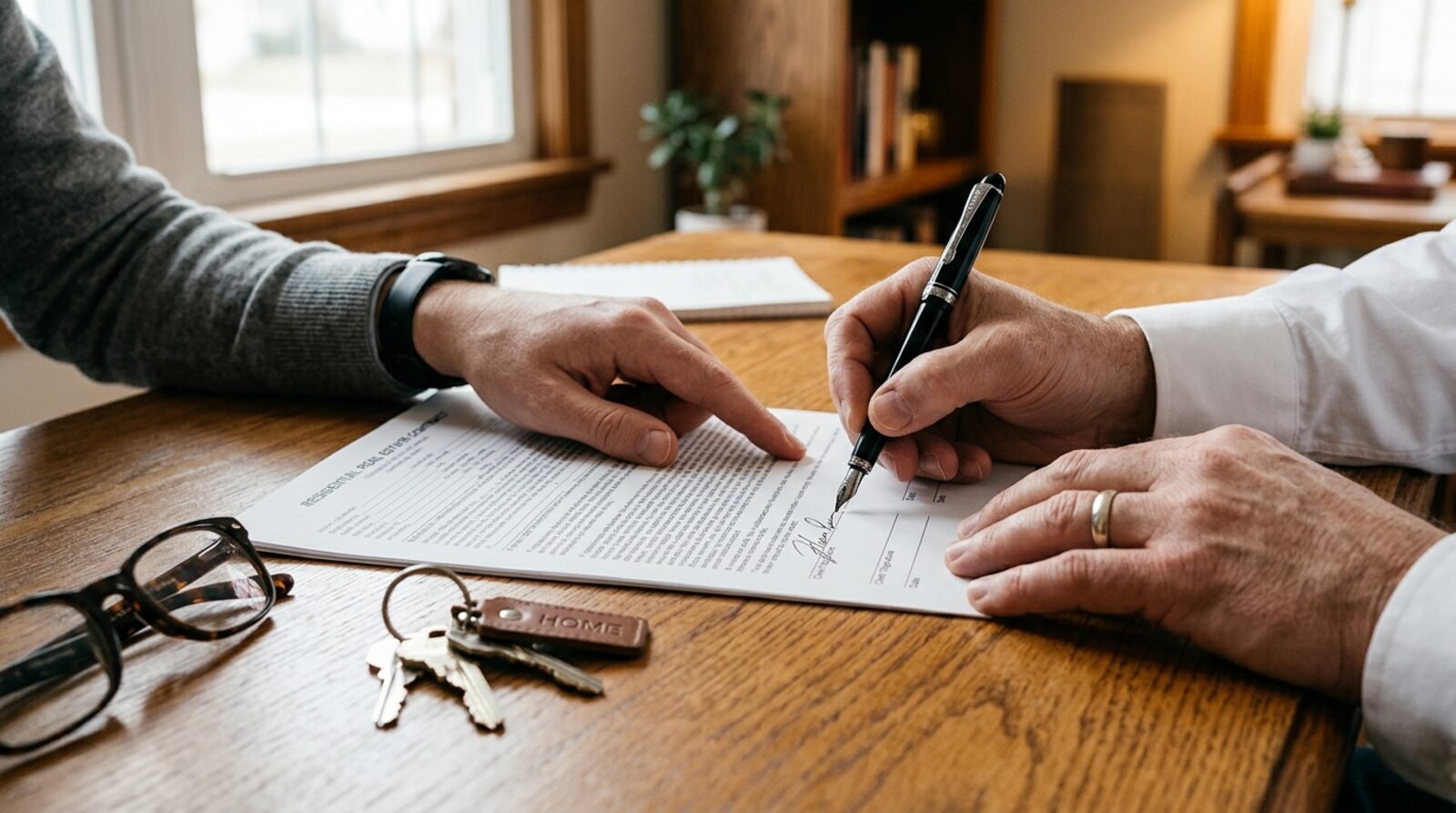
Once a Florida purchase-and-sale contract is fully executed — signed by both buyer and seller, and delivered back — you have a legally binding agreement. That means the reasons people most often want to back out are not valid legal grounds to do so:
- "I got a higher offer." ❌
- "I changed my mind." ❌
- "I think I underpriced it." ❌
- "My circumstances changed." ❌ (with narrow exceptions, below)
A buyer who has done everything right has bargained for your specific home, and the law takes that seriously. You can't simply walk away because a better deal showed up.
The reason real-estate contracts are hard for sellers to escape is the same reason they protect you when the buyer is the one who tries to bail: a deal is a deal, and both sides are meant to be able to rely on it.
The contingencies that let people cancel almost always belong to the buyer
Here's a point that trips up a lot of sellers. The famous "outs" in a contract — the inspection period, the financing contingency, the appraisal contingency — are written to protect the buyer, not you.
- The inspection period lets the buyer cancel after inspecting the home (on a Florida "As-Is" contract, for any reason). It does nothing for the seller.
- The financing contingency lets the buyer cancel if they can't get their loan.
- The appraisal contingency protects the buyer if the home appraises low.
As the seller, you generally don't have parallel escape hatches built into a standard contract. So when a seller asks "can I use the inspection period to get out?" — no, that's the buyer's tool.
The narrow situations where a seller can cancel
There are legitimate exits. They're specific:
1. A contingency written in your favor fails. The main example is a "suitable replacement home" (or sale-and-purchase) contingency — a clause that makes your sale dependent on you successfully finding or closing on your next home. If that contingency was negotiated into the contract and the condition isn't met, you may be able to cancel per its terms. The catch: it only works if it was actually written into the contract before signing. (This is exactly why, if you're buying and selling at once, you plan for it up front — see how to sell and buy a home at the same time.)
2. The buyer defaults. If the buyer fails to meet their obligations — doesn't deliver the earnest money on time, blows a contractual deadline, or otherwise breaches — you may have the right to cancel and pursue remedies. This is the most common legitimate path to terminating a deal.
3. The contract was never fully executed. If you signed but the fully-signed contract hadn't yet been delivered back, or you'd made a counteroffer that the buyer hadn't accepted, a binding agreement may not exist yet — meaning there may be nothing to "back out" of. Timing and delivery matter here, and it's fact-specific.
4. Mutual release. The cleanest exit of all: ask the buyer to agree to let you out. Buyers sometimes will — especially in exchange for something, or if they've cooled on the home. If both parties sign a release, the contract is unwound by agreement.
In every one of these, have a Florida real estate attorney review your actual contract before you act. The specific wording and deadlines decide whether you have a right to cancel or are about to breach.
What it costs to back out without a valid reason
If you breach a binding contract — cancel without a legal basis — Florida's standard contracts give the buyer real teeth:
- Specific performance. Because every property is considered legally unique, a buyer can ask a court to order you to complete the sale. This is a remedy buyers genuinely use against sellers who try to walk for a better offer.
- Money damages. The buyer can sue for the costs and losses your breach caused them — inspection fees, appraisal, temporary housing, even the difference if they have to buy a comparable home for more.
- Return of earnest money. At a minimum, the buyer's deposit comes back to them.
- Your own costs. Litigation is slow and expensive, and you may owe attorney's fees depending on the contract.
And note the asymmetry on earnest money: you don't get to keep the buyer's deposit by canceling. Forfeited earnest money is your remedy when the buyer defaults — not a payment you make to escape. (More on deposits in earnest money in Florida.)
How to avoid ever needing to back out
The best strategy is to not get into a contract you'll want to escape. Before you sign:
- Price it right and be sure you want to sell. Don't list to "test the market" if you're not committed — get an accurate read on your home's value first so your list price reflects reality. (See the home pricing guide.)
- Build in the contingency you actually need. If your sale depends on finding your next home, negotiate a suitable-replacement-home contingency into the contract up front — don't assume you can wiggle out later.
- Mind your timeline. Coordinate your sale and purchase so you're not forced into a corner. (Selling and buying at the same time covers leasebacks, bridge loans, and contingencies.)
- Read before you sign. Understand the FAR-BAR default and remedy provisions, and ask your agent or attorney about anything you don't.
The bottom line
For a Florida seller, a fully signed contract is a commitment, not a maybe. You can't cancel just because you found a better offer or got cold feet — and trying can cost you the sale anyway (via specific performance) plus damages. Your legitimate exits are narrow and contract-specific, which is exactly why the time to protect yourself is before you sign, with the right contingencies and the right guidance.
If you're weighing an offer and want to make sure the terms protect you — or you're already in a contract and unsure where you stand — let's talk it through (and loop in an attorney where needed).
Talk to Ryan about your sale · Get a free home valuation
Ryan Solberg | MaxLife Realty | Orlando, FL
This article is general information, not legal advice. Whether you can cancel a specific contract depends on its exact terms — consult a Florida real estate attorney before acting.
Frequently asked questions
- Can a seller back out of an accepted offer in Florida?
- Generally, no — not once the contract is fully executed (signed by both parties and delivered). At that point it's a binding agreement, and 'I changed my mind' or 'I got a better offer' are not legal grounds to cancel. A seller can only back out cleanly in limited situations: a contingency written into the contract in the seller's favor wasn't met, the buyer defaulted or missed their own deadlines, the contract was never fully executed, or the buyer agrees to release you. Otherwise, walking away exposes the seller to real legal and financial consequences.
- What happens if a seller backs out of a contract?
- If a seller breaches a binding contract without a valid reason, the buyer has powerful remedies under Florida's standard contracts. The buyer can sue for specific performance — asking a court to force the seller to complete the sale — because each property is considered unique. The buyer can also seek monetary damages and recover costs. At minimum, the seller typically must return the buyer's earnest money. Backing out wrongfully is expensive and slow, which is exactly why it's rare.
- Can a seller keep the buyer's earnest money if they cancel?
- No. Earnest money is the buyer's deposit, held in escrow. Forfeiture of earnest money is the seller's remedy when the buyer defaults — it does not flow the other way. If the seller is the one who backs out, the earnest money is returned to the buyer, and the seller may owe additional damages on top. A seller canceling does not get to keep the deposit.
- When can a seller legally cancel a real estate contract?
- A Florida seller can usually cancel only when: (1) a contingency written in the seller's favor fails — for example, a 'suitable replacement home' contingency if one was included; (2) the buyer defaults, such as failing to deliver earnest money or missing a contractual deadline; (3) the contract was never fully executed and delivered, so no binding agreement exists yet; or (4) both parties sign a mutual release. Outside those, canceling is a breach. Always have a Florida real estate attorney review your specific contract before attempting to cancel.
The next step
Thinking about a move?
Whether you're two months out or two years out, the right information now saves real money later. Let's talk — no pressure, no pitch.