
Hyde Park
South Tampa's most storied address — century-old architecture, walkable to the bay, and still the standard everyone else measures against.
Live the MaxLife.
$1.1M
Median Price
$600K – $5M
1,200
Homes
$0–$300
Monthly HOA
1886
Established
Mitchell Elementary (K–5, Hillsborough County A-rated)
School Zone
Hyde Park — Market Pulse
Active listings + recent-sold aggregates from the Stellar MLS, 33606 area · aggregate statistics only, no addresses or individual listings published.
Search Homes for Sale in Hyde Park
First access
Get notified when a Hyde Park home hits the market.
VIP members see new Hyde Park inventory 48 hours before Zillow.
Background
A brief history
Hyde Park's story begins with Henry Plant, the railroad magnate whose Tampa Bay Hotel (now the University of Tampa) opened in 1891 and transformed a backwater into a destination. Plant's construction crews and the entrepreneurs who followed them needed somewhere to live, and the oak-shaded blocks south and west of the Hillsborough River provided it. By the turn of the 20th century, Hyde Park had become Tampa's most fashionable residential address — a grid of deep lots and wide sidewalks lined with Victorian-era homes, Queen Anne cottages, and the early Craftsman bungalows that a prospering merchant class could afford to build carefully.
The neighborhood's fortunes tracked Tampa's through the boom of the 1920s, when Mediterranean revival architecture joined the Victorian stock and the city grew fast enough that buyers who might have built in Hyde Park were spreading to Davis Islands and Palma Ceia instead. By mid-century, Hyde Park had aged into a transitional neighborhood — beautiful bones, but divided into rooming houses and student rentals as the Tampa Bay area suburbanized. The revival came in the 1970s and 1980s with a wave of historic preservationists who bought the deteriorated homes cheap and restored them with architectural fidelity that had gone out of fashion for decades.
Hyde Park Village, the outdoor retail and dining complex anchored by Williams-Sonoma, Pottery Barn, and Restoration Hardware, opened on Swann Avenue in 1990 and completed the transformation. The project gave the neighborhood a commercial heart that reinforced rather than replaced its residential character, and the combination of walkable retail, Bayshore Boulevard access, and top-rated schools locked Hyde Park into its current position as Tampa's most consistently prestigious zip code.
The feel
What it's like to live here
Hyde Park operates at a different scale than Tampa's master-planned communities. The lots are narrower and deeper than anything built after 1960, the streets are sometimes brick-paved, and the tree canopy is old enough to arc completely over two-lane roads and create a tunnel effect that is genuinely unusual for Florida. The neighborhood rewards walking in a way that most of Tampa does not — residents walk to Hyde Park Village for dinner, walk to Bayshore for the Saturday morning run, and walk to the Epicurean Hotel for a cocktail. That walkability is not incidental; it is the product of a street grid laid out before the automobile, and it creates a social density that feels more like a Northern city neighborhood than a Florida suburb.
Buyers here are usually buying for aesthetic reasons rather than just an investment thesis. If you work at Tampa General Hospital a mile south or at the downtown courthouses, the commute is short. A growing number of buyers sell a larger suburban home in Westchase or New Tampa, bank equity, and buy a smaller but more architecturally interesting Hyde Park property. The neighborhood has almost no turnover in the traditional sense; people tend to stay until life circumstances force a move.
The details
What to expect
Architecture
Hyde Park has more architectural diversity in a 6-block radius than most Tampa neighborhoods have across their entire footprint. Victorian Queen Anne, Folk Victorian, Craftsman bungalow, Colonial Revival, and Mediterranean Revival structures coexist on the same blocks without visual chaos because the unifying elements — deep setbacks, mature tree canopy, continuous front porches, and a consistent scale of two stories or less — create coherence. The neighborhood has local historic district designation on several blocks, which means exterior changes require review by the Tampa Historic Preservation Commission. That review process adds 60–90 days to renovation timelines but also protects your investment from a neighbor stripping architectural detail or adding an incompatible addition. If you are buying a home needing renovation, budget 20–30% more than you would in a non-historic property to source period-appropriate materials and work with contractors familiar with the commission's standards.
Lifestyle
A Hyde Park lifestyle centers on the walkable triangle formed by Hyde Park Village, Bayshore Boulevard, and Howard Avenue. On a typical weekday morning, a resident might walk to Buddy Brew Coffee on Howard, run the Bayshore path at lunch, and walk to dinner at Bern's Steak House or Ulele without starting a car. Weekend mornings on Bayshore are a Tampa institution — the 4.5-mile path draws cyclists, joggers, dog-walkers, and walkers seven days a week and functions as an outdoor social club where regulars recognize each other. The neighborhood also benefits from proximity to the Riverwalk, Water Street Tampa's development cluster, and the Amalie Arena entertainment district — all reachable by bike in under 20 minutes.
HOA Rules
Most Hyde Park single-family homes have no HOA whatsoever, which is both a freedom and a risk. Without deed restrictions, nothing prevents a neighbor from converting their property to short-term rental, adding a structure that blocks your view, or painting their Victorian a color that clashes with the block. In practice, the local historic district overlays on certain streets provide some exterior-change regulation, and the general density of owner-occupants creates social norms that function better than many HOAs. The handful of condo buildings and townhome clusters in Hyde Park do have HOAs with monthly fees ranging from $150–$300; confirm what those fees cover (insurance, exterior maintenance, parking) before comparing to single-family costs.
Schools
Plant High School, Mitchell Elementary, and Wilson Middle are the schools named for Hyde Park. Plant offers an IB Programme and AP coursework across all departments. Assignment follows the street address, so confirm your specific address falls within the Plant zone on the Hillsborough County school locator; the zone edges near Howard Avenue and Swann Avenue have occasionally been redrawn.
Access & Commute
Hyde Park's location makes it Tampa's best commuter neighborhood for white-collar employment. The Westshore business district is 10 minutes on the crosstown; downtown Tampa and the courthouse complex are under 10 minutes via Kennedy Boulevard; Tampa General Hospital on Davis Islands is 8 minutes. The Selmon Expressway (SR-618) on-ramp at Armenia Avenue puts I-75 south within 20 minutes. The catch is parking — Hyde Park's street grid was not designed for two-car households, and on-street parking on the most desirable blocks can require circling. Many homes have been renovated to add rear parking pads off the alley, which now commands a notable premium. If the listing does not mention off-street parking, assume street parking only and factor that into your daily-life calculation.
Community
Amenities
- Hyde Park Village — outdoor retail and dining with Williams-Sonoma, Pottery Barn, Restoration Hardware, and 15+ restaurants
- Bayshore Boulevard — 4.5-mile waterfront promenade along Hillsborough Bay (longest continuous sidewalk in the United States)
- Howard Avenue restaurant and bar corridor within 10-minute walk of most addresses
- Platt Street dining district with independent restaurants and coffee shops
- Curtis Hixon Waterfront Park (10 minutes by bike along the river greenway)
- Epicurean Hotel rooftop bar and food hall on Howard Avenue
- Cotanchobee Fort Brooke Park with splash area on the Riverwalk
- Hyde Park Historic District walking tour self-guided route maintained by the Tampa Preservation organization
Education
School assignments
- Mitchell Elementary (K–5, Hillsborough County A-rated)
- Wilson Middle School (6–8, Hillsborough County A-rated)
- Plant High School (9–12, Hillsborough County A-rated, IB Programme, consistently ranked in Florida's top 50)
School zone assignments change. Verify with the Hillsborough County school district before purchase.
Market Commentary
What the market is doing
Hyde Park's $490 median price per square foot is the premium you pay for a street grid and a tree canopy that cannot be reproduced. The floor of the market — roughly $600,000 for a smaller bungalow on a standard lot — is not a deal in absolute terms, but it buys a home with historical character, walkability, and school access that would cost 40% more in comparable neighborhoods in coastal Southern California or the DC suburbs. The ceiling is effectively set by lot size: the largest double lots on the most desirable oak-canopied blocks have sold north of $4 million for tear-down-and-rebuild projects where the new construction can exceed 5,000 square feet. Pricing is highly street-specific in Hyde Park in a way that is unusual even for South Tampa. Homes on Roma Avenue and Swann Avenue within walking distance of the Village command a premium over equivalent homes three blocks east. Bayshore Boulevard-facing condos in the historic apartment buildings along the water are a different product entirely and should be evaluated separately from single-family comps. The renovation quality of the existing historic home matters enormously to value — a period-correct restoration with original hardwood floors, plaster walls, and updated mechanicals will outperform a gut-renovated home that removed historic detail, even if the renovated home has more square footage.
Active MLS Inventory
Search homes in Hyde Park
Be first to see new Hyde Park listings.
Get notified when a home in Hyde Park hits the market — VIP list members see new Hyde Park inventory 48 hours before it appears on Zillow.
Get Hyde Park AlertsActive MLS Inventory
Homes available in Hyde Park
5 homes currently listed in Hyde Park.
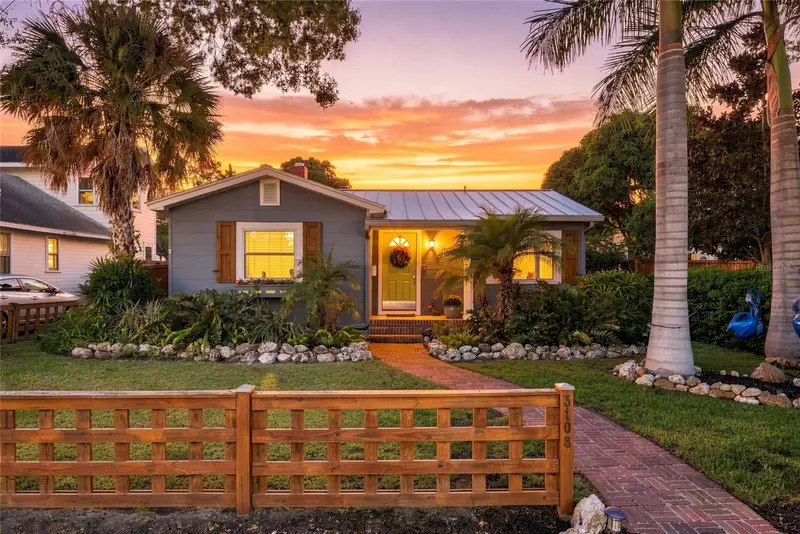

$579,000
3108 10th St N
St Petersburg, FL 33704
3 bd · 2 ba · 1,150 sqft
Hyde Park
MLS ID #TB8557405, SMITH & ASSOCIATES REAL ESTATE.
Listing provided by Stellar MLS
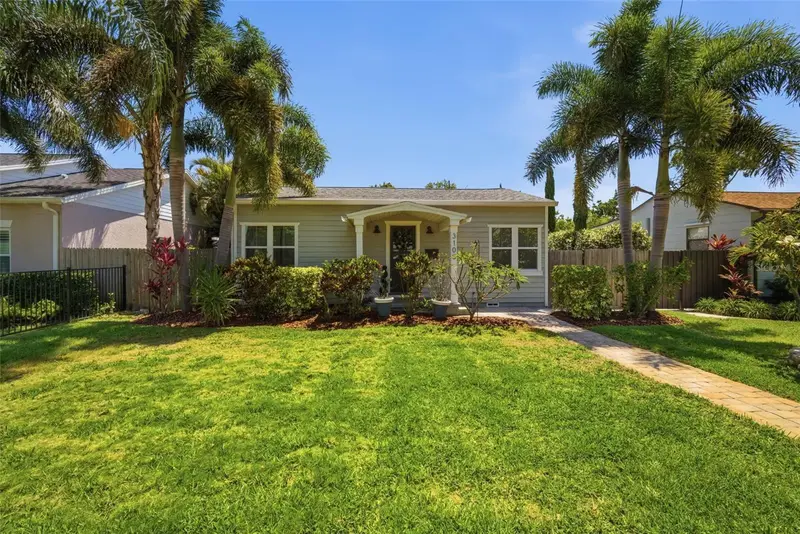
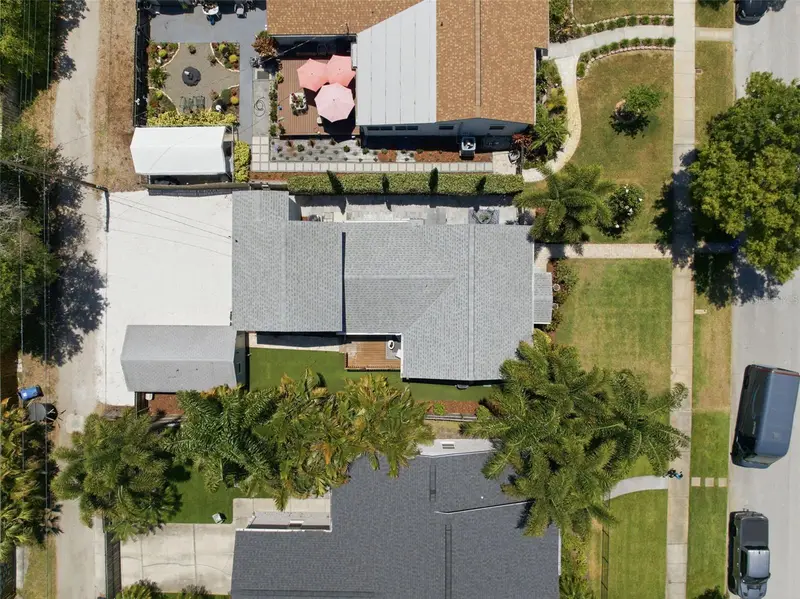
$850,000
3105 Jackson St N
St Petersburg, FL 33704
4 bd · 3 ba · 2,040 sqft
Hyde Park
MLS ID #TB8504416, COMPASS FLORIDA LLC.
Listing provided by Stellar MLS
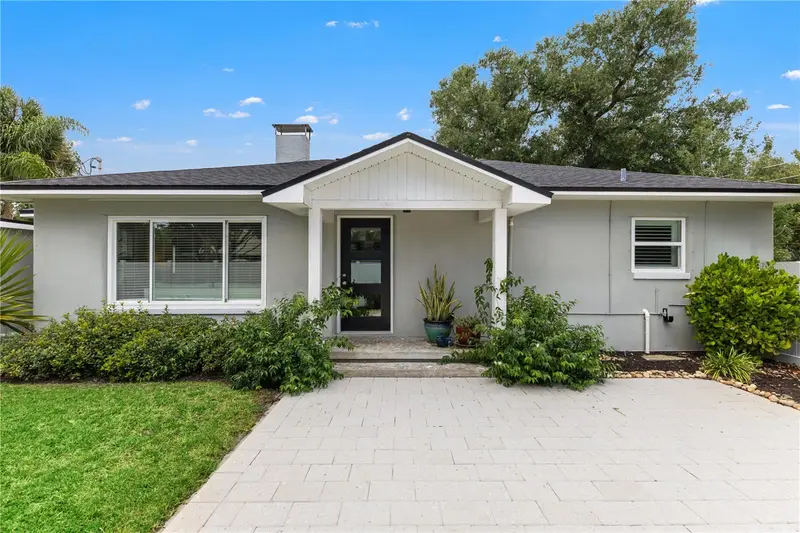
$540,000
1030 32nd Ave N
St Petersburg, FL 33704
2 bd · 2 ba · 1,074 sqft
Hyde Park
This property is under contract. Contact us for backup offer opportunities.
MLS ID #TB8551537, CORCORAN DWELLINGS.
Listing provided by Stellar MLS
$525,000
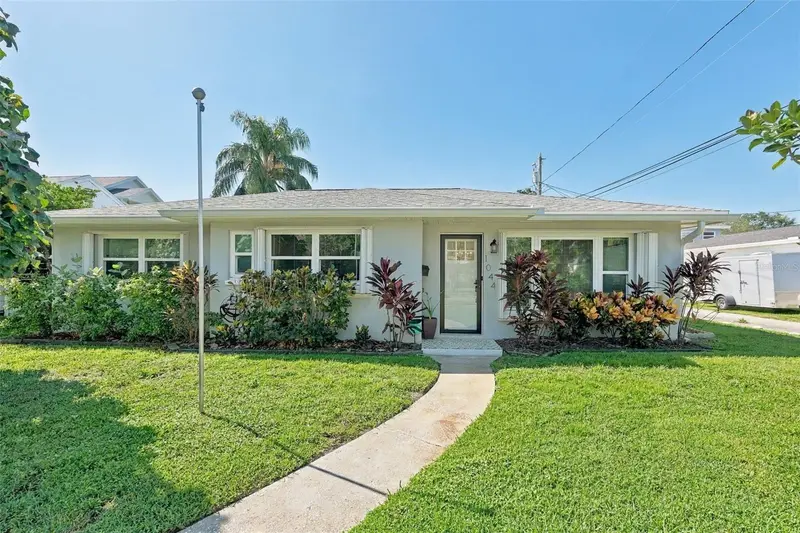
1044 32nd Ave N
St Petersburg, FL 33704
3 bd · 2 ba · 1,305 sqft
Hyde Park
This property is under contract. Contact us for backup offer opportunities.
MLS ID #TB8548508, RE/MAX ELITE REALTY.
Listing provided by Stellar MLS
$1,800,000
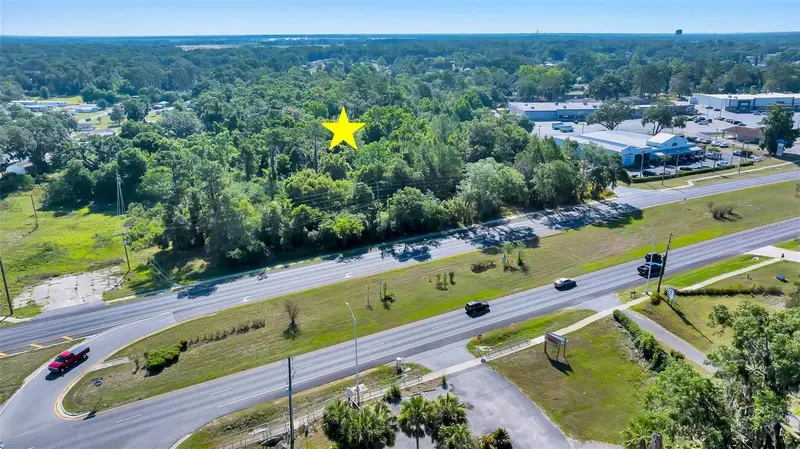
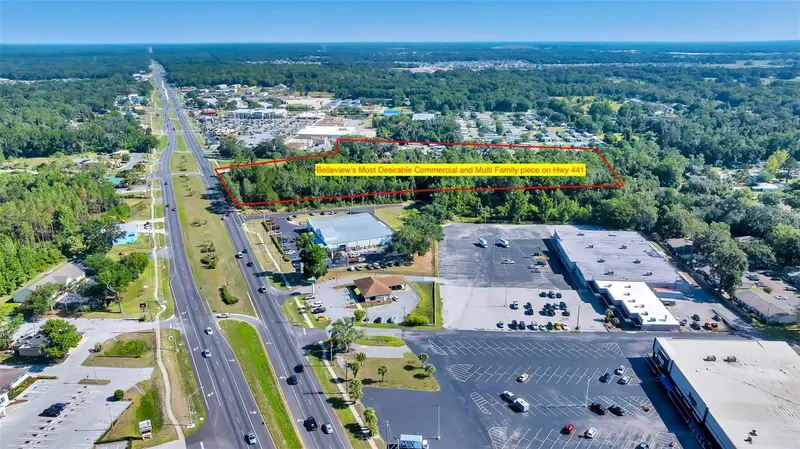
4799 Se 106th Place Rd
Belleview, FL 34420
7.95 acres
Hyde Park
MLS ID #OM564777, STRATEGIC REALTY.
Listing provided by Stellar MLS
Also Worth Seeing
Related communities
South Tampa
Davis Islands
Tampa's island neighborhood — dredged from Tampa Bay in 1926, still incomparable a century later.
$700K – $8M · 1,800 homes
Explore Davis Islands →
South Tampa
Palma Ceia
South Tampa's quiet prestige — a century-old country club neighborhood where the best streets have barely changed in 50 years.
$650K – $5M · 2,000 homes
Explore Palma Ceia →
Own a home in Hyde Park?
Find out what it's worth today.
Get a free, agent-prepared valuation grounded in actual South Tampa sales — plus a clear picture of what it costs to sell in Florida and how to keep more at closing.
Want Hyde Park homes first?
Hand-picked Hyde Park matches — 48 hours before MLS. Two to three per month.

Listings courtesy of Stellar MLS as distributed by MLS GRID
IDX information is provided exclusively for consumers’ personal, non-commercial use and may not be used for any purpose other than to identify prospective properties consumers may be interested in purchasing.
Based on information submitted to the MLS GRID as of October 24, 2026. All data is obtained from various sources and may not have been verified by broker or MLS GRID. Supplied Open House Information is subject to change without notice. All information should be independently reviewed and verified for accuracy. Properties may or may not be listed by the office/agent presenting the information.
All or a portion of the multiple listing information is provided by Stellar MLS, from a copyrighted compilation of listings. The compilation of listings and each individual listing are © 2026 Stellar MLS. All rights reserved.
Ryan Solberg, Broker · MaxLife Realty LLC · FL License #BK3354351 · Equal Housing Opportunity · Full disclaimer · DMCA