· Updated · By Ryan Solberg, Broker #BK3354351
Realtor Commission in Florida: Who Pays and How Much (2026)
The NAR settlement changed how commissions work. Here's who pays what, and how to think about it as a Florida seller.
In Florida, the average total realtor commission is about 5.5% of the sale price (5.57% per Clever's February 2026 survey), typically split between the listing agent (2.75%) and the buyer's agent (2.82%). The seller pays it from sale proceeds. After the August 2024 NAR settlement, sellers are no longer required to offer buyer's agent compensation — but most still do, because it attracts more buyers and stronger offers. On a $450,000 home, total commissions run about $25,000 (roughly $22,500–$27,000).
The NAR settlement that went into effect in August 2024 changed how real estate commissions are handled in practice — and it created a lot of confusion among sellers and buyers alike. Here's what actually changed, what it means for your transaction, and how to think about it.
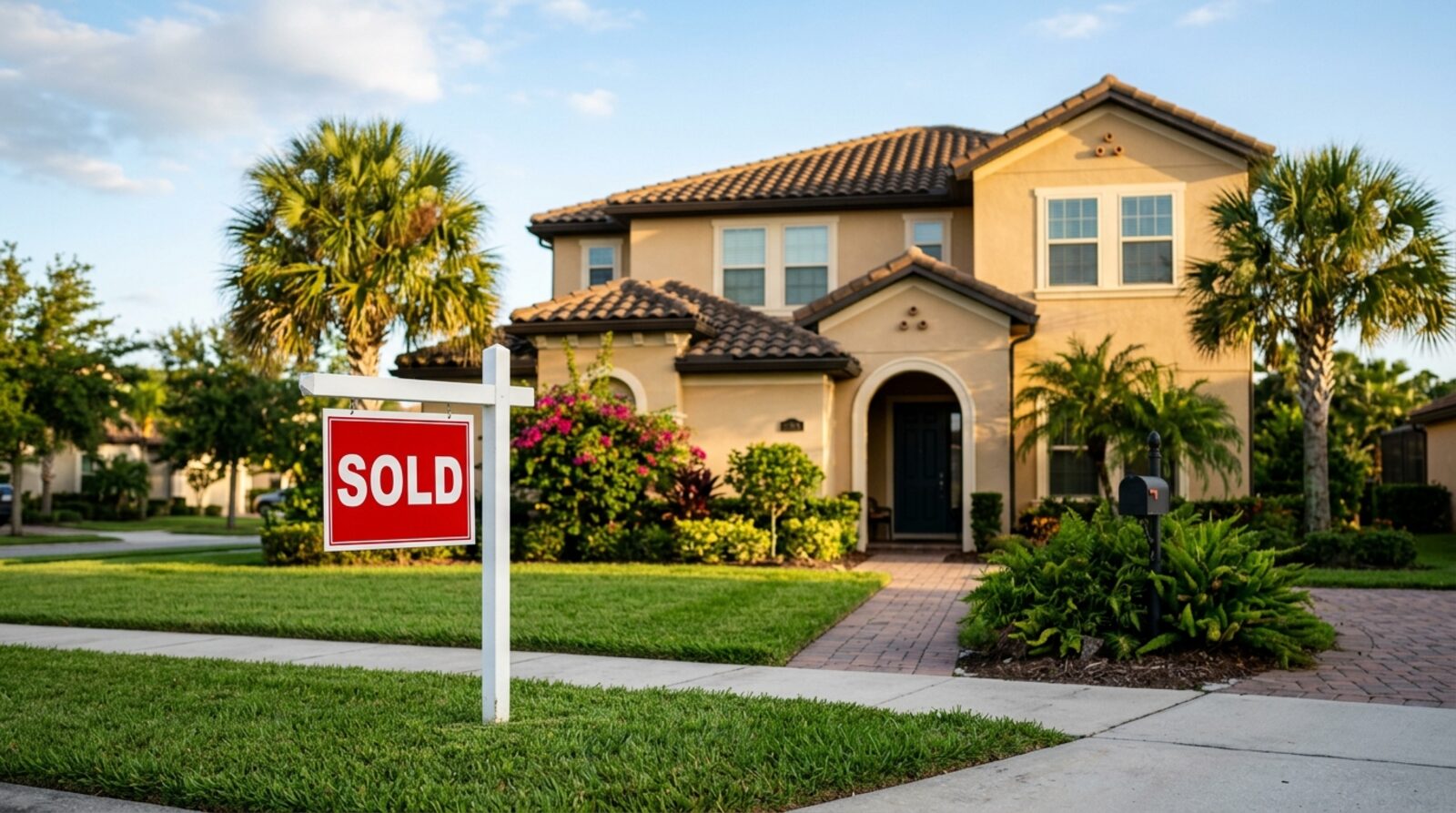
How It Worked Before August 2024
The traditional model was straightforward: the seller paid a total commission (typically 5–6% of the sale price), and that commission was split between the listing agent and the buyer's agent. The split was usually 50/50 — listing agent gets 2.5–3%, buyer's agent gets 2.5–3%.
Critically, the buyer's agent commission was offered through the MLS — sellers would publish what compensation they were willing to offer to buyer's agents when they listed the property. This was a structural feature of the MLS system, baked into how every transaction worked.
What the NAR Settlement Changed
The NAR settlement (formally called the Sitzer/Burnett settlement, which resolved antitrust litigation) required that buyer's agent compensation no longer be communicated or required through the MLS system. As of August 17, 2024, sellers cannot make MLS offers of compensation to buyer's agents through the MLS itself.
What this means in practice: the buyer's agent commission must now be negotiated as a separate agreement — typically between the buyer and their agent (via a buyer's agent agreement), or negotiated as part of the purchase contract with the seller.
What it does not mean: sellers cannot offer buyer's agent compensation. They absolutely still can — and most do. The route of communication changed; the economics haven't fully shifted.
This is also where a lot of "no commission" advertising gets misleading. If you've seen that phrase in a listing pitch, see my breakdown of what "no commission" home sales in Florida actually mean before you assume it means a free sale.
What Actually Happens Today
In most Florida transactions in 2026, sellers still offer buyer's agent compensation — they just do it through the purchase contract or through a separate written agreement rather than through the MLS. Why? Because offering buyer's agent compensation attracts more buyers. A buyer who has to pay their own agent out of pocket has a higher effective cost of purchase, which means a lower net offer to you. It's still in most sellers' financial interest to offer buyer's agent compensation.
The typical breakdown in 2026 looks like this: listing agent commission of 2.5–3%, buyer's agent compensation of 2–2.5%, for a total somewhere in the 4.5–5.5% range. The total is slightly compressed from the traditional 5–6% as negotiations have become more explicit, but the overall structure hasn't fundamentally changed in most transactions.
What has changed is transparency. Buyers must sign a buyer's agency agreement before touring homes — they now explicitly acknowledge what their agent will be paid and how. If the seller doesn't offer buyer's agent compensation in the contract, the buyer either pays it out of pocket or negotiates it into the deal.
Who Actually Pays?
The seller pays both commissions out of proceeds. This has always been true economically — even under the old model, the buyer doesn't write a check for their agent's commission. The seller's proceeds are reduced by the total commission at closing.
The settlement made the structure more explicit for buyers, but the economic reality for sellers hasn't changed meaningfully. You still negotiate your listing agent's commission directly. You still decide whether and how much to offer in buyer's agent compensation.
What MaxLife Charges
MaxLife lists homes starting at 1% listing commission. That 1% goes to us — your listing agent. It doesn't include buyer's agent compensation, which is negotiated separately based on your situation and the property.
A 1% listing commission doesn't mean a discount service. The 27-step pre-listing and marketing process is the same — professional photography, pre-MLS agent outreach, pricing analysis, transaction management through closing. What's different is the fee structure, which reflects a business model built on volume and repeat clients rather than one-off high margins.
Run your own math. On a $600,000 home with a 3% listing commission, you're paying $18,000 to your listing agent. At 1%, you're paying $6,000. That's $12,000 difference in your pocket — assuming all else is equal. If the 3% agent genuinely sells the home for $12,000 more than the 1% agent would have, you're even. If not, you're better off with the lower commission.
The honest answer: not every 3% agent sells for more. And not every 1% agent sells for less. Ask for the data — their list-to-sale price ratio, their average days on market, their canceled listing rate — before you make the decision based on commission alone.
What This Means For Your Net Proceeds
The easiest way to think about commissions is through your net sheet. The net sheet shows your sale price, minus mortgage payoff (if any), minus commissions, minus closing costs (title insurance, doc stamps, prorated taxes, HOA estoppel), minus any seller concessions. What's left is what hits your account.
For a full breakdown of non-commission closing costs, see our guide to seller closing costs in Florida. To estimate your property's current value, request a free home valuation and we can run a full net sheet. If you're also buying, see what credit score you need for a Florida mortgage and how Florida's closing costs work for buyers.
Frequently asked questions
- Who pays realtor commission in Florida?
- Traditionally the seller pays both agents' commissions (typically 5–6% split between listing and buyer's agent). Since the 2024 NAR settlement, buyers must sign a buyer agreement specifying their agent's fee before touring homes. However, sellers can still offer to cover the buyer's agent commission as a concession — and most sellers in competitive markets still do.
- What is the average realtor commission in Florida in 2026?
- The average total commission in Florida is around 5.5% — about 5.57% in Clever's February 2026 survey. Listing agents typically charge roughly 2.75% and buyer's agents about 2.82%. On a $450,000 home, that's roughly $25,000 total. Rates are always negotiable.
- Do buyers have to pay realtor fees in Florida?
- After the August 2024 NAR settlement, buyers must sign a written buyer agreement specifying the buyer's agent fee before touring homes. However, sellers can still offer to cover the buyer's agent commission as a concession — and most sellers in Florida's active markets still do, making it effectively free for the buyer in practice.
- Can I negotiate realtor commission in Florida?
- Yes — commission rates are always negotiable. You can shop agents, offer performance-based structures, or use a flat-fee listing service. That said, offering a competitive buyer's agent commission (2.5%+) typically attracts more buyer traffic and stronger offers.
The next step
Thinking about a move?
Whether you're two months out or two years out, the right information now saves real money later. Let's talk — no pressure, no pitch.