· 7 min read· By Ryan Solberg, Broker #BK3354351
How to Choose a Real Estate Agent in Florida: What to Look for in 2026
Florida's real estate market has specific characteristics that require specific expertise — from AS IS contracts to insurance navigation to neighborhood-level price knowledge. Here's how to evaluate agents before committing.
Florida has more than 200,000 licensed real estate agents. The license itself tells you almost nothing — it means someone passed a licensing exam, not that they know your market, understand Florida's specific contract mechanics, or have the transaction volume to handle a complex deal.
Here's how to actually evaluate agents before committing.
The core qualification: local transaction volume
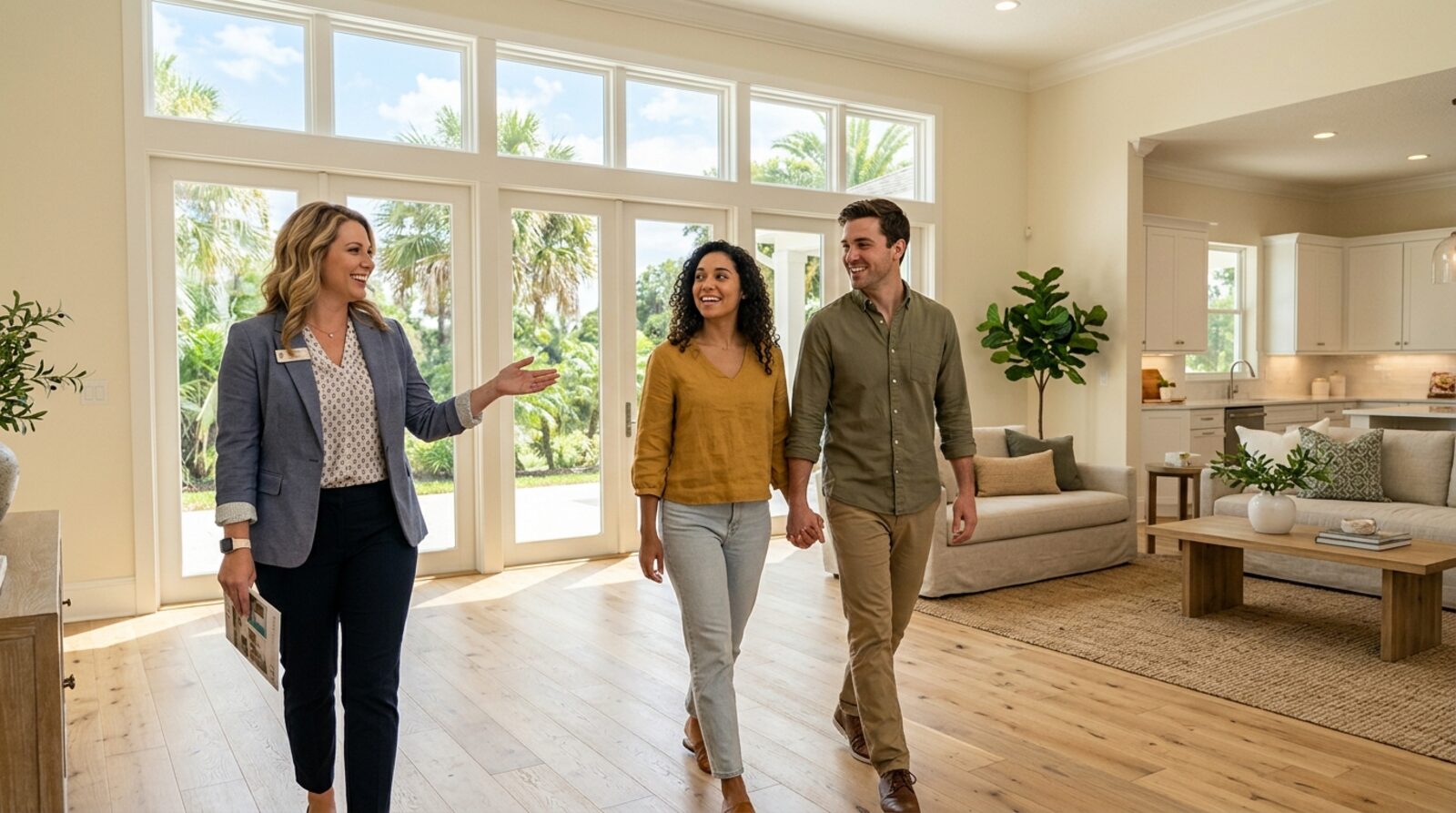
The most predictive indicator of agent quality is not years of experience, not franchise affiliation, and not personality. It's transaction volume in your specific market in the last 12 months.
An agent who has closed 15 transactions in Oviedo in the last year knows:
- What homes are actually worth (not what Zillow says)
- Which neighborhoods have pending issues (HOA problems, drainage issues, school redistricting)
- Which inspectors to recommend and which to avoid
- How sellers in that market respond to offers and negotiations
- The listing agents who are honest and the ones who are not
An agent who has closed 2 transactions in Oviedo in the last year and 13 elsewhere knows almost none of this.
The question to ask in your first conversation: "How many homes have you sold in [your specific target area] in the last 12 months?" A competent local agent can answer this immediately. An agent who needs to look it up or pivots to talking about their years of experience is telling you something.
For buyers: what your agent needs to know
Florida-specific contract knowledge
The Florida AS IS Residential Contract is the standard form for most Florida transactions. A Florida buyer's agent must understand:
- Inspection period mechanics (free-look right, what triggers cancellation)
- Post-inspection negotiation strategy (what to ask for, how to frame requests)
- Financing contingency vs appraisal contingency distinctions
- HOA document review rights (Florida Statute 720.401)
- Earnest money escrow and dispute resolution processes
Ask any buyer's agent: "Walk me through how the inspection period works in Florida's AS IS contract." If they can't answer clearly and specifically, they're not ready to protect you.
Neighborhood-level price knowledge
Your buyer's agent should be able to tell you, for any property you're considering, whether it's priced at, above, or below market — and why — without needing to run a separate report. This requires:
- Active presence in the market (regularly reviewing new listings and price changes)
- Recent closed transaction knowledge (not just from the MLS but from personal experience)
- Understanding of community-specific premiums (school zone, lake access, condition, HOA quality)
Offer strategy competence
In Florida's market, offer construction matters:
- Earnest money amount relative to purchase price
- Inspection period length and leverage implications
- Financing contingency terms
- Escalation clause structure in competitive situations
An experienced buyer's agent has seen what works and what doesn't in your specific market. Ask them: "What's been your recent experience with offers in this price range getting accepted — what terms are moving?"
For sellers: what your listing agent must deliver
Accurate pricing
This is the most important thing a listing agent does — and the most consequential error they can make. An agent who tells you your home is worth 10% more than market comps suggest is not doing you a favor. They're either incompetent (don't know the market) or dishonest (telling you what you want to hear to get the listing).
Signs of a competent pricing conversation:
- Agent pulls specific comparable sales — not automated estimate ranges — and explains adjustments
- Agent identifies factors that work against your price (condition, school zone edge, deferred maintenance)
- Agent gives you a range with defensible rationale, not a single number that happens to be above your asking expectation
Negotiation experience and results
Ask any listing agent: "What was the last home you listed that went into contract quickly? What was the list-to-sale price ratio?"
A good listing agent should be able to tell you:
- What they listed it at and why
- How long it took to go under contract
- What the final sale price was relative to list
If the agent can't give specific examples with numbers, they're not the agent you want.
Communication and responsiveness
In the inspection period — which moves fast — delays cost deals. Your listing agent needs to be reachable and responsive when:
- Offers come in, sometimes in batches requiring quick evaluation
- Inspection findings arrive and the buyer requests a response within the inspection period
- Financing or appraisal issues arise that need immediate decision-making
Ask: "How quickly do you typically respond to client communications? What's your process when multiple offers arrive simultaneously?" The answers reveal whether this person will be a partner or an obstacle under pressure.
Commission: how to think about it
For sellers
Commission is real money, and negotiating it matters. The traditional 5–6% total commission on a $450,000 home is $22,500–$27,000. MaxLife Realty charges 1% for listing services, saving sellers $11,250–$13,500 versus traditional pricing.
But the commission question is inseparable from the quality question. An incompetent agent at 1% who misprices your home costs you far more than a competent agent at 3%. The question isn't "lowest commission" — it's "best net proceeds." The best net proceeds comes from accurate pricing, professional marketing, and skilled negotiation — at a commission that doesn't consume the savings those skills generate.
The right question: "Show me your pricing methodology for my home and explain how you arrived at the recommended list price." The answer tells you more than the commission percentage.
For buyers
Since the seller traditionally pays buyer's agent commission, buyers in Florida have typically had free buyer representation. Post-NAR settlement (effective August 2024), compensation arrangements are more explicitly disclosed and negotiated. Before signing a buyer representation agreement:
- Confirm how your agent is compensated
- Understand whether the seller is offering buyer agent compensation and in what amount
- Confirm your obligations if the seller doesn't offer buyer agent compensation equal to the agreed rate
Red flags to watch for
Tells you what you want to hear on price: If an agent says your home is worth exactly what you hoped it would be worth without pulling specific comparable sales to support it, that's a tell — they're trying to win the listing, not price it correctly.
Can't name recent comparable sales from memory: A local specialist knows their market. If you ask "what did the house on [street] sell for last month?" and they don't know, they're not operating at the local depth you need.
Dual agency: One agent representing both parties simultaneously. See above.
Vague on marketing specifics: "I'll put it in the MLS and use my network" is not a marketing plan. A good listing agent has a specific photography process, specific syndication plan, specific open house strategy, and specific digital marketing approach.
Pressure to decide quickly: A good agent gives you time to evaluate. Pressure to sign immediately — particularly before you've seen pricing rationale or their credentials — is a manipulation tactic, not a service orientation.
Questions to ask before hiring
For listing agents:
- What have homes similar to mine sold for in this area in the last 90 days?
- What is your recommended list price and what comparable sales support it?
- How many homes have you listed and sold in this neighborhood in the last 12 months?
- What is your specific marketing plan — photography, syndication, open houses?
- What is your list-to-sale price ratio for your last 10 listings?
For buyer's agents:
- How many buyers have you represented in [target area] in the last 12 months?
- What percentage of your buyers have gotten their offers accepted on the first try?
- Walk me through the inspection period process and how you help buyers navigate post-inspection negotiations.
- How are you compensated and what are my obligations under the Buyer Representation Agreement?
- What's your communication style — how quickly do you typically respond?
Ryan Solberg is a licensed Florida real estate agent operating at 1% listing commission. If you want to evaluate whether Ryan is the right fit for your sale or purchase — without pressure — call 321.373.3536 or use the contact form.
Frequently asked questions
- How do I find a good real estate agent in Florida?
- Start with transaction data, not testimonials. Ask any agent you're interviewing: 'How many homes have you sold in [your target neighborhood] in the last 12 months?' A local specialist should be able to answer quickly and specifically. Supplement with: (1) Checking their MLS activity through Zillow or Realtor.com — look for actual closed transactions in your area; (2) Reading reviews on Google or Zillow, focusing on specifics rather than generic praise; (3) Asking neighbors who recently sold or bought who they used; (4) Verifying license and any disciplinary history at myfloridalicense.com.
- Should I use the same agent as a buyer and seller (dual agency)?
- Dual agency — where one agent represents both buyer and seller in the same transaction — is legal in Florida with written consent but creates an inherent conflict of interest. An agent cannot simultaneously advocate for the buyer (who wants the lowest price) and the seller (who wants the highest price). In practice, dual agency agents typically produce middling outcomes for both parties rather than optimal outcomes for either. The narrow financial benefit (agent keeps both sides of commission, may offer a discount) rarely compensates for losing true advocacy. Avoid dual agency unless the circumstances are exceptional.
- What commission should I pay to sell my Florida home?
- Traditional Florida listing commissions run 2.5–3% to the listing agent, plus an offer of 2–2.5% to the buyer's agent — total 5–6% of sale price. On a $450,000 home, that's $22,500–$27,000. MaxLife Realty's 1% listing commission reduces the seller's side to $4,500 — a savings of $11,250–$13,500 compared to traditional pricing. Since the NAR settlement in 2024, buyer's agent compensation is now negotiated separately — sellers can choose how much (if anything) to offer buyer agents. Consult with your listing agent on current market norms in your area.
- Do buyers need a real estate agent in Florida?
- Buyers don't legally need an agent in Florida — you can purchase without representation. But Florida's AS IS contract is complex, inspection period management is critical, and post-inspection negotiation requires expertise. Unrepresented buyers typically face listing agents who represent the seller's interest — not the buyer's. Since the seller traditionally pays buyer's agent commission, buyer representation has historically been free to buyers. Post-NAR settlement, buyer's agent compensation arrangements vary — confirm upfront how your agent is compensated and ensure it's disclosed in the Buyer Representation Agreement.
The next step
Thinking about a move?
Whether you're two months out or two years out, the right information now saves real money later. Let's talk — no pressure, no pitch.