· 9 min read· By Ryan Solberg, Broker #BK3354351
Florida Property Management Guide for Rental Owners in 2026
Owning a rental property in Florida involves specific legal requirements, market dynamics, and operational decisions. Here's what landlords need to know in 2026 — whether you're managing yourself or hiring a property manager.
Owning a rental property in Central Florida can be a strong investment — if you understand the legal framework, operational requirements, and market dynamics specific to Florida. Here's the complete landlord's guide for 2026.
Florida landlord-tenant law: the framework
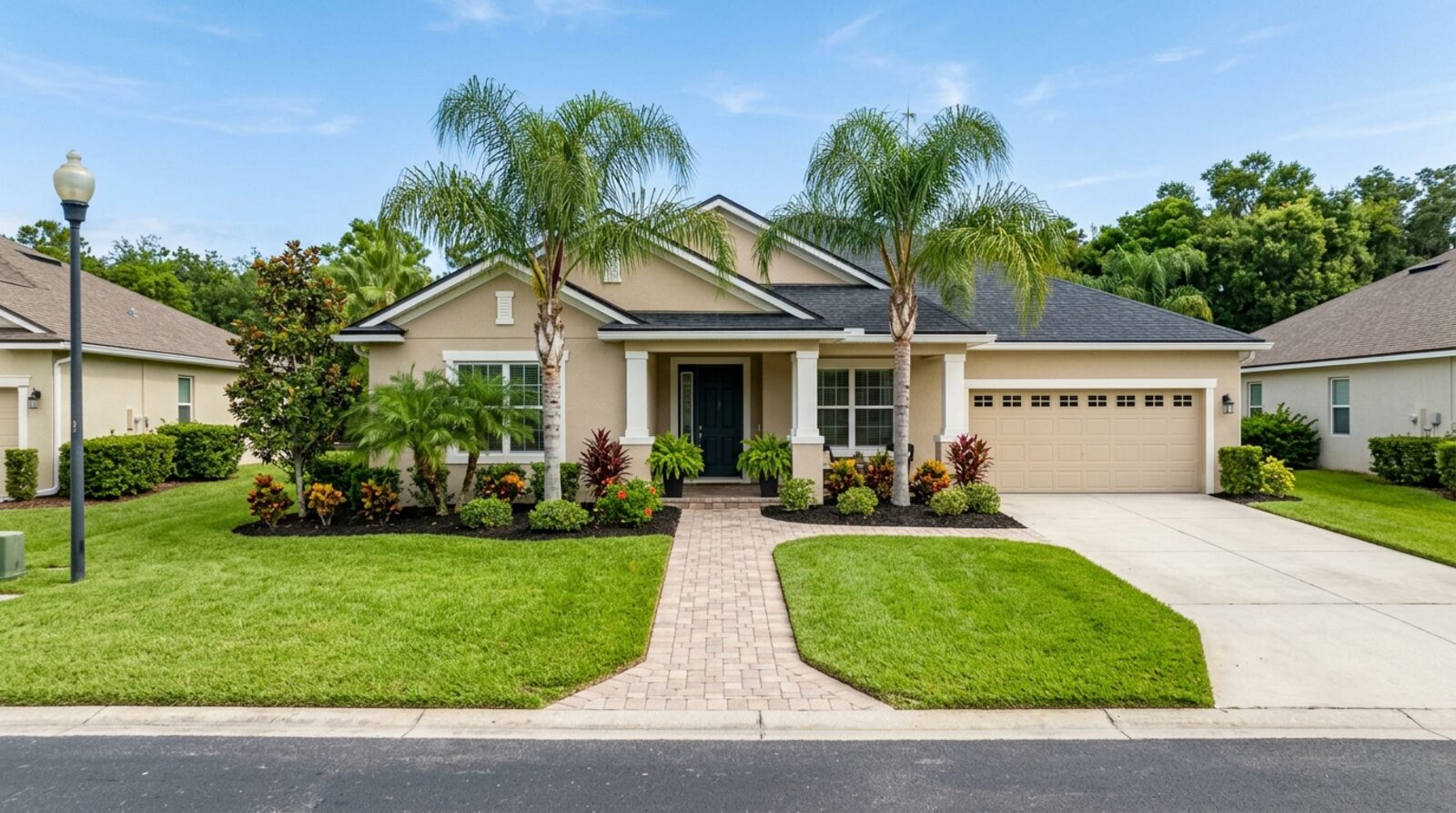
Florida is generally considered a landlord-friendly state — particularly compared to California, New York, or Massachusetts. The key statutes are Florida Statute Chapter 83 (Residential Landlord and Tenant Act).
Key landlord rights
Non-payment notice: Florida's 3-day notice for non-payment of rent (excluding weekends and Florida legal holidays) allows landlords to serve the formal notice required before filing for eviction. After service, if rent is not paid or the tenant doesn't vacate, the landlord may immediately file for eviction in county court.
Other lease violations: 7-day notice to cure (tenant has 7 days to fix the violation) or 7-day notice of termination without opportunity to cure (for substantial violations or repeat violations).
No rent control: Florida Statute 125.0103 preempts local rent control ordinances — no Florida municipality can impose rent control, regardless of local law. This is a significant advantage for landlords over states where municipalities have imposed rent control.
Self-help eviction is illegal: You cannot change locks, shut off utilities, or remove property to force a tenant out — even if they're not paying. This is called self-help eviction and exposes landlords to damages. Always use the court process.
Key tenant rights that landlords must honor
Quiet enjoyment: Landlords must give tenants 24 hours notice before entering (except emergency situations).
Habitability: Landlords must maintain the property in habitable condition — functioning HVAC, no roof leaks, working plumbing, pest control for building-wide infestations.
Retaliation protection: You cannot raise rent, reduce services, or threaten eviction because a tenant complained to a government agency about a legitimate habitability issue.
Security deposit requirements
Florida's security deposit rules are strictly enforced — violations can result in losing the right to make claims against the deposit:
Holding: Security deposits must be held in a separate bank account (or replaced by a surety bond) AND the tenant must be notified within 30 days of the address of the bank holding the deposit and whether it's interest-bearing or non-interest-bearing.
Return or claims: Within 30 days of the tenant vacating, you must either: (1) Return the full deposit, or (2) Send a written itemized claim letter by certified mail explaining what you're keeping and why. If you don't send the claim letter within 30 days, you forfeit the right to make any deductions.
Allowable deductions: Unpaid rent, damages beyond normal wear and tear, cleaning required beyond normal use, unreturned keys.
Prohibited: You cannot deduct for normal wear and tear — paint fading, minor carpet wear, small nail holes. The line between "damage" and "wear and tear" is often contested; document condition thoroughly at move-in and move-out.
Setting market rent
Getting the rent right is the most important single decision — and it's more art than science in Central Florida's varied submarket conditions.
Research before pricing:
- Zillow Rent Zestimate and Rentometer.com provide approximate market data
- Look at currently active listings on Zillow and Apartments.com for comparable properties (3BR/2BA, similar square footage, similar amenities)
- Check what properties similar to yours rented for in the last 60 days if you can find the data
The cost of overpricing: An empty unit generating $0 is worse than a unit rented at $100 below market. For a $2,200/month unit, being empty for one extra month to wait for above-market rent costs $2,200. Being below market for 12 months costs $1,200 — you'd need to be above market by $100/month for 22 months to recover one month of vacancy.
The cost of underpricing: Underpricing is real money over time — especially if you have a long-term tenant who expects the below-market rate to continue. Annual rent increases (legally, with proper notice, once per lease term) are how landlords keep pace with market.
Lease renewal increases: Most Florida landlords increase rent 3–8% at lease renewal based on market conditions. Check current market before renewal — if the market has moved 10% since the last lease, a 5–6% increase still keeps you below market while maintaining the relationship.
Self-management vs property management
Self-management works when:
- You live near the property
- You have time to handle tenant calls, maintenance coordination, and show vacancies
- You have relationships with reliable contractors
- You understand Florida landlord-tenant law and can handle legal notices and eviction if necessary
- You're comfortable vetting tenants (credit, income, rental history, criminal background)
Self-management saves the 8–12% management fee but requires real time investment. For one or two properties near your home, self-management can work well. For out-of-state owners, multiple properties, or owners without time or contractor relationships, the management fee is usually worth it.
What a property management company does
Full-service property management typically includes:
- Tenant marketing (MLS, Zillow, Apartments.com, showing coordination)
- Tenant screening (credit, income verification, rental history, criminal background)
- Lease execution
- Rent collection and late payment notices
- Maintenance coordination (with your approved budget limits)
- Property inspections
- Move-out processing and security deposit handling
- Eviction filing if required
What it costs (per above):
- Monthly fee: 8–12% of collected rent
- Leasing fee: 50–100% of one month's rent per new tenant
- Other fees vary by company
How to evaluate property managers:
- Florida DBPR license verification (required for property management in FL)
- Number of properties currently managed (scale suggests systems)
- Their typical tenant vacancy period (how long do their properties sit vacant between tenants?)
- Maintenance markup policy (do they mark up vendor costs?)
- Eviction experience and typical timeline
- References from current clients
Tenant screening: the most important decision
A bad tenant is more expensive than a vacancy. Eviction costs (court filing, attorney fees, lost rent during proceedings, repair costs after) can easily run $5,000–$15,000+ for a problem tenant. Screen rigorously.
What to screen for
Credit: A minimum credit score of 620–640 is common. More important than the score: the type of negative history. Medical collections are different from eviction history. Recent 30/60/90 day lates on rent or utilities are red flags regardless of overall score.
Income: Standard guideline is 3x monthly rent in gross income. On a $2,200/month unit, require $6,600/month gross income. Document with paystubs, bank statements, or tax returns.
Rental history: Contact previous landlords directly — not just the references the tenant provides. Ask: "Would you rent to this person again?" The answer to this question is more valuable than anything on the application.
Criminal background: Check through a reputable service. Florida DBPR-licensed property managers use national criminal background services; self-managers can use Transunion SmartMove or similar.
Fair Housing compliance: You CANNOT screen based on: race, color, national origin, religion, sex, familial status, or disability (federal protected classes). Florida adds additional protections. Consistent, documented criteria for every applicant protects you legally.
Common screening mistakes
- Accepting verbal income verification: Always get documentation
- Skipping the prior landlord call: This is your best signal
- Renting to the first applicant without proper screening: Rushed decisions cause expensive problems
- Not using a written, signed lease: Never allow occupancy without a written lease
Property insurance for Florida rentals
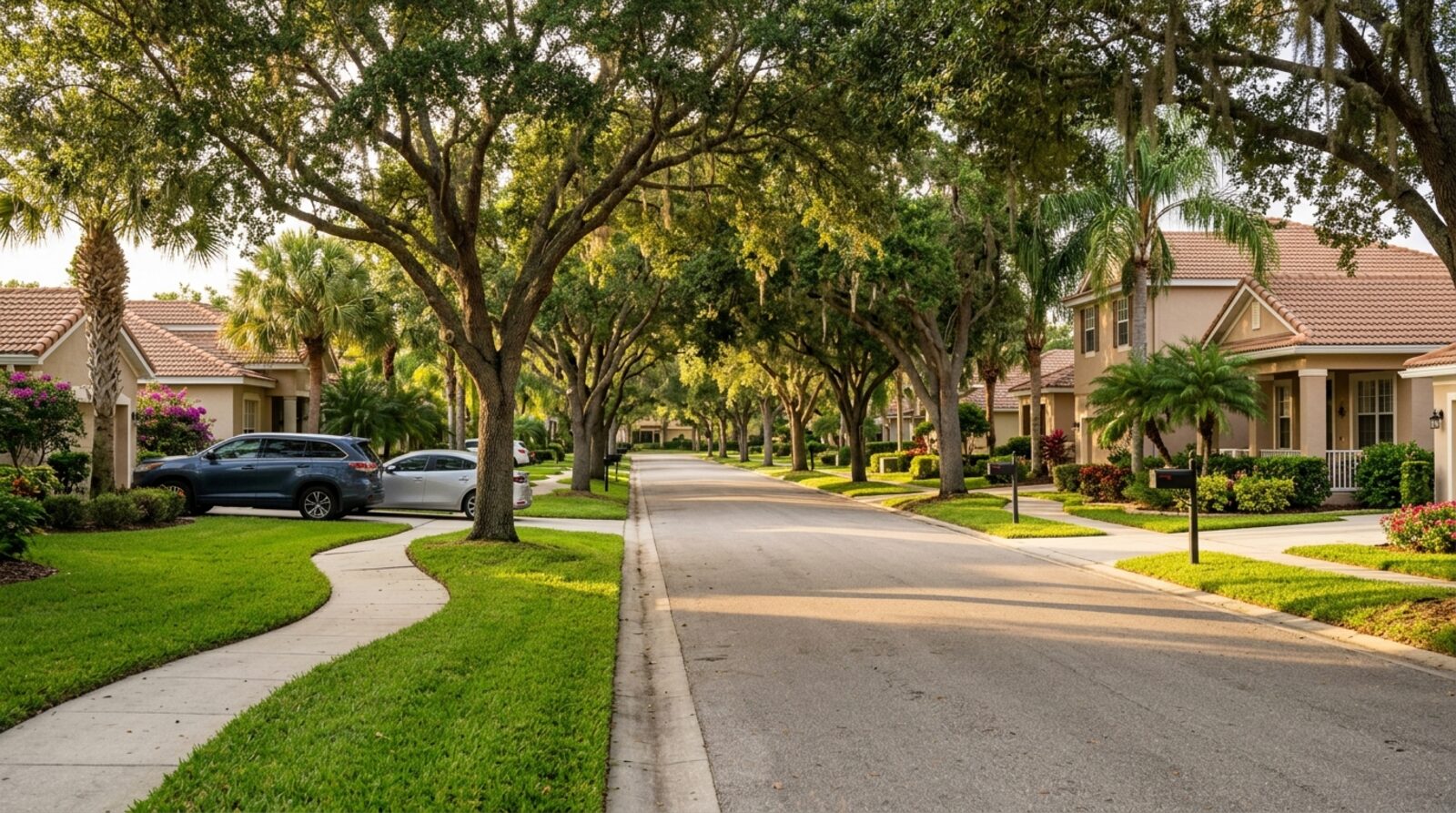
Rental property insurance in Florida is more expensive than primary residence insurance and structured differently:
Landlord insurance (DP-3 policy): Covers the structure and liability — not the tenant's personal property. Typically includes: dwelling coverage, other structures, rental loss income (pays lost rent if the property is uninhabitable due to covered loss), and liability.
What it doesn't cover: Tenant's personal belongings, tenant's liability — tell your tenants they need renters insurance.
Cost: For a $350K–$450K single-family rental in inland Central Florida: $4,000–$7,000/year. Coastal properties are significantly more. Wind mitigation inspections can reduce premiums substantially.
Flood insurance: Not included in standard landlord policies. If the property is in a FEMA-designated flood zone (check at msc.fema.gov), you'll need separate flood insurance — often $1,000–$3,000+/year through NFIP or private carriers.
Vacancy: Many landlord policies have clauses about extended vacancies (30–60 days). Know your policy terms — if the property sits vacant longer than the policy allows, coverage may lapse.
Tax treatment of rental income
Federal: Rental income is taxed as ordinary income at your marginal federal rate. However, rental real estate offers significant deductions: mortgage interest, property taxes, insurance, property management fees, maintenance and repairs, depreciation (27.5 years for residential real estate), advertising, legal fees, and travel to the property.
Depreciation: This is the most powerful rental tax deduction. A $400,000 single-family home (allocating ~80% to the structure and ~20% to land, which isn't depreciable) provides approximately $11,636/year in depreciation deductions. This is a non-cash deduction that reduces taxable rental income — often making a modestly positive cash flow property show a "tax loss" on paper. When the property is sold, depreciation recapture applies at 25%.
Passive activity rules: Rental income is generally considered passive income. Passive losses can only offset passive gains — unless you qualify as a "real estate professional" (more than 750 hours/year of real estate activity, and more than 50% of your work time in real estate) or you actively participate and your income is under $100,000 (allows up to $25,000 in passive losses against ordinary income, phasing out from $100K–$150K).
Florida: No state income tax — rental income is taxed only at the federal level.
Central Florida rental market by submarket
Lake Nona: Medical City drives strong demand from residents, students, and healthcare workers. Newer construction commands premium rents. Expect $2,000–$3,200/month for 3BR/2BA.
Dr. Phillips / Sand Lake: Corporate rental market. Single-family rentals: $2,200–$3,500/month. Premium for gated community, private pool.
Kissimmee / vacation rental corridor: Vacation rental and annual rental mix. Annual long-term rentals: $1,800–$2,400/month for 3–4BR. Vacation rental performance varies significantly by proximity to Disney and community amenities.
Winter Park / Maitland: Rental market near OCPS/SCPS zones. Single-family: $2,200–$4,000/month depending on school zone, size, and condition.
Oviedo: SCPS zone drives rental demand. 3–4BR SF: $2,000–$2,800/month.
St. Cloud: Lower price points, value rental market. 3BR/2BA: $1,700–$2,200/month.
Sanford / DeBary: SunRail access drives some demand from downtown Orlando commuters. 3BR/2BA: $1,600–$2,200/month.
Ryan Solberg helps investors and landlords navigate the Central Florida real estate market. If you're evaluating an investment purchase or want guidance on the local rental market for a specific community — contact Ryan.
Frequently asked questions
- What are Florida landlord rights regarding non-payment of rent?
- Florida Statute 83.56 gives landlords the right to serve a 3-day notice for non-payment of rent (excluding weekends and legal holidays). After the 3-day period, if rent is not paid, the landlord may file for eviction. Florida's eviction process (unlawful detainer) moves relatively quickly compared to other states — contested cases can take 3–6 weeks; uncontested cases may resolve in 2–3 weeks. This landlord-friendly framework is a meaningful advantage of Florida over states with longer eviction timelines and stronger tenant protections.
- How much does property management cost in Central Florida?
- Property management fees in Central Florida in 2026 typically include: (1) Monthly management fee: 8–12% of collected monthly rent. On a $2,200/month rental, that's $176–$264/month. (2) Leasing/placement fee: 50–100% of one month's rent when the manager places a new tenant. (3) Maintenance coordination markup: some managers add 10–15% on maintenance costs. (4) Lease renewal fee: $150–$300. (5) Early termination: varies. Full-service property management typically costs the landlord the equivalent of 1.5–2 months' rent annually — meaningful for cash flow calculations.
- Do I need to live in Florida to own a Florida rental property?
- No — Florida has no requirement that rental property owners be Florida residents. Out-of-state landlords routinely own rental properties in Central Florida and manage them through local property management companies. If you're a non-Florida resident, you will owe federal income tax on Florida rental income (Florida has no state income tax). If your home state has an income tax, your state may also tax the Florida rental income as out-of-state income, though you typically receive a credit for federal taxes paid.
- What are the most in-demand rental markets in Central Florida?
- Highest rental demand in 2026 by submarket: (1) Lake Nona — Medical City drives consistent demand from healthcare workers and UCF Medical students/residents; (2) Dr. Phillips / Sand Lake corridor — corporate employment; (3) Winter Park / Maitland — renters who want OCPS or SCPS-adjacent school zones; (4) Horizon West — Disney/theme park commuters and renters seeking newer construction; (5) Kissimmee / Osceola County — hospitality and service-industry employment; (6) St. Cloud / Narcoossee corridor — growing demand from Medical City spillover at lower rental price points.
The next step
Thinking about a move?
Whether you're two months out or two years out, the right information now saves real money later. Let's talk — no pressure, no pitch.