· 7 min read· By Ryan Solberg, Broker #BK3354351
Earnest Money in Florida: How Much, When It's at Risk, and How to Protect It
Earnest money is the buyer's skin in the game — but Florida's AS IS contract gives buyers significant protection during the inspection period. Here's how earnest money works in Central Florida.
Earnest money is the deposit a buyer submits with a purchase offer — the financial signal that they're serious. In Central Florida, it's typically held in escrow by the title company and applied to closing costs at closing.
Here's how it actually works.
What earnest money is (and isn't)
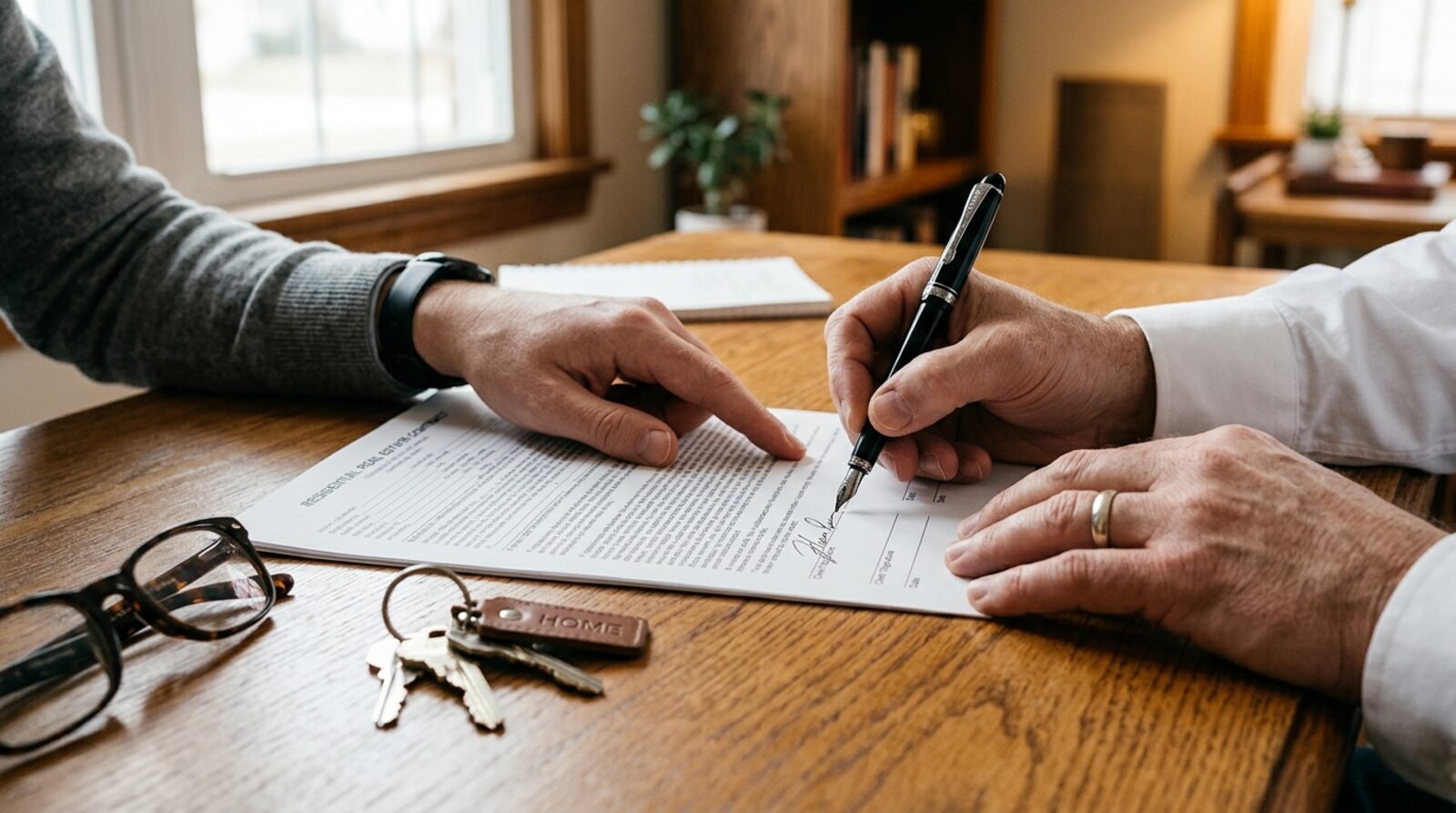
Earnest money is a good-faith deposit — not a down payment, and not a non-refundable commitment. It's the buyer's signal of genuine intent. The earnest money is:
- Submitted shortly after contract execution (typically within 1–3 business days)
- Held in an escrow account (not accessible to the seller during the transaction)
- Applied to the buyer's closing costs at closing
- Returned in full if the buyer cancels during the inspection period
- At risk if the buyer backs out without a valid contractual contingency after the inspection period
The key distinction buyers need to understand: earnest money during the inspection period is essentially risk-free. After the inspection period expires, specific contingencies determine when and whether the buyer can recover it.
How much to offer
Central Florida's typical range is 1–3% of the purchase price:
| Purchase Price | 1% | 2% | 3% |
|---|---|---|---|
| $300,000 | $3,000 | $6,000 | $9,000 |
| $450,000 | $4,500 | $9,000 | $13,500 |
| $600,000 | $6,000 | $12,000 | $18,000 |
| $800,000 | $8,000 | $16,000 | $24,000 |
| $1,000,000 | $10,000 | $20,000 | $30,000 |
What sellers want: A larger deposit signals more committed buyers. In multiple-offer situations, a higher deposit can differentiate an offer — it tells the seller "I have liquidity and I'm serious."
What buyers should know: The deposit amount doesn't change your rights during the inspection period. You can cancel for any reason during that window regardless of deposit size. The risk calculus changes after the inspection period expires.
The inspection period: your protection window
Florida's AS IS Residential Contract includes an inspection period — a negotiated window (typically 10–15 days) during which buyers can:
- Conduct any inspections they choose (general, WDO, 4-point, wind mitigation, sinkhole, pool, roof, mold, etc.)
- Request repair credits or price reductions (sellers may decline — this is AS IS)
- Cancel the contract for any reason — or no reason at all — with full deposit return
The inspection period is the buyer's free-look window. You don't need to cite a specific inspection finding to cancel. You can change your mind, find a better property, or simply decide this isn't the right home. The deposit comes back.
The critical moment: The inspection period's expiration date (set in the contract) is the point at which your earnest money becomes at risk. Buyers who want to cancel should submit written notice of cancellation before the inspection period expires — not after.
After the inspection period: what protects you
Once the inspection period expires without cancellation, the remaining protections are specific contractual contingencies:
Financing contingency: If you applied for financing and your loan is declined, you can typically cancel and recover your deposit within the financing period. Key requirements: you must have applied timely, provided required documents, and received a denial — not simply changed your mind about borrowing.
Appraisal shortfall: If the property appraises below the purchase price and the contract includes an appraisal contingency (or language addressing this), a buyer may have options. The standard AS IS contract has limited built-in appraisal protection — discuss this with your agent before signing.
Title issues: If title examination reveals defects that cannot be cleared, buyers typically have the right to cancel without deposit penalty.
HOA document rejection: If purchasing in a community with an HOA, Florida law gives buyers three days after receiving HOA governing documents to cancel — this applies even after the inspection period in some circumstances.
What puts your deposit at risk
The clearest deposit-risk scenario: inspection period expires, buyer is under contract with no unresolved contingencies, and buyer simply decides not to proceed.
Common situations where buyers lose deposits:
- Changed their mind about the house after falling in love with a different property
- Job situation changed (not the same as being declined for financing)
- Relationship change (divorce, breakup) — not a contractual contingency
- Inspection found issues but buyer waited too long to cancel
- Decided the market was overpriced generally
The contractual rule: cancel during the inspection period for any reason, or after it with a specific triggered contingency. Neither is "automatically" true — the buyer must take the right action at the right time.
The escrow dispute process
When buyer and seller disagree about who gets the earnest money, Florida's process is:
- Both parties submit written demands to the escrow holder
- The escrow holder attempts to resolve the dispute (often through mediation)
- If unresolved, the escrow holder may file an interpleader action — depositing funds with the court and asking a judge to decide
- The court determines the rightful recipient based on the contract terms
This process is slow, expensive, and emotionally difficult for both parties. It can take 30–90+ days to resolve through mediation; longer if litigation is required.
Practical implication: Most deposit disputes settle before court. The party who is legally wrong often agrees to a compromise to avoid legal costs and delay. This means buyers with weak legal positions sometimes recover a portion of their deposit through negotiation — and sellers with strong legal positions sometimes accept less than the full deposit to close the dispute quickly.
Tips for buyers
Use the inspection period: Conduct all inspections early in the inspection period so you have time to evaluate results and cancel if needed — don't wait until day 14 of a 15-day period.
Calendar the deadline: Set a hard reminder for the inspection period expiration date. Missing this deadline is how buyers accidentally put their deposit at risk.
Communicate in writing: All cancellation notices should be in writing, delivered through your agent to the listing agent. Verbal discussions don't satisfy contractual requirements.
Don't wait for the "perfect" reason: During the inspection period, you don't need a reason. If you're uncertain, cancel. You can always find another house; you can't easily recover an at-risk deposit.
Ryan Solberg guides buyers through the Florida purchase process and earnest money strategy. If you're navigating a first Florida contract or want to understand your deposit protection — contact Ryan before your inspection period expires.
Frequently asked questions
- How much earnest money is standard in Central Florida?
- Typical earnest money in Central Florida transactions is 1–3% of the purchase price. On a $350,000 purchase: $3,500–$10,500. On a $600,000 purchase: $6,000–$18,000. In competitive or luxury markets (Winter Park, Dr. Phillips, Windermere), sellers may expect larger deposits — 2–3%+ — as a signal of serious buyer commitment. Cash buyers sometimes offer larger deposits (3–5%) to demonstrate liquidity and commitment in lieu of a financing contingency.
- When is earnest money at risk in Florida?
- Earnest money is at risk after the inspection period expires without cancellation. During the inspection period, buyers can cancel for any reason — the earnest money returns in full. After the inspection period, the remaining contractual protections are specific: (1) financing contingency — if financing falls through within the financing period, the buyer can cancel and recover the deposit; (2) appraisal contingency (if included) — if the property appraises below the purchase price and the buyer cannot bridge the gap. Backing out after the inspection period without one of these triggered contingencies puts the earnest money at risk.
- Who holds earnest money in Florida?
- Earnest money is held in an escrow account — typically by the title company or the real estate brokerage handling the transaction. Sellers do NOT hold the earnest money directly. The escrow holder is a neutral third party with specific legal obligations about when and how to disburse funds. Florida law requires the escrow holder to make a written demand for disbursement before funds can be released to either party, and disputes trigger a formal resolution process.
- What happens if there is a dispute about earnest money in Florida?
- When buyer and seller dispute who is entitled to the earnest money, Florida's AS IS contract triggers a specific dispute resolution process. The escrow holder (title company or broker) must receive written demands from both parties, attempt mediation, and may ultimately need to file an interpleader action in court — depositing the disputed funds with the court and letting a judge decide. This process can take weeks to months. Avoiding this situation is better than resolving it: buyers should cancel during the inspection period when possible, and both parties should understand contingency triggers before signing.
The next step
Thinking about a move?
Whether you're two months out or two years out, the right information now saves real money later. Let's talk — no pressure, no pitch.