· 7 min read· By Ryan Solberg, Broker #BK3354351
Best Time to Sell a Home in Florida: Month-by-Month Orlando Market Analysis
Florida's selling season doesn't follow the national playbook. Here's when Orlando-area sellers actually get the best prices, fastest closings, and most buyer competition.
The "best time to sell" question gets asked constantly, and the honest answer for Central Florida is more nuanced than a simple month recommendation.
Florida's real estate market doesn't follow the national seasonal playbook. The state's year-round sunshine, corporate relocation patterns, and part-year buyer demand create a selling environment that behaves differently from the spring-dominated markets in the Northeast and Midwest.
Here's the month-by-month reality for Orlando-area sellers.
January–February: the part-year buyer and winter relocation surge
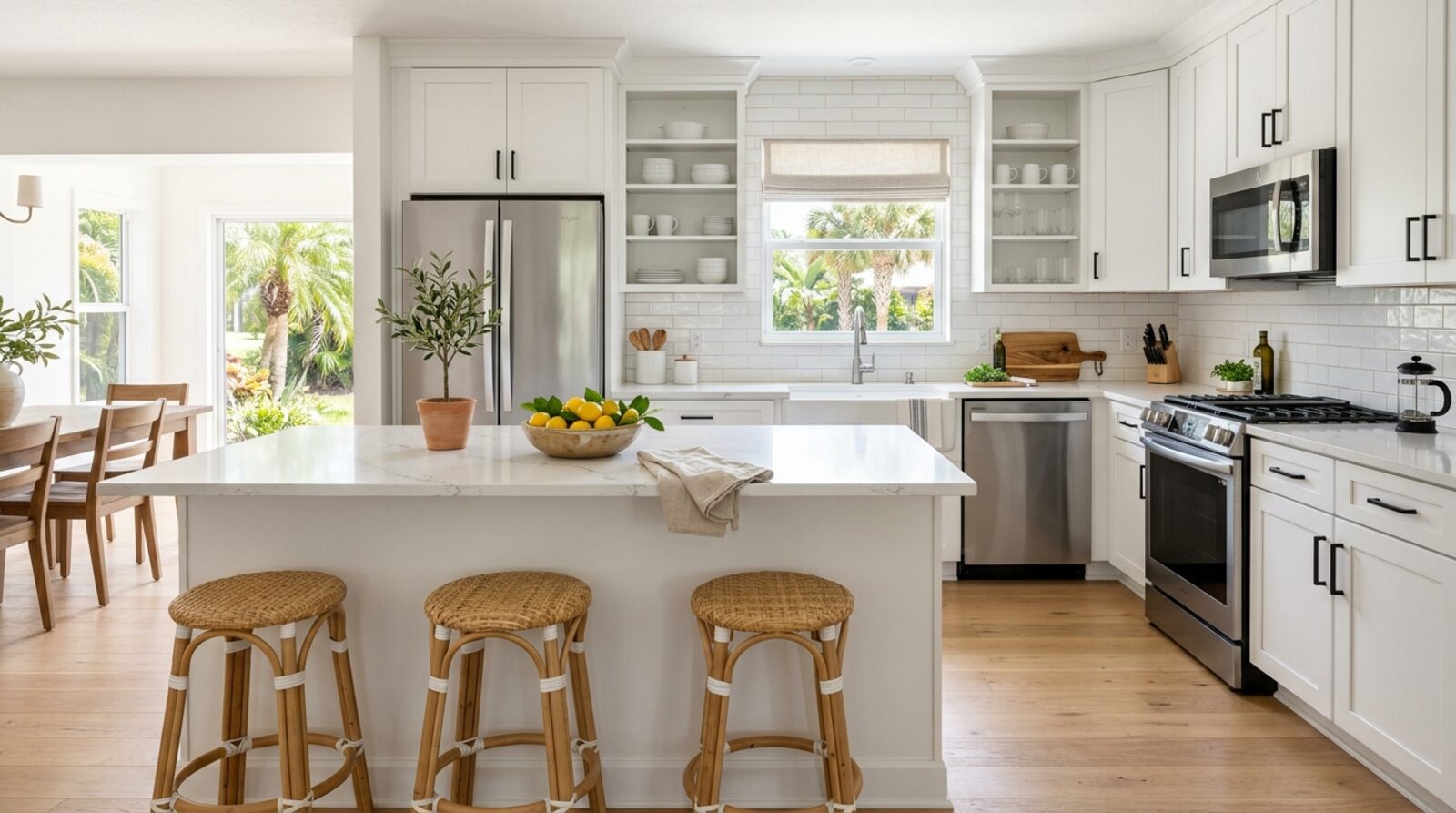
January is the start of Central Florida's most active buyer period — not because of traditional spring buying, but because of two demand sources unique to Florida.
Part-year buyers and relocators: Buyers who spent fall evaluating where they want to go hit the market hard in January. They've made their decision over the holidays. They're motivated and often buying with cash or minimal financing contingencies. They want to close quickly before the weather improves up north.
Corporate relocation: Florida's growing corporate presence (particularly in technology, healthcare, and defense sectors) creates a year-round relocation buyer — but January through March sees a concentration of buyers who started new jobs in Q4 and are now buying in Q1.
What to expect: Faster offers, higher cash buyer percentage, buyer pool extending nationally. January listings in well-priced markets often see multiple offers. The trade-off: limited time for pre-listing prep, and the school year is already underway, which can influence timing for some buyers.
March–May: peak season and historically the best price window
Spring in Central Florida is genuinely the strongest price realization period. March through May combines all the demand sources into one window:
- Part-year and relocation buyers still active
- Buyers positioning to close before June 1 for school transitions
- Spring break visitors who fell in love with the area
- Tax refund-funded down payments entering the market
Historically, March and April produce the highest median sale prices and the shortest days-on-market in most Orange County ZIP codes. If you have the flexibility to list in spring and have done your preparation, this is typically the optimal window.
The competition caveat: Spring is also when the most listings come to market. Your home competes with more inventory in March–May than in January. In a normal market, demand growth outpaces supply growth in spring, producing net favorable conditions. In a supply-heavy market, the competition may offset the demand advantage.
June–August: summer doesn't die in Florida
The misconception: summer is slow in Central Florida. The reality: it's the third-strongest selling window, not a dead zone.
Florida's summer market is driven primarily by two forces:
Corporate relocation with school-year deadlines: Buyers transferred by an employer want to close by July 31, before school starts in August. These buyers are highly motivated — the relocation timeline is set by their employer, not their preference. They will pay market price to close on schedule.
Out-of-state buyers who own vacation condos and are evaluating primary residence: Disney-area and Space Coast buyers who've been coming to Florida for years often make their move decision in summer when they're already in the area.
The practical implication: June and July can be very strong months for the right home in the right submarket. August slows as summer demand winds down and new listings drop.
The heat factor: Florida's summer (June–August) is legitimately challenging for showings. Buyers are hot, humidity is intense, and homes need to be aggressively air-conditioned during showings. Presentation matters more in summer because buyers notice comfort.
September–October: the shoulder transition
September and October are genuine shoulder months — not slow, but below peak. The school year is underway, summer relocation is complete, and the next major demand surge (part-year buyers/winter relocation) hasn't arrived yet.
For sellers who aren't bound by timing, this window is the weakest price realization period. For sellers who have good reasons to list (lifestyle change, job relocation, opportunity), September–October listings can still close well if priced accurately.
The opportunity: Reduced competition from other sellers. Serious buyers in September and October are motivated — they're not just browsing. A well-priced, well-presented home in October may attract fewer total showings than a spring listing but the showing-to-offer conversion rate is often higher.
November–December: the winter strength begins, slowly
Florida's winter selling season starts building in November as the first part-year buyers arrive. December is slower (holidays pause activity) but January follows with strong demand.
For sellers: Listing in early November can capture pre-holiday activity and position for January showings. Listings that go live in December often stay in "gathering interest" mode through January without wasted days-on-market stigma.
The serious buyer argument: Buyers who are actively shopping in November and December are not casual. They have a reason to be moving in winter — relocation timeline, health reasons, end of year contract. Offers in this window are often cleaner and faster to close.
What matters more than timing
The calendar month is a secondary factor. What actually drives sale price and speed:
Accurate pricing: A home priced 5% above market in March will sit. A home priced accurately in October will sell. Timing helps at the margin; pricing is the primary driver.
Presentation and condition: Move-in ready homes outperform deferred-maintenance homes in every month. The presentation gap closes once a buyer is in the door — but you have to get them in the door first.
Marketing execution: Professional photography, Thursday listing timing, and proper distribution drive showings independent of the month. A spring listing with amateur photos and a Tuesday live date loses to a fall listing executed properly.
Interest rate environment: In 2026, rate sensitivity influences buyer pool size. Rate shifts that move the monthly payment by $100+ affect how many qualified buyers are actively searching — this is often a bigger market force than the season.
Bottom line for Orlando sellers: March–April is your best statistical window. January, February, May, June, and July are strong alternative windows. If you're ready to sell and your home is prepared, don't wait for a magic month — the work you put into pricing and presentation matters more than the calendar.
Ryan Solberg at MaxLife Realty helps Orlando sellers time and execute their listings for maximum results. If you're considering selling in the next 6 months, start with a free home valuation — your specific home and neighborhood will refine the timing recommendation significantly.
Frequently asked questions
- When is the best time to sell a home in Orlando?
- Orlando's peak selling season runs January through May, with March and April typically showing the highest sale prices and fastest days-on-market. The winter months (January–February) attract part-year buyers and buyers escaping northern winters, creating a unique buyer pool not found in other Sun Belt cities. That said, Florida's relocation-driven market means demand persists year-round — summer months see strong activity from corporate relocations.
- Does it matter what time of year I sell my home in Florida?
- Yes, but less than many sellers expect. Orlando's year-round population growth and relocation demand create a fundamentally different seasonality than northern markets. While spring produces peak demand and price, the difference between peak season and shoulder season in well-priced, well-presented homes is 5–10 days on market and perhaps 1–2% in final price — not the dramatic swing seen in Boston or Chicago markets.
- How long does it take to sell a home in Orlando?
- Median days-on-market in Orange County in 2026 runs approximately 25–40 days from listing to contract. Add 30–45 days for closing (inspection, appraisal, financing), and total timeline from list to closed is typically 55–85 days. Well-priced homes in high-demand submarkets (Baldwin Park, Oviedo, Lake Nona) may close in 45–60 days total. Overpriced homes in any submarket can sit 90+ days.
The next step
Thinking about a move?
Whether you're two months out or two years out, the right information now saves real money later. Let's talk — no pressure, no pitch.