· By Ryan Solberg, Broker #BK3354351
Selling a Waterfront or Beachside Home in Brevard County
Coastal properties on the Space Coast play by different rules — different buyers, different timing, different pricing comps.
Coastal properties in Brevard County are their own category. The buyers are different, the timing is different, the pricing methodology is different, and the preparation requirements are different. If you approach selling a beachside or waterfront home the same way you'd approach selling a suburban house in Viera, you'll leave money on the table or create complications that slow the transaction.
Here's what the coastal market on the Space Coast actually looks like.
Who Buys Beachside and Waterfront in Brevard
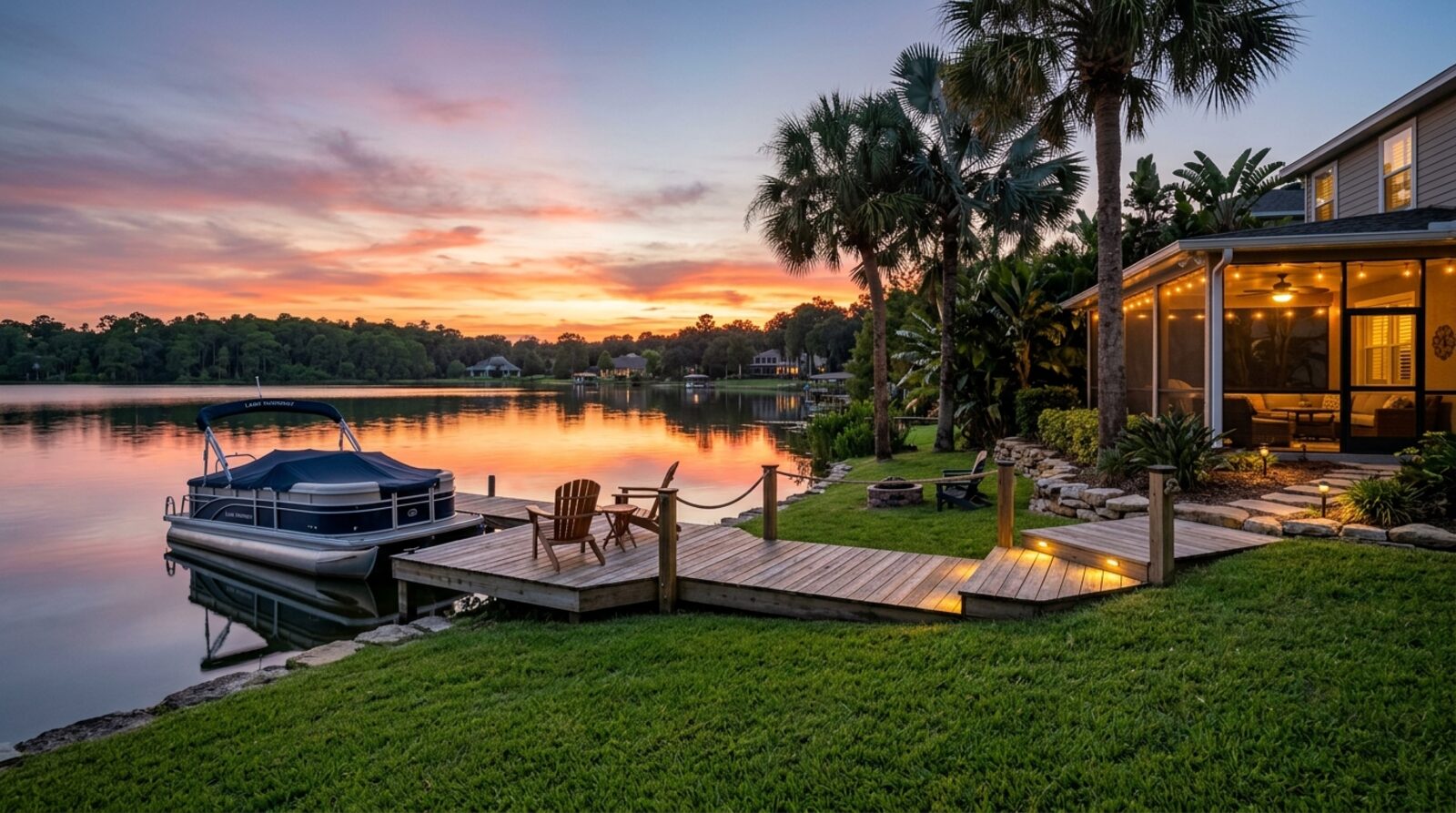
The buyer profile for coastal Brevard is not primarily local move-up buyers. It's a combination of four distinct groups, and knowing which one your home will attract shapes everything from your pricing to your marketing to your listing timing.
Snowbirds and retirees from the Northeast and Midwest are the dominant buyer segment in most beachside communities. They're typically 55+ homeowners from Ohio, Pennsylvania, New York, or Michigan who have equity in a northern home, have been watching the Space Coast for years, and make their buying decision during a winter stay in the area. They often pay cash or put down 40–50%. They're not in a hurry, but when they decide, they move.
Aerospace executives and senior engineers are buying lifestyle over commute. A senior engineer at SpaceX or L3Harris who's been commuting from Viera to the Cape may decide the 30-minute drive is worth it to live on the Indian River or walk to the beach. This buyer is usually younger (40s–50s), highly compensated, and motivated by lifestyle. They often finance but with substantial down payments.
Remote workers relocated to Florida for lifestyle. The COVID-era remote work shift accelerated this trend and it hasn't fully reversed. A software engineer or consultant from California or the Northeast who can work from anywhere has discovered that Melbourne Beach with a fast internet connection beats their overpriced urban apartment. This buyer skews younger, may be more flexible on timing, and is comparison-shopping across multiple Florida markets simultaneously.
Investment buyers are active in certain beachside communities — particularly Cape Canaveral and Cocoa Beach, where short-term rental activity is legal and tourism is consistent. This buyer is doing cap rate math, not lifestyle math. They're looking at gross rental income, occupancy rates, and total acquisition cost. Price them differently than you'd price to an owner-occupant.
Pricing Waterfront and Beachside — The Comp Problem
The most important principle: comp your property to comparable coastal properties only. This sounds obvious, but it's frequently where sellers and agents go wrong.
A 2,000 square foot home in Satellite Beach is not comparable to a 2,000 square foot home in inland Melbourne, even if they're 5 miles apart. The lifestyle premium — the beach, the salt air, the walking distance to the ocean, the community character — is real and substantial. Using inland comps to price a beachside home undervalues it. Using beachside comps to price an inland home would do the reverse.
Within beachside properties, distinctions matter enormously. Direct ocean frontage is different from ocean view is different from "one block from the beach." Intracoastal/Indian River frontage is different from Indian River views is different from near-river with no water access. A skilled agent in this market pulls comps that actually match your property's access level and adjusts for the differences — they don't just look at zip code and square footage.
The challenge in some beachside communities is thin comps. Satellite Beach, Indialantic, and Melbourne Beach are not high-volume transaction markets. There may be only 3–5 true comparables in the last 6 months, and each one has meaningful differences from your property. This is where agent judgment matters more than algorithm — the CMA is part art, not just data.
The Insurance Conversation — Handle It Before It Handles You
Florida's property insurance environment has created real friction in coastal transactions. Buyers know about it, their agents know about it, and the issue will come up during due diligence. The question is whether it surfaces as a deal-killer or a managed conversation.
Get a wind mitigation report before you list. This is an inspection that assesses your home's construction features that affect wind resistance — roof shape, roof-to-wall connections, roof covering, and opening protection. Homes with favorable wind mitigation attributes qualify for meaningful insurance discounts. Having this report ready shows buyers exactly what their insurance situation looks like, which removes uncertainty.
Get a 4-point inspection as well. This inspection covers four systems: roof, electrical, plumbing, and HVAC. Lenders require it for insurance on homes over 10–15 years old. Buyers and their insurance agents will use it to estimate insurance cost. A 4-point with issues is not necessarily a problem — it depends on the issues. A 4-point where the panel is a Federal Pacific, the roof is at end of life, or the plumbing is polybutylene is a problem, and you want to know about it before the buyer does.
Flood zone status matters. Know which FEMA flood zone your property is in. AE or VE zones require federal flood insurance, which adds to the buyer's annual costs. This affects their affordability calculation and needs to be priced into your expectations. Buyers can request a letter of map amendment (LOMA) or LOMR-F if they believe their property's elevation doesn't warrant flood zone designation — but that's a lengthy process. Know your zone before you list.
Timing: When to List on the Space Coast
Snowbird season defines optimal timing for beachside communities. Snowbirds start arriving in October and are most active as buyers between October and February. They make decisions and get under contract during their stay, then close before they head home in the spring.
This means a September or October listing can catch the snowbird buyer pool at its most active — fresh, motivated, and not yet under contract on something else. A home listed in September that's presented well and priced correctly can have a buyer under contract by November.
If you miss the snowbird window and list in March, you're now competing for spring season buyers — a different, often younger demographic — while the snowbirds are already gone or have already bought. Spring is still a viable selling window, but it's a different buyer conversation.
For aerospace-proximate coastal properties (Merritt Island, Cape Canaveral, Rockledge riverfront), the aerospace hiring cycle also brings buyers to coastal properties in January–February. These buyers are local to the area via relocation and may be looking at beachside for the first time.
Community-Level Notes
Satellite Beach is a walkable beach town with a genuine small-community feel and direct Atlantic Ocean access. Inventory is extremely limited — the city is geographically constrained and there's almost no land for new development. Buyers who want Satellite Beach know it, and they're patient. A well-priced, well-presented home here will find a buyer.
Indialantic has a slightly more residential, less commercial character than Satellite Beach to the north. South Brevard beach lifestyle buyers tend to cluster here. Slightly more inventory than Satellite Beach but still a constrained market.
Melbourne Beach is the quietest and most exclusive of the beachside communities, with restricted commercial activity and a reputation for privacy. Buyers here are specifically choosing it over the other beachside communities. The buyer is often older, often paying cash, and looking for a specific lifestyle.
Indian Harbour Beach sits between Satellite Beach and Eau Gallie and offers a blend of lifestyle and relative value compared to communities to the south. Good schools, access to the beach, and close proximity to Melbourne employment make this a strong market for professional families.
Cape Canaveral and Cocoa Beach have the highest tourist traffic and the most active short-term rental markets. The buyer mix includes investors and owner-occupants. The KSC proximity gives this market a unique buyer type — launch viewers, industry visitors, and aerospace professionals.
Intracoastal / Indian River Frontage is its own market. Riverfront homes on the Indian River offer water access, boating, and water views without the Atlantic Ocean insurance complexity. The buyer is typically a boating lifestyle buyer — they want a dock more than they want beach access. Strong demand from buyers who want Florida waterfront without the highest insurance tier.
For a detailed look at what your coastal property is worth in today's market, visit /sell/brevard-county-fl, start with a free home valuation, or reach out directly for a valuation that accounts for your specific water access, community, and condition.
The next step
Thinking about a move?
Whether you're two months out or two years out, the right information now saves real money later. Let's talk — no pressure, no pitch.