· 8 min read· By Ryan Solberg, Broker #BK3354351
Selling a Home with a Tenant in Florida: Landlord Rights, Tenant Rights, and How to Navigate It
Selling a tenant-occupied property in Florida requires understanding both landlord rights and tenant protections — which vary significantly based on lease type and local regulations. Here's what sellers need to know.
Selling a rental property with a tenant in place is one of the more complex real estate transactions in Florida — it involves overlapping landlord-tenant law, disclosure requirements, and buyer negotiation dynamics that don't exist in owner-occupied sales.
Here's how to navigate it effectively.
Know your lease type first
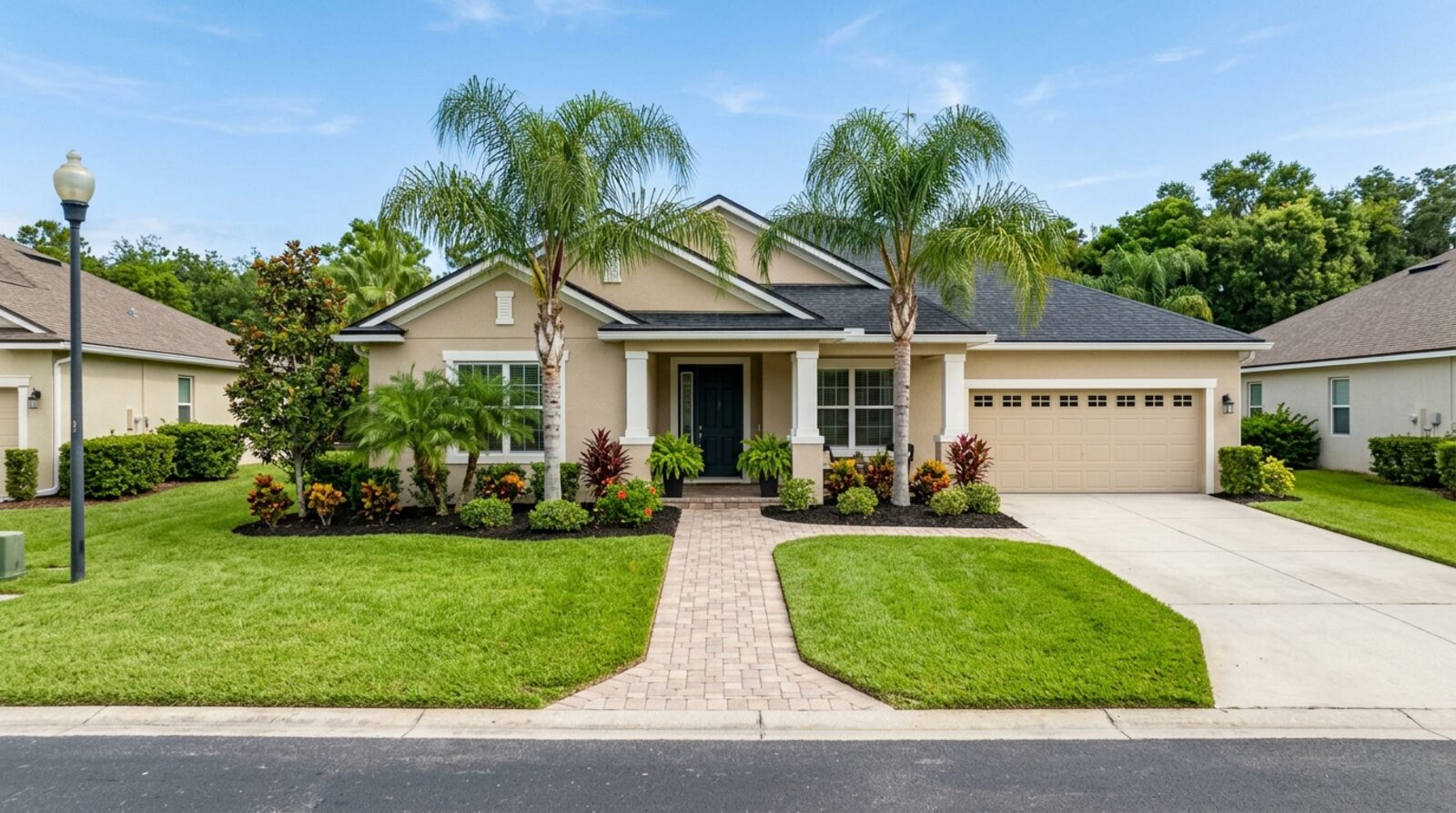
Your options as a seller depend entirely on the type of tenancy:
Month-to-month tenancy
Month-to-month tenants can be asked to vacate with proper notice (Florida statutory minimum: 15 days before end of a monthly period). This is the most flexible situation for sellers.
Options:
- Give notice and sell vacant after tenant moves
- Sell with month-to-month tenant in place (buyer can decide to continue or terminate tenancy)
- Negotiate a cash-for-keys arrangement to get the tenant to move by a specific date
Fixed-term lease (6 months, 1 year, etc.)
You cannot remove a fixed-term tenant simply because you want to sell. The lease runs with the property — a buyer takes on the landlord obligations under the existing lease until it expires.
Options:
- Wait for the lease to expire before listing (or list when the lease is 30–60 days from expiration)
- Sell with the tenant in place — buyer purchases as an investment property with active tenancy
- Negotiate a mutual termination agreement with the tenant (cash-for-keys; tenant agrees to move early in exchange for compensation)
Important: Even if you sell the property, the tenant's lease survives the sale. A new owner cannot evict a fixed-term tenant simply because of the ownership change. Florida law (and federal protections for certain federally-backed mortgages) requires the lease to run its full term.
Disclosure requirements
Florida's seller disclosure requirements apply to tenant-occupied properties:
Lease disclosure: Buyers must be informed of the existing tenancy — lease terms, rent amount, deposit held, and any lease provisions. The lease is typically provided to the buyer during the due diligence period.
Security deposit: The seller typically holds the tenant's security deposit. At closing, the security deposit transfers to the buyer or is accounted for in the closing statement. The buyer becomes responsible for returning it when the tenancy ends.
Rental income and history: Investment buyers will want rental income history — how long the tenant has been in place, payment history, any prior late payments or lease violations.
Property condition issues related to tenancy: If the tenant has caused damage or there are maintenance issues, these must be disclosed. Don't try to obscure deferred maintenance by limiting property access.
The showing challenge
Showing a tenant-occupied property is one of the more practically difficult aspects of this transaction. Under Florida Statute 83.53:
- You have the right to enter with 12 hours notice during normal business hours
- The tenant cannot unreasonably refuse access
However, legal rights don't automatically translate to smooth showings. A tenant who:
- Doesn't clean or prepare for showings
- Has pets that are present and off-putting
- Speaks negatively about the property to buyers
- Reschedules or makes access difficult
...can significantly impair your ability to sell or the price you achieve.
Strategies for managing showings:
Build a cooperative relationship early: Contact the tenant before listing, explain your plans, and understand their situation. A tenant who knows you're respectful and gives them adequate time to find alternative housing is more likely to cooperate.
Cash-for-keys incentive: Offer the tenant a financial incentive to maintain the property, cooperate with showings, and/or move out by a specific date. This is often the most cost-effective solution — a $1,500–$3,000 incentive is worth it if it enables vacant showings that achieve a higher sale price.
Showing compensation: Some landlords offer a small showing fee ($25–$50 per showing) to compensate tenants for their time and inconvenience. This creates a financial incentive for cooperation.
Limit showings to specific windows: Negotiate a showing schedule with the tenant — e.g., Tuesday/Thursday 4–7pm and Saturday 10am–2pm. Focused windows reduce intrusion while maintaining reasonable access.
Pricing a tenant-occupied property
Selling with a tenant affects pricing in several ways:
Discount for occupied condition: Buyers purchasing with a tenant cannot always immediately access the property, cannot stage for maximum appeal, and may inherit a tenant whose relationship with the property (and lease terms) they're taking on. This typically results in a slight discount versus comparable vacant properties — typically 3–8% depending on tenant situation, lease terms, and rental rate relative to market.
Premium for below-market rent: If the tenant is paying below market rent, the discount may be larger — an investor taking on the property is taking on a below-market-rent lease until expiration.
Premium for strong tenant and above-market rent: If the tenant has a clean payment history and is paying at or above market rent, this can actually support the price — an investor is purchasing immediate income at a strong rate.
Investment buyer pricing: Investment buyers (the most natural buyers for tenant-occupied properties) evaluate on cap rate — annual net income divided by purchase price. Ensure your pricing makes sense within the cap rate expectations of investor buyers for your market and property type.
The cash-for-keys approach
If you want to sell vacant but have a fixed-term lease, the most efficient path is typically negotiating a mutual termination:
- Approach the tenant with a clear, written offer
- Propose a specific move-out date (ideally 30–45 days to give them time to find alternatives)
- Offer compensation: cash payment, waiver of last month's rent, or a combination
- Put the agreement in writing — a signed mutual termination of lease, effective on the agreed date
- Return the security deposit on the move-out date once the property is inspected
Typical cash-for-keys amounts in Central Florida: $1,000–$4,000 depending on how much time remains on the lease and how cooperative the tenant needs to be. This cost is often recovered in the higher sale price achieved on a vacant, staged property.
What doesn't work: Informal verbal agreements that the tenant will "move out soon," increasing rent aggressively to push the tenant out, or attempting to make conditions uncomfortable — these create legal liability and often result in the tenant staying longer and becoming less cooperative.
The investment buyer sale
If selling with a tenant in place (not pursuing vacant), market to investment buyers specifically:
- Prepare a rent roll showing current rent, lease term, and security deposit held
- Provide rent payment history (especially the last 12 months)
- Disclose any lease-related maintenance issues or deferred items
- Price based on comparable investment property cap rates, not owner-occupied comparables
Investment buyer transactions often proceed faster than owner-occupied sales because investors have fewer financing contingency issues (more cash buyers) and are less emotionally attached to inspections — though they'll still scrutinize the property and lease carefully.
Ryan Solberg has represented sellers of tenant-occupied investment properties throughout Central Florida — including managing the tenant relationship, pricing the occupied-property discount, and marketing to investor buyers. If you're selling a rental property, start with a free home valuation to see what your property is worth as-is, then contact Ryan for a strategy specific to your lease situation.
Frequently asked questions
- Can I sell my rental property in Florida while a tenant is living there?
- Yes — you can sell a tenant-occupied property in Florida. If the tenant is month-to-month, you can provide notice to vacate (typically 15 days notice in Florida for month-to-month tenancies, or as specified in your lease) and sell after they vacate. If the tenant has a fixed-term lease, you generally cannot remove them until the lease expires — but you can sell the property with the tenant in place. The buyer takes on the landlord role with the existing lease terms. Many investors specifically purchase tenant-occupied properties for the immediate rental income.
- What notice do I have to give a month-to-month tenant in Florida?
- Florida Statute 83.57 requires a minimum of 15 days advance written notice before the end of a monthly period to terminate a month-to-month tenancy. For example, if rent is due on the 1st, you must give notice by the 16th of the previous month. However, always review your specific lease — it may provide additional notice rights beyond the statutory minimum. Some standard lease forms include 30 or 60 days notice requirements. The notice must be in writing.
- Does a tenant have to let me show the property in Florida?
- Florida Statute 83.53 gives landlords the right to enter a tenant-occupied property with 12 hours advance notice during normal business hours for the purpose of showing the property to prospective buyers. The tenant cannot unreasonably refuse access if proper notice is given. However, in practice, uncooperative tenants can make showings extremely difficult — they must be home or provide access, and an antagonistic tenant can create problems that affect buyer perception. Building a cooperative relationship with your tenant before listing is far more effective than relying solely on the legal right of access.
- Should I ask my tenant to move before listing?
- It depends on the lease type, tenant relationship, and market conditions. Selling vacant typically achieves a higher price — vacant properties are easier to show, buyers can see the home clearly, and the property can be staged. However, asking a tenant to vacate has costs: you may need to offer a relocation incentive, you lose rental income during the sale period, and if the sale takes longer than expected, you lose income on a vacant property. If you have a month-to-month tenant and a cooperative relationship, a cash-for-keys arrangement (paying the tenant to vacate by a specific date) is often the most efficient path to a clean vacant sale.
The next step
Thinking about a move?
Whether you're two months out or two years out, the right information now saves real money later. Let's talk — no pressure, no pitch.