· 7 min read· By Ryan Solberg, Broker #BK3354351
Can You Sell Your Home in Florida Without an Open House? Yes — Here's How
Open houses are optional — not required. Here's how Florida sellers skip them while still attracting serious, qualified buyers quickly.
If you're planning to sell your Florida home and the idea of dozens of strangers walking through your house on a Saturday afternoon makes you uncomfortable — you're not alone, and you're not stuck. Open houses are optional. Not required. Not even particularly effective at what most sellers assume they do.
Here's a straightforward guide to selling your home without an open house, why it works, and how to do it right.
The Open House Myth
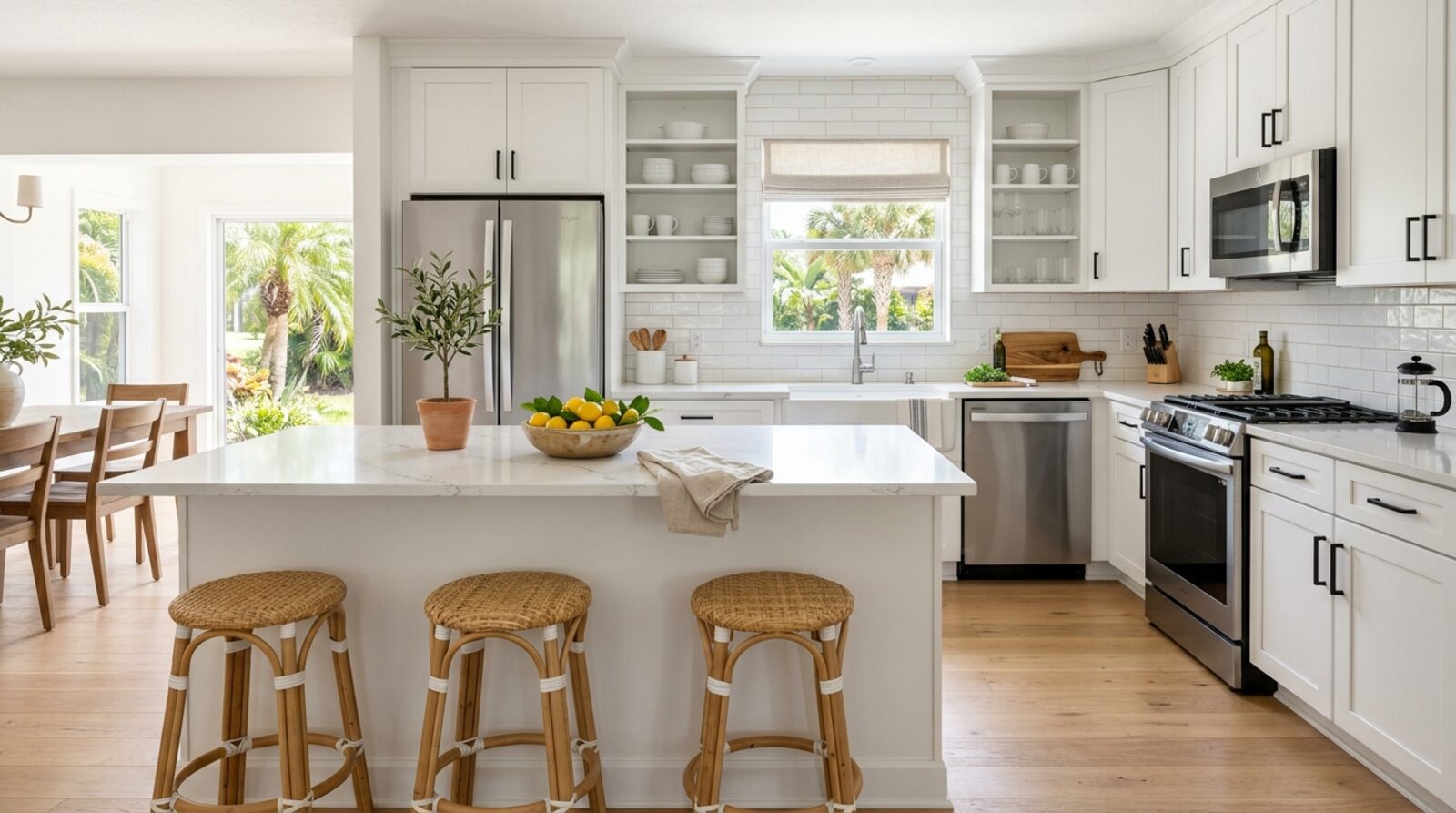
Most sellers assume open houses are a core part of selling a home. That assumption comes from years of seeing "Open House Sunday 1-4pm" signs in the neighborhood and hearing agents talk about them enthusiastically. But the National Association of Realtors' own data consistently shows that only 2-3% of buyers find their home through an open house.
The other 97-98%? They find homes through:
- The MLS (which feeds Zillow, Realtor.com, Redfin, and every other portal)
- Their buyer's agent, who is searching the MLS for them
- Online searches and portal alerts
- Direct referrals from friends or family
Open houses are a visibility tool — they can occasionally produce a buyer. But they are not driving the overwhelming majority of home sales. The MLS is. Your online listing is. Your agent's network of buyer's agents is.
Understanding this changes the conversation. You don't need an open house to sell your home. You need excellent marketing — which looks different from what most people picture.
When Open Houses Actually Help
There are situations where an open house genuinely makes sense:
Vacant homes: Nobody is disrupted. No security concerns about valuables. The home is always show-ready. A weekend open house for a vacant property has minimal downside and can generate useful traffic.
Highly renovated or unique homes: If your home has features that photograph beautifully but really come alive in person — a dramatic kitchen renovation, a backyard oasis, exceptional craftsmanship — an open house lets you maximize exposure to buyers who might not have otherwise scheduled a private showing.
Competitive launch strategies: In a hot market, some sellers use a broker's open (agents only) plus a public open house during the first weekend to concentrate showing activity and pressure buyer decision-making. This can work, but it's a strategy choice, not a requirement.
When Open Houses Hurt More Than Help
For most occupied sellers, open houses create problems that outweigh the benefits:
Security risks: Open houses bring unaccompanied strangers through your home. Valuables, medications, and sensitive documents are vulnerable. Professional thieves do case homes during open houses.
Privacy concerns: Neighbors, curious non-buyers, and people who have no intention of purchasing often attend open houses. Your financial situation, your decor choices, and your family's lifestyle become community entertainment.
Disruption for families: If you have young children, pets, or anyone with health concerns, clearing out of your home for a 2-3 hour open house every weekend is genuinely disruptive. And in today's market, your home may be listed for 30-50 days — that's potentially 4-6 weekends of disruption.
Unvetted traffic: Buyers who show up to open houses are often unqualified, not working with a buyer's agent, or early in their research process. Private showings, by contrast, filter for buyers whose agent has confirmed they're serious and pre-approved.
What Replaces the Open House
If you're selling without public open houses, here's what your marketing plan needs to include instead:
Professional Photography — Non-Negotiable
This is the single most important marketing investment for any home sale, open house or not. NAR data shows homes with professional photography sell approximately 32% faster than homes with amateur photos. Your listing photos are the first impression for every buyer who searches online — and that's nearly all of them.
Professional photography means a photographer with real estate experience, proper equipment, and ideally twilight or bright natural light shots. Phone photos from your agent are not professional photography, regardless of what your agent's phone cost.
3D Matterport Tour
A Matterport virtual tour lets buyers walk through your home remotely before scheduling an in-person showing. The effect is powerful: buyers who complete a virtual tour are more serious when they schedule a private showing because they've already pre-qualified themselves. They know the layout, the room sizes, the flow. You get fewer showings from people who "just want to see it" and more showings from buyers who are genuinely interested.
For sellers who don't want open houses, a Matterport tour is the closest substitute — it gives buyers the walk-through experience without requiring your home to be open to the public.
Video Walkthrough
A narrated video walkthrough (published to YouTube and shared on social media) reaches buyers who might not be actively searching but are passively browsing. Video also performs well in paid advertising targeting.
Targeted Digital Marketing
Your listing agent should be running Facebook and Google advertising targeted to buyer demographics — in-market home shoppers in the relevant income range and geography. These are buyers who may not have found your listing organically but will see it via a targeted ad. In a private-showing-only strategy, digital marketing fills some of the open house's visibility function.
Agent Network and Buyer's Agents
Your listing agent's relationships with buyer's agents are one of the most underappreciated marketing tools in real estate. When a listing agent has a reputation for being easy to work with, communicating promptly, and representing good properties — buyer's agents show those listings first. Your home being recommended by a trusted listing agent to an active buyer's agent network is worth more than a Saturday afternoon of open house traffic.
"Coming Soon" Pre-Market Exposure
Ask your agent about listing your home in "coming soon" status before it officially goes live. This typically means 7-21 days of pre-market visibility on the MLS — buyers and agents can see the property is coming and flag it for follow-up. Done correctly, this creates a day-one pipeline of scheduled showings and can produce multiple-offer situations without a single open house.
Setting Up Private Showings That Protect You
Private, appointment-only showings are not just "not open houses" — they're actually better for sellers in most respects. Here's how to set them up correctly:
Require pre-approval before showings: Your listing agent should instruct all buyer's agents that their client needs a current pre-approval letter on file before a showing is scheduled. This filters out unqualified lookers.
Set a 24-hour notice requirement: Standard in most markets. This gives you time to prepare, make arrangements for pets or children, and decide whether the timing works.
Establish restricted times: If you have young children who nap at noon, or a family member who works nights, you can restrict showing times. Buyers and their agents will work around reasonable restrictions.
You don't need to be home: Most sellers leave during showings. The buyer's agent accompanies their client. Your agent can coordinate lock box or key access.
Review showing feedback: After each showing, your agent should follow up with the buyer's agent for feedback. This gives you real market intelligence — what buyers like, what concerns are arising — without the unstructured commentary of an open house.
The Florida Timing Factor
In Central Florida's current market, the first 7-10 days on market are critical regardless of whether you hold an open house. Buyer interest is highest when a listing is new. Price reductions and extended market time hurt perceived value.
This means your launch strategy needs to be right:
- Correct pricing based on actual closed comparable sales
- Professional photos and virtual tour ready before the listing goes live
- Your agent's marketing already running on day one
- Showings available immediately upon going active
A home with excellent photography, correct pricing, and appointment-only showings will outperform a poorly-priced home with six open houses every weekend.
The Bottom Line
Open houses are one marketing tool among many — not a requirement, not a proven price-maximizer, and for occupied sellers with privacy concerns, often more trouble than they're worth. The vast majority of buyers find homes through online platforms and buyer's agents. Your marketing plan should be built around those channels.
If you're thinking about selling your home and want to understand what a private-showing-only marketing strategy would look like for your specific situation, start with a free home valuation, read through our seller guide, or get in touch directly. Every home is different, and the right strategy depends on your property, your timeline, and your priorities as a seller.
Frequently asked questions
- Do open houses actually increase sale price?
- The data says no. Multiple NAR studies have shown no statistically significant difference in final sale price between homes that held open houses and those that didn't. Open houses can generate visibility and occasionally produce a buyer, but they are not a proven price-maximization tool. Professional photography, MLS exposure, and pricing strategy have far more impact on final sale price.
- What if my agent says I need an open house to sell?
- Have a direct conversation about the strategy. Some agents use open houses as lead generation tools — they meet potential buyers who aren't yet working with an agent. That's a legitimate business reason for the agent, but not necessarily a benefit to you as the seller. Ask specifically: 'What percentage of your listings that sold without an open house closed successfully?' A good agent will give you an honest answer and respect your preference for private showings.
- How do I handle showings if I have pets or young children?
- Appointment-only private showings are actually easier to manage with pets and kids than open houses. You get 24-hour advance notice, you can remove pets or arrange care, and you can time showings to minimize disruption. Open houses require your home to be show-ready for 2-3 hours while strangers wander through — much harder to manage when you have a dog or young children. Private showings are genuinely the better option for occupied families.
- What is a 'coming soon' listing and should I use one?
- A coming soon listing markets your home on the MLS in a pre-active status before it officially goes live for showings. This creates anticipation — buyers and agents see the property is coming and line up to schedule showings on day one. Coming soon periods typically run 7-21 days. This strategy can generate multiple showing requests before the first day on market, which can lead to multiple offers. It's a powerful tool that replaces the 'launch weekend open house' approach for many sellers.
- How does a private showing work — who gets to see my home?
- Private showings are appointment-based. Your listing agent coordinates with buyer's agents who have qualified clients. Before a showing is scheduled, serious listing agents require the buyer's agent to confirm the buyer has a current pre-approval letter. The buyer's agent accompanies their client during the showing. You don't need to be present — most sellers leave during showings. You control the schedule, the notice period (typically 24 hours), and any specific access restrictions.
The next step
Thinking about a move?
Whether you're two months out or two years out, the right information now saves real money later. Let's talk — no pressure, no pitch.