· 11 min read· By Ryan Solberg, Broker #BK3354351
How to Sell a Home in Orlando: Step-by-Step Guide (2026)
Selling a home in Orlando in 2026 takes strategy, timing, and local knowledge. Here is the full process — from pre-listing prep through closing day — written from my experience as a licensed broker in Central Florida.
Selling a home in Orlando in 2026 is not complicated — but it rewards preparation and penalizes guesswork. I have sold hundreds of homes across Central Florida as a licensed broker, and the sellers who net the most are the ones who understand the process before it starts. Here is the complete playbook.
The Orlando Market in 2026: What Sellers Need to Know
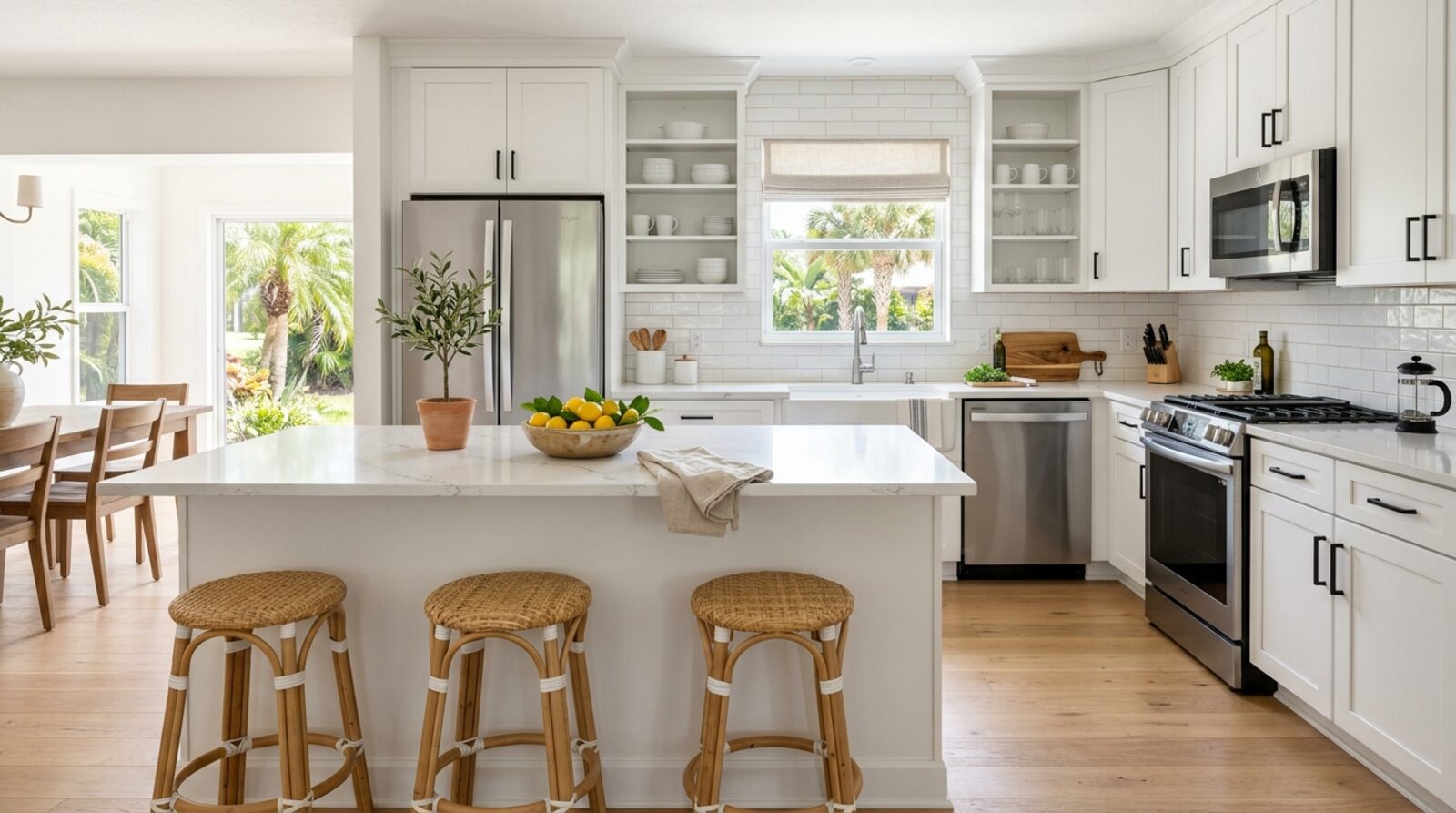
Orlando's housing market in 2026 is in balanced-to-slightly-seller-favored territory. Days on market sit around 35–40 days for well-priced homes, down from the frenzied 7-day pace of 2021–2022 but well below the 60-plus days that characterized the correction years.
What this means practically: you will likely receive offers, but not necessarily within the first 48 hours. Buyers are more deliberate than they were three years ago. They are doing inspections, negotiating, and using appraisal contingencies. That is not a market you can overprice your way through.
The good news: demand in Orlando remains structurally strong. Population growth from domestic migration, a diversified local economy, and consistent tourism sector employment all continue to push housing demand. The sellers who come to market priced accurately and presented professionally are still winning.
Timing matters more than most sellers think. The traditional peak season in Orange County runs February through June — school-timing buyers closing before the school year ends, in-migration picking up, buyer motivation at its highest. If you have flexibility, listing between late February and mid-April historically generates the most buyer activity. September–November brings a smaller but more motivated buyer pool; December–January is the toughest window.
Step 1: Pre-Listing Prep — Declutter, Repair, Stage
The goal of pre-listing prep is not to renovate your home. It is to remove any reason for a buyer to either skip your home in an online search or discount their offer when they walk through.
Declutter first. Buyers need to visualize themselves in your space. Crowded rooms photograph small and feel chaotic during showings. Rent a storage unit if needed — it is worth it.
Address visible deferred maintenance. A leaking faucet, a cracked tile, peeling caulk — buyers notice these and assume there is more they are not seeing. These small repairs are cheap and pay back multiple times over in buyer confidence.
Consider staging based on your price range. In the $600,000-plus range, professional staging is almost always worth the cost. In the $300,000 range, a good declutter and some furniture rearrangement is often sufficient. I walk through every listing with clients before professional photography and give specific, honest guidance on what to fix and what to leave alone.
Landscaping and curb appeal matter more in Florida. Buyers are making value judgments from the street before they step inside. In Central Florida's climate, a well-maintained yard and a pressure-washed driveway are table stakes. And spend where the return is: I once watched a seller put $25,000 into a kitchen remodel that returned maybe $15,000 at sale, while $2,000 of landscaping and staging on another listing returned roughly ten times its cost. Presentation dollars beat renovation dollars almost every time.
Get a 4-point inspection before you list. A 4-point covers the four systems Florida insurers care about: roof, electrical, HVAC, and plumbing. Florida insurance companies have gotten aggressive about declining coverage on older roofs (15+ years) and certain electrical panel brands (Federal Pacific, Zinsco) — and the buyer's lender will require an insurance binder before closing. If your roof is 18 years old, you need to know before the buyer's inspector finds it, so you can price accordingly or negotiate from disclosure rather than surprise.
Consider a wind mitigation inspection too. A wind mitigation report documents your home's hurricane-resistant features — hip roof, secondary water resistance, impact windows or shutters. If your home qualifies for insurance discounts, a buyer's premium can be significantly lower than they'd estimate, which strengthens offers from buyers on the fence about affordability.
Step 2: Pricing Strategy — CMA, Appraisal, and Market Position
Price is the single biggest variable in how your home performs. Get this wrong and you cannot fix it.
What a Comparative Market Analysis (CMA) actually tells you. A CMA looks at recently sold homes that are similar to yours — same neighborhood, similar square footage, similar condition, same bedroom and bathroom count — and establishes a market value range. This is the same methodology appraisers use. If your pricing diverges significantly from that range, you either collect no offers (overpriced) or leave money on the table (underpriced).
Pricing to attract versus pricing to appraise. These two goals can be in tension. In Orlando in 2026, appraisers are not consistently hitting high contract prices in areas where appreciation has outpaced comparable sales activity. If you price at the top of your range to attract competitive offers, you should also think about what happens if the appraisal comes in short. The answer is usually to ensure your pricing is defensible by recent sales data — not just buyer enthusiasm.
The Zestimate problem. Zillow's automated estimate runs 6–15% off in most Central Florida markets, and the error is not random — it tends to overvalue homes with unique features (premium lots, custom finishes, waterfront) and undervalue older homes in tight-inventory neighborhoods. I've seen a Zestimate sit $120,000 over actual market value on a $650,000 home. Using an AVM as your pricing foundation is the fastest way to overprice and sit.
One common mistake I see: sellers who anchor their price to what they need to net, rather than what the market will support. The market does not care about your mortgage payoff or your move-up plans. Price for the market, understand your net proceeds, and plan from there.
Step 3: Photography and Videography — Drone Shots Are Non-Negotiable
In most markets, professional photography is important. In Orlando, it is essential — and drone photography is not optional.
Here is why: a significant percentage of homes in Central Florida back to water, have pools, or are part of amenity-rich communities. Buyers shopping in this market expect aerial photography. When a competing listing has drone shots showing a screened pool, a lake view, and mature landscaping, and your listing has ground-level smartphone photos, you are not competing.
What I include in every listing:
- Full professional interior photography (wide angle, properly lit)
- Twilight exterior shots for listings that show well at dusk
- Drone aerials of the property and surrounding area
- Video walkthrough or 3D tour for listings above $500,000
The photography session typically takes 2–4 hours. Plan for it. Make sure the home is fully prepared, the pool is clean, cars are off the driveway, and ceiling fans are off so blades don't blur in photos.
Step 4: Going Live on MLS — Stellar MLS and IDX Syndication
In Central Florida, listings go on Stellar MLS, which is the regional MLS covering Orange, Seminole, Osceola, Lake, Volusia, and several surrounding counties. From Stellar MLS, your listing syndicates automatically to Zillow, Realtor.com, Homes.com, Redfin, and hundreds of brokerage IDX feeds.
Input accuracy matters. MLS data fields — square footage, lot size, HOA fee, school zones, community features — feed directly into the search filters buyers and buyer's agents use. If your HOA information is wrong or your community amenities are not listed, qualified buyers might not find you.
The listing goes live strategically. We typically stage the launch for a Thursday or Friday so that buyers and agents see it fresh heading into the weekend showing window. Going live on a Monday means you lose three days of peak traffic.
Step 5: Showing Strategy — Open Houses vs. Appointment-Only
There is no universal right answer here — it depends on your neighborhood, your lifestyle, and what creates the best environment for offers.
Open houses work well in high-traffic communities, on homes with strong curb appeal, and when you want to create a perception of competition. In some Orlando submarkets, a well-publicized launch weekend with two open houses generates multiple offers by Sunday evening.
Appointment-only showings work better in luxury price ranges ($800,000+), in private or gated communities, and when the typical buyer is an agent-represented purchaser doing careful due diligence rather than weekend shopping. This format also tends to attract more serious buyers and fewer browsers.
My typical recommendation: for most Orlando homes under $600,000, I suggest a combination — a well-promoted open house launch weekend, followed by appointment-only showings. It creates urgency without exhausting you for weeks.
Step 6: Reviewing Offers — Price vs. Terms
When offers come in, price is the first number you see. It is not the only one that matters.
Key terms to evaluate alongside price:
- Financing type. Cash offers close faster and skip appraisal risk. Conventional financing is solid. FHA and VA loans are fine but come with specific property condition requirements worth understanding.
- Earnest money deposit. Higher earnest money signals buyer commitment. In Orlando, typical earnest money is 1–3% of the purchase price.
- Inspection period. Standard in Florida is 10–15 days. Shorter is not always better — a buyer who waives inspection entirely is a risk.
- Appraisal contingency. Does the buyer need the home to appraise at the purchase price? If so, what happens if it doesn't? Some offers include appraisal gap coverage clauses where the buyer agrees to pay above appraisal up to a specified amount.
- Closing timeline. Does the seller's timeline match yours? A higher offer with a 60-day close when you need 30 days creates real problems.
- Escalation clauses. In a multiple-offer situation, some buyers submit an offer with an escalation clause that automatically increases their offer in specified increments above competing offers, up to a cap. These require careful reading — the cap and escalation increment are what matter.
Step 7: Negotiation — Inspection Repairs and Appraisal Gaps
Two negotiation points routinely trip up sellers in Orlando in 2026.
Inspection repair negotiations. After the buyer's inspector walks the property, the buyer can request repairs or credits during the inspection period. Florida is an "as-is" contract state by default — you are not automatically required to repair anything — but most buyers will submit a repair request and most sellers negotiate rather than risk the deal falling through.
My approach: distinguish between material items (roof damage, structural issues, HVAC failure, active water intrusion) and cosmetic items (caulk, paint, minor door hardware). Material items usually require a response. Cosmetic items are often worth pushing back on. Offering a credit rather than doing repairs yourself gives you control over cost and timeline.
Appraisal gap situations. If the appraisal comes in below the contract price, the buyer's lender will only lend on the appraised value. The buyer must either make up the difference in cash, negotiate a price reduction, or walk away. In 2026's market, this is happening regularly in appreciation-heavy areas. The negotiation here is fact-based: look at the appraisal itself, assess whether it used the best comparable sales, and decide whether a price reduction, buyer-paid gap, or split makes sense.
Step 8: Contract to Close — The Florida Title Process
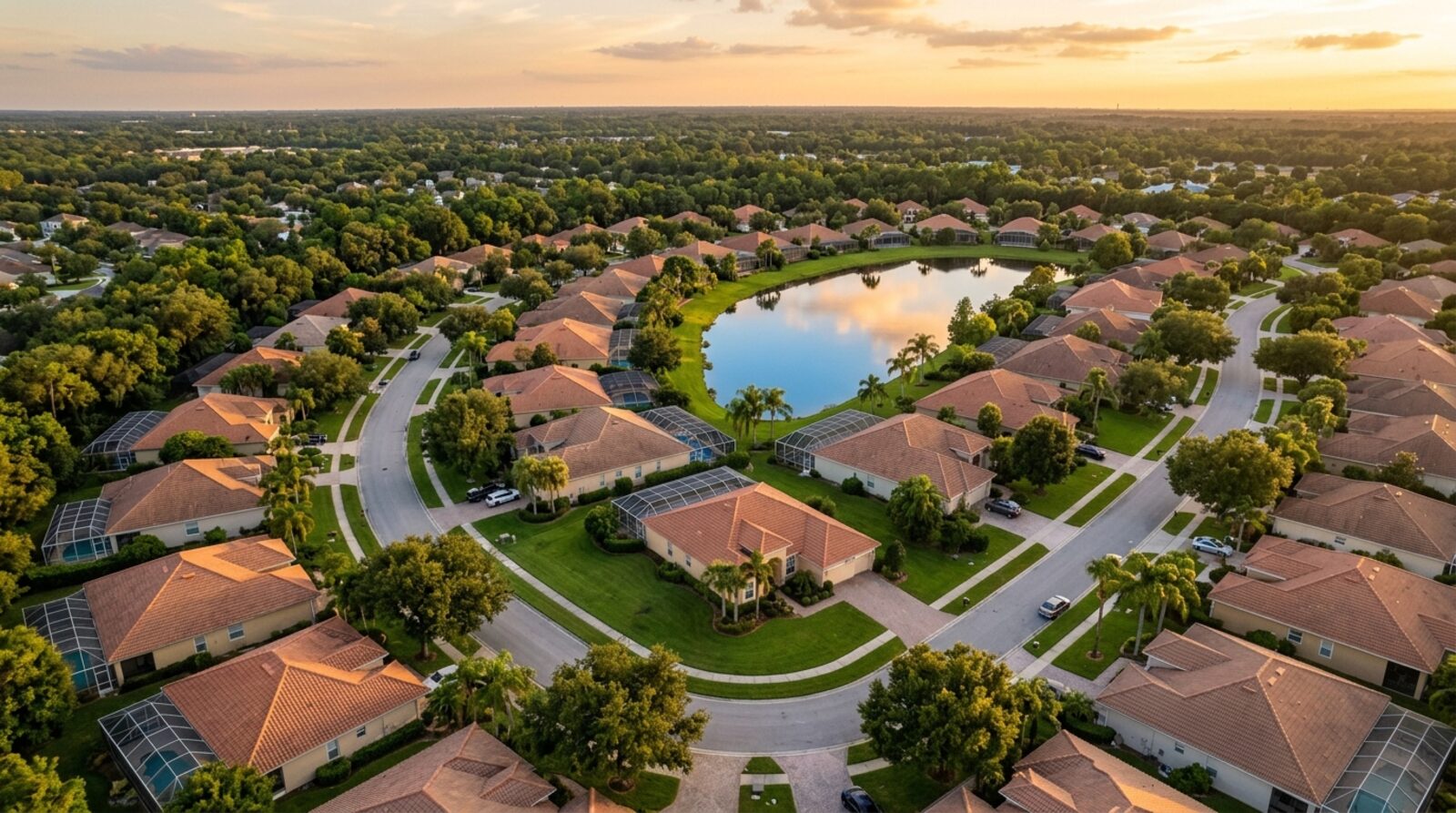
Once both parties are under contract, the file moves to a title company (in Florida, closings are almost always handled by title companies rather than attorneys, though attorneys are sometimes involved as well).
What happens during the 30–45 day closing period:
- Title company opens the file, orders a title search
- Buyer submits loan application and begins underwriting (if financing)
- Appraisal is ordered by the lender (typically week 2–3)
- Inspection is completed during the inspection period (first 10–15 days)
- Any repair negotiations happen and are documented
- Buyer receives final loan approval (clear to close)
- Title company prepares closing documents
- Final walkthrough (typically 24 hours before closing)
- Closing — both parties sign; funds are wired; ownership transfers
You will sign a substantial amount of paperwork at closing. Most of it is standard. The settlement statement (Closing Disclosure) is the document that matters most — it shows every charge and credit and your final net proceeds.
Florida Seller Closing Costs: What to Budget
Documentary stamp tax. Florida imposes a documentary stamp tax on the deed at $0.70 per $100 of the sale price — approximately 0.7%. On a $500,000 sale, that is $3,500. Paid by the seller.
Owner's title insurance. In most Central Florida counties, it is customary for the seller to pay for the buyer's owner's title insurance policy. Rates vary by county but run approximately 0.5–0.6% of the sale price — roughly $2,500–$3,000 on a $500,000 sale.
Prorated property taxes. Florida property taxes are paid in arrears. At closing, you pay taxes for the portion of the year you owned the home. On a $500,000 home with an estimated annual tax bill of $6,000, a May closing means roughly $2,500 in prorated taxes credited to the buyer.
HOA estoppel fee. If your property is in an HOA, the title company will order an estoppel letter confirming your current balance with the association. Most HOAs charge $150–$500 for this letter. Some charge more.
Real estate commission. At MaxLife Realty, my listing fee is 1% of the sale price. You will also typically offer a buyer's agent commission — I advise on the appropriate amount for your market and price range. On a $500,000 sale, total commission is typically $15,000–$18,000 depending on buyer's agent compensation, versus $25,000–$30,000 at traditional rates.
Common Seller Mistakes in the Orlando Market
Overpricing and then chasing the market down. This is the single most expensive mistake. A home that sits 45 days and takes price reductions ultimately sells for less — sometimes far less — than it would have at an accurate opening price. Buyers assume something is wrong with homes that have been sitting.
Skipping professional photography. In a market as visually driven as Orlando — with pools, lakes, and resort-style amenities — listing photos are your first and most important marketing asset. Phone photos are not sufficient.
Underestimating HOA complexity. In many Orlando communities — particularly master-planned developments like Lake Nona, Horizon West, and the Dr. Phillips area — the HOA governs what repairs the buyer can request, what the seller must disclose, transfer fees that must be paid at closing, and sometimes the closing timeline itself. I have seen deals nearly fall apart because a seller did not account for a $2,500 HOA transfer and capital contribution fee that appeared on the final closing statement.
Not understanding Florida's flood zone map. If your property is in a FEMA flood zone, the buyer's lender will require flood insurance. Sellers should know their zone designation before listing — buyers will find out, and if a property is in Zone AE, it affects what a buyer can afford and what they are willing to pay.
Failing to disclose known material defects. Florida requires sellers to disclose material defects. Failing to do so — even inadvertently — can result in post-closing legal claims. If there are known issues, disclose them and price accordingly.
Why Local Expertise Matters in Orlando
Orlando is not a homogeneous market. It is dozens of distinct submarkets — each with different buyer profiles, HOA structures, school zone values, flood risk profiles, and pricing dynamics.
The same house in Windermere, Winter Garden, and Kissimmee will attract completely different buyers, require different marketing, and follow different negotiation patterns. The agent who sold six homes in Celebration is not automatically the right choice for a lakefront property in Gotha or a townhome in downtown Orlando.
What I bring to every listing: deep knowledge of local HOA documents and transfer requirements, relationships with buyer's agents across the region, familiarity with Stellar MLS comparable data in your specific community, and 15 years of experience closing transactions in Central Florida's specific legal and market environment.
Two parts of MaxLife's 27-step listing process that sellers consistently underestimate: pre-market exposure — your home reaches buyer's agents and their qualified buyers in the days before it hits MLS, so demand is building before day one — and contract-to-close management, with milestone check-ins at every stage (inspection, appraisal, loan approval, title) so nothing surprises you at the closing table.
Ready to Talk?
If you are thinking about selling your Orlando home — whether you are three months out or already ready to list — start with a free home valuation to see what it's worth today, then let's have a straightforward conversation about what it will cost you to sell and what strategy makes the most sense for your situation.
No pitch, no pressure. Call or email me directly.
Ryan Solberg — MaxLife Realty
Licensed Florida Broker | Orange, Seminole, Brevard, Polk, Lake, Volusia Counties
maxliferealty.com/contact
Ryan Solberg is a licensed Florida real estate broker and the owner of MaxLife Realty, based in Orlando. Market data referenced reflects Central Florida conditions as of mid-2026. Every transaction is different — consult directly for advice specific to your property and situation.
How to Sell a Home in Orlando, Florida
Complete step-by-step process for selling a home in the Orlando, Florida real estate market — from pre-listing preparation through closing day.
Step 1
Pre-Listing Preparation
Declutter, address deferred maintenance, and decide whether staging makes sense for your price range and timeline. Small investments in curb appeal, fresh paint, and clean landscaping consistently improve buyer perception and photography results.
Step 2
Pricing Strategy and CMA
Price based on a comparative market analysis using recent sold data — not Zillow estimates. In 2026 Orlando, pricing to attract multiple offers while pricing to appraise requires looking at both active competition and lender-acceptable comparables.
Step 3
Professional Photography and Videography
Commission professional photography including drone aerials. In a market defined by pools, lakes, and outdoor living, aerial shots are not optional — they are what stop buyers from scrolling past your listing.
Step 4
MLS Listing and Syndication
List on Stellar MLS, which syndicates to Zillow, Realtor.com, Homes.com, and hundreds of IDX-connected brokerage sites. Accurate MLS input — room counts, HOA details, community features — directly affects how many qualified buyers find your home.
Step 5
Showing Strategy
Decide between open houses, appointment-only showings, or a hybrid approach based on your neighborhood and buyer profile. In many Orlando submarkets, a strategic launch weekend with limited showing windows creates competitive urgency.
Step 6
Reviewing Offers
Evaluate price, financing terms, contingencies, earnest money, closing timeline, and escalation clauses together — not price alone. A clean offer $10,000 lower can net more than a higher offer with aggressive inspection demands and appraisal contingency gaps.
Step 7
Inspection and Appraisal Navigation
In 2026, appraisal gaps are common in high-demand areas. Negotiate appraisal gap coverage terms upfront. On inspections, focus on items that materially affect value or create liability — not a cosmetic punch list.
Step 8
Contract to Close
Florida title companies coordinate the closing process. Your role is primarily to fulfill any negotiated repair obligations, maintain the property, and be ready to sign documents (in person or by mail-away) on closing day. Typical contract-to-close timeline is 30–45 days.
Frequently asked questions
- How long does it take to sell a home in Orlando in 2026?
- Most Orlando homes go under contract within 35–40 days of listing, with closing typically following 30–45 days later. From first conversation with an agent to funded closing, plan for 60–75 days total. Homes priced sharply and presented well can go under contract in the first week. Overpriced homes can sit 90+ days and ultimately sell for less than they would have at an accurate opening price.
- What are the closing costs for sellers in Florida?
- Florida sellers typically pay documentary stamp tax on the deed (0.7% of the sale price), owner's title insurance (approximately 0.5–0.6% depending on county), prorated property taxes, HOA estoppel fees if applicable, and real estate commission. On a $500,000 sale, expect roughly $8,000–$12,000 in non-commission closing costs before agent fees.
- Do I need to make repairs before listing my Orlando home?
- Not necessarily. The right strategy depends on condition, price range, and timeline. In some cases — especially if the home needs significant work — pricing to reflect condition and selling as-is nets more than the cost of repairs. In others, targeted pre-listing improvements (fresh paint, updated fixtures, landscaping) deliver strong returns. I assess this individually with every client.
- Does the buyer's agent commission affect me as a seller in Orlando?
- In Florida, sellers can choose whether to offer a buyer's agent commission in the MLS. Offering a competitive buyer's agent commission (typically 2–3%) broadens your buyer pool. At MaxLife Realty, my listing fee is 1%, and I advise on the buyer's agent commission strategy case by case — the goal is always your net proceeds, not a fixed formula.
- What Florida disclosures does a seller have to make?
- Florida sellers must disclose any known material defects that affect the property's value or desirability. This includes issues with the roof, HVAC, plumbing, electrical, flood history, and significant past repairs. Sellers in HOA communities must provide the buyer with HOA documents including the declaration, bylaws, financials, and meeting minutes. Lead paint disclosure is required for homes built before 1978.
The next step
Thinking about a move?
Whether you're two months out or two years out, the right information now saves real money later. Let's talk — no pressure, no pitch.